


Wydawcy
Katalog tematyczny
- Archeologia (109)
- Ekonomia, finanse, business (13704)
- Filozofia (1445)
- Historia (3040)
- Języki i językoznawstwo (2356)
- Lifestyle, hobby i rozrywka (475)
- Medycyna (9704)
- Nauki humanistyczne (4)
- Nauki o Ziemi i środowisku (2638)
- Nauki ścisłe (20412)
- Nauki społeczne (8486)
- Edukacja (229)
- Kryminologia, opieka spełeczna (284)
- Obronność (10)
- Polityka (1389)
- Psychologia (777)
- Socjologia (410)
- Społeczeństwo i kultura (187)
- Nauki techniczne (13450)
- Prawo (1696)
- Publikacje informacyjne i interdyscyplinarne (1288)
- Religia i wierzenia (917)
- Technika komputerowa (4067)
- Zdrowie, relacje międzyludzkie i rozwój osobisty (657)





Informacje szczegółowe o książce
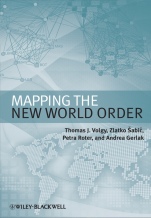
Mapping the New World Order
ISBN 9781405169622
Autor: Thomas J. Volgy, Zlatko Šabič, Petra Roter, Andrea K. Gerlak
Wydawca: Wiley
Dostępność: 3-6 tygodni
Cena: 232,05 zł
Przed złożeniem zamówienia prosimy o kontakt mailowy celem potwierdzenia ceny.
ISBN13: |
9781405169622 |
ISBN10: |
1405169621 |
Autor: |
Thomas J. Volgy, Zlatko Šabič, Petra Roter, Andrea K. Gerlak |
Oprawa: |
Paperback |
Rok Wydania: |
2009-07-29 |
Ilość stron: |
296 |
Wymiary: |
230x155 |
Tematy: |
JP |
This groundbreaking study maps out and analyzes the development of a global intergovernmental (IGO) institutional architecture in the post World War II era. The rich network of organizations that emerged from the Cold War is systematically compared with the growing web of organizations of the post–Cold War period and its acceleration through the remainder of the twentieth century. Combining both quantitative and qualitative methodologies, the authors examine the range of reasons why states join intergovernmental organizations and the patterns of participation within these organizations, as well as the consequences of the new architecture for issues as diverse as conflict amelioration, human rights, and cooperation on natural resources.
Ranging over the multifunctional web of global, inter–regional, regional, and sub–regional organizations, this book provides a major contribution to the study of international organization and IGO development.
Spis treści:
Preface.
1. In Search of the Post–Cold War World Order: Questions, Issues, and Perspectives (Thomas J. Volgy, Zlatko Šabič, Petra Roter, Elizabeth Fausett, and Stuart Rodgers).
2. Mapping the Architecture of the New World Order: Continuity and Change in the Constellation of Post–Cold War Formal Intergovernmental Organizations (Thomas J. Volgy, Keith A. Grant, Elizabeth Fausett, and Stuart Rodgers).
3. Accounting for the New World Order of FIGO Architecture and Its Effectiveness (Keith A. Grant, Thomas J. Volgy, Elizabeth Fausett, and Stuart Rodgers).
4. Intergovernmental Organizations and Interstate Conflict: Parsing Out IGO Effects for Conflict in Post–Communist Space (Elizabeth Fausett and Thomas J. Volgy).
5. The Correlates of Cooperative Institutions for International Rivers (Andrea K. Gerlak and Keith A. Grant).
6. Substituting for Democratization: A Comparative A
nalysis of Involvement in Regional Intergovernmental Organizations (Stuart Rogers and Thomas J. Volgy).
7. State Support for Human Rights Treaties (Petra Roter, Anuška Ferligoj and Andrej Mrvar).
8. The Mediterranean As A Region in the Making (Ana Bojinović).
9. Conclusions (Thomas J. Volgy, Zlatko Šabič, Petra Roter, Andrea Gerlak, Elizabeth Fausett, Keith A. Grant, and Stuart Rodgers).
Index.
Nota biograficzna:
Thomas J. Volgy is Professor of Political Science at the University of Arizona, and Executive Director of the International Studies Association. He has previously worked for USAID, USIA, and the National Democratic Institute in Central Asia, Eastern Europe, and Central America, and was recently an Atlantic Fellow.
Zlatko Šabič is Professor of International Relations at the University of Ljubljana and Senior Research Fellow at the Centre of International Relations.
Petra Roter is Assistant Professor of International Relations at the University of Ljubljana and Research Fellow at the Centre of International Relations. She is also GARNET Visiting Fellow at the Centre for the Study of Globalisation and Regionalisation at the University of Warwick.
Andrea K. Gerlak is Director of Academic Development for the International Studies Association and Visiting Professor in the Department of Political Science at the University of Arizona.
Okładka tylna:
This groundbreaking study maps out and analyzes the development of a global intergovernmental (IGO) institutional architecture in the post World War II era. The rich network of organizations that emerged from the Cold War is systematically compared with the growing web of organizations of the post–Cold War period and its acceleration through the remainder of the twentieth century. Combining both quantitative and qualitative methodologies, the authors examine the range of reasons why states join in
tergovernmental organizations and the patterns of participation within these organizations, as well as the consequences of the new architecture for issues as diverse as conflict amelioration, human rights, and cooperation on natural resources.
Ranging over the multifunctional web of global, inter–regional, regional, and sub–regional organizations, this book provides a major contribution to the study of international organization and IGO development.
Koszyk
Książek w koszyku: 0 szt.
Wartość zakupów: 0,00 zł
Informacje


Kontakt
Gambit
Centrum Oprogramowania
i Szkoleń Sp. z o.o.
Al. Pokoju 29b/22-24
31-564 Kraków
Siedziba Księgarni
ul. Kordylewskiego 1
31-542 Kraków
+48 12 410 5991
+48 12 410 5987
+48 12 410 5989
Subskrypcje
Administratorem danych osobowych jest firma Gambit COiS Sp. z o.o. Na podany adres będzie wysyłany wyłącznie biuletyn informacyjny.
Autoryzacja płatności

Informacje na temat autoryzacji płatności poprzez PayU.

© Copyright 2012: GAMBIT COiS Sp. z o.o. Wszelkie prawa zastrzeżone.
Projekt i wykonanie: Alchemia Studio Reklamy