


Wydawcy
Katalog tematyczny
- Archeologia (109)
- Ekonomia, finanse, business (13704)
- Filozofia (1445)
- Historia (3040)
- Języki i językoznawstwo (2356)
- Lifestyle, hobby i rozrywka (475)
- Medycyna (9704)
- Nauki humanistyczne (4)
- Nauki o Ziemi i środowisku (2638)
- Nauki ścisłe (20412)
- Nauki społeczne (8486)
- Edukacja (229)
- Kryminologia, opieka spełeczna (284)
- Obronność (10)
- Polityka (1389)
- Psychologia (777)
- Socjologia (410)
- Społeczeństwo i kultura (187)
- Nauki techniczne (13450)
- Prawo (1696)
- Publikacje informacyjne i interdyscyplinarne (1288)
- Religia i wierzenia (917)
- Technika komputerowa (4067)
- Zdrowie, relacje międzyludzkie i rozwój osobisty (657)





Informacje szczegółowe o książce
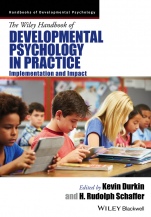
The Wiley Handbook of Developmental Psychology in Practice: Implementation and Impact
ISBN 9781405163361
Autor: Kevin Durkin, H. Rudolph Schaffer
Wydawca: Wiley
Dostępność: 3-6 tygodni
Cena: 718,20 zł
Przed złożeniem zamówienia prosimy o kontakt mailowy celem potwierdzenia ceny.
ISBN13: |
9781405163361 |
ISBN10: |
1405163364 |
Autor: |
Kevin Durkin, H. Rudolph Schaffer |
Oprawa: |
Hardback |
Rok Wydania: |
2016-02-05 |
Ilość stron: |
552 |
Wymiary: |
251x174 |
Tematy: |
JC |
Giving away psychology is a phrase that was coined nearly 40 years ago to draw attention to the fact that psychological research has accumulated a considerable body of knowledge that is potentially useful in the real world and that ought therefore be passed on to practitioners and policy makers. This applies especially to developmental psychology, in that much of what academics have found out could well be of considerable benefit for children and young people and therefore of interest to clinicians, teachers, social workers, family lawyers and governmental and other agencies concerned with health, welfare and educational matters. Increasingly over the last few decades academics have therefore drawn attention to the implications of their work for a wide range of remedial and preventive purposes. Applied Developmental Psychology has now become a discipline in its own right, with a society, journals and postgraduate courses specifically devoted to it. Much of this is in the USA but is to be found in other countries too.
Despite this, however, the giving away process has met with only partial success, in that much potentially useful knowledge has not been implemented. As several writers have pointed out, there is still a considerable schism between what has been learned about development and the implementation of our science. This is a concern that needs to be confronted. One answer to this problem lies in the underlying assumption that giving away is simply a matter of knowledgeable academics passing on their findings to ignorant practitioners, who will then unhesitatingly abandon their previous ways of doing things and adopt whatever new ideas they have been told about. Thus many research reports end up with a section on the implications of the work for intervention, but with no attention given to how the findings can be implemented. However, simply publicizing and, hopefully, communicating research results, is only part of the story; their implementation is another. This too needs to be considered, and it is noteworthy that in the last few years a number of authors have started to draw attention to the importance of also taking into account the particular perspectives of the potential recipients. Recipients, that is, often operate according to different values, rules and priorities from those in which academics operate, and there is growing acknowledgment of the need to learn about and respect this difference.
Accordingly, this handbook will set out to describe and analyse what happens when researchers present professionals in the field (practitioners and policy makers) with the fruits of their studies. Its aim is to investigate both the opportunities and obstacles involved. It highlights the need for researchers not just to stop short at giving an account of potentially useful findings, offering these on a take–or–leave basis, but also to give thought to the task of actually putting research into practice. In particular, it confronts the problems that practitioners face in accepting what may seem to researchers to be the obvious conclusions of their findings.
H. Rudolph Schaffer is Emeritus Professor of Psychology at the University of Strathclyde, Glasgow, and has written extensively on various aspects of child development. His recent publications for Blackwell include Introducing Child Psychology. He is also editor of the journal Social Development.
Kevin Durkin is Professor of Psychology at the University of Strathclyde, having previously held a Chair at the University of Western Australia. He has written a large number of journal articles and books, including the bestselling Blackwell title Developmental Social Psychology. He is editor of First Language journal. His current work is focused on young people and the media, language acquisition and problem behaviour in adolescence.
Koszyk
Książek w koszyku: 0 szt.
Wartość zakupów: 0,00 zł
Informacje


Kontakt
Gambit
Centrum Oprogramowania
i Szkoleń Sp. z o.o.
Al. Pokoju 29b/22-24
31-564 Kraków
Siedziba Księgarni
ul. Kordylewskiego 1
31-542 Kraków
+48 12 410 5991
+48 12 410 5987
+48 12 410 5989
Subskrypcje
Administratorem danych osobowych jest firma Gambit COiS Sp. z o.o. Na podany adres będzie wysyłany wyłącznie biuletyn informacyjny.
Autoryzacja płatności

Informacje na temat autoryzacji płatności poprzez PayU.

© Copyright 2012: GAMBIT COiS Sp. z o.o. Wszelkie prawa zastrzeżone.
Projekt i wykonanie: Alchemia Studio Reklamy