


Wydawcy
Katalog tematyczny
- Archeologia (109)
- Ekonomia, finanse, business (13704)
- Filozofia (1445)
- Historia (3040)
- Języki i językoznawstwo (2356)
- Lifestyle, hobby i rozrywka (475)
- Medycyna (9704)
- Nauki humanistyczne (4)
- Nauki o Ziemi i środowisku (2638)
- Nauki ścisłe (20412)
- Nauki społeczne (8486)
- Nauki techniczne (13450)
- Prawo (1696)
- Publikacje informacyjne i interdyscyplinarne (1288)
- Religia i wierzenia (917)
- Technika komputerowa (4067)
- Zdrowie, relacje międzyludzkie i rozwój osobisty (657)





Informacje szczegółowe o książce
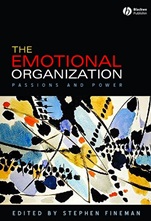
The Emotional Organization: Passions and Power
ISBN 9781405160308
Autor: Stephen Fineman
Wydawca: Wiley
Dostępność: 3-6 tygodni
Cena: 236,25 zł
Przed złożeniem zamówienia prosimy o kontakt mailowy celem potwierdzenia ceny.
ISBN13: |
9781405160308 |
ISBN10: |
1405160306 |
Autor: |
Stephen Fineman |
Oprawa: |
Paperback |
Rok Wydania: |
2007-11-02 |
Ilość stron: |
238 |
Wymiary: |
244x173 |
Tematy: |
KM |
Research on emotion in organizations has blossomed since the early 1990s. Work in this area ranges from an examination of how universal biological, evolutionary, or trait impulses impact emotion, to consideration of the role social learning plays in shaping sentiment.
This landmark collection is exclusively devoted to demonstrating/mapping (what is understood today about the power and structural effects of emotion and identity in organizations). Essays at the leading edge of research reveal the influence of workplace cultures, power, and institutional expectations, while also exploring the negative impacts of emotion management in the workplace.
Stephen Fineman has gathered an international group of cutting–edge researchers for this collection. The volume makes a significant contribution to the field by highlighting the controversies and voices that bring power and politics out of the shadows, propelling organizational emotion into the post–modern era.
Spis treści:
List of Contributors.
1. Introducing the Emotional Organization: Stephen Fineman (University of Bath).
Part I: Emotional Arenas.
The Hospital.
2. Me, Morphine and Humanity: Experiencing the Emotional Community on Ward 8: Sharon Bolton (The University of Strathclyde).
The Prison.
3.Power, Paradox, Social Support and Prestige: A Critical Approach to Addressing Correctional Officer Burnout: Sarah Tracy (Arizona State University).
Crisis Work.
4. Rape Work: Emotional Dilemmas in Work with Victims: Patricia Yancey Martin, Douglas Schrock, Margaret Leaf and Carmen Von Rohr (Florida State University).
The Recreation Centre.
5. In the Gym: Peer Pressure and Emotion Management Among Co–Workers: Mary Haman and Linda Putman (Texas A&M University).
The Job Centre.
6. Abuse, Violence and Fear on the Front Line: Implications for the Rise of the Enchanting Myth of Customer Sovereignty: Marek Korczynski (Loughborough Univers
ity) and Victoria Bishop (The University of Manchester).
The Call Centre.
7. Enactments of Class and Nationality in Transnational Call Centres: Kiran Mirchandani (University of Toronto).
Web Work.
8. The Gendering of Emotions and Perceived Work Time: Chicks and Geeks at I.com: Nicole L. Kangas and Debra E. Meyerson (Stanford University).
Homeworking.
9. Managing the Boundaries of Telework: Gill Musson (Sheffield University) and Katy Marsh (Newcastle University Business School).
Consultancy.
10. Management Consultancy and Humour in Action and Context: Andrew Sturdy (The University of Warwick), Timothy Clark (Durham University, Robin Fincham (Stirling University) and Karen Handley(Oxford Brookes University).
Part II: Shifting Identities.
11. Becoming a Successful Corporate Character and the Role of Emotion Management: Caroline Hatcher (Queensland University of Technology).
12. Gender and the Emotion Politics of Emotional Intelligence: Stephanie A. Shields (Pennsylvania State University) and Leah R. Warner (Pennsylvania State University).
13. Feeling Out of Place? Towards the Transnationalizations of Emotions: Jeff Hearn (Swedish School of Economics and Business Administration).
14. It’s All Too Beautiful: Emotion and Organization in the Esthetic Economy: Philip Hancock (The University of Warwick) and Melissa Tyler (Loughborough University).
Epilogue: Stephen Fineman (University of Bath).
Index
Nota biograficzna:
Stephen Fineman is a senior professor of Organizational Behavior at the University of Bath’s School of Management. Recognized as the first to be published in the field of emotion in organizations, Fineman has been writing on the topic for over 12 years. His works include two successful editions of Emotion in Organizations, key chapters in The Handbook of Organization Studies, and a critique on emotion research in Academy of Management Review.
Okładka tylna:
Research on emotion in organizations has blossomed since the early 1990s. Work in this area ranges from an examination of how universal biological, evolutionary, or trait impulses impact emotion, to consideration of the role social learning plays in shaping sentiment.
This landmark collection is exclusively devoted to demonstrating/mapping (what is understood today about the power and structural effects of emotion and identity in organizations). Essays at the leading edge of research reveal the influence of workplace cultures, power, and institutional expectations, while also exploring the negative impacts of emotion management in the workplace.
Stephen Fineman has gathered an international group of cutting–edge researchers for this collection. The volume makes a significant contribution to the field by highlighting the controversies and voices that bring power and politics out of the shadows, propelling organizational emotion into the post–modern era.
Koszyk
Książek w koszyku: 0 szt.
Wartość zakupów: 0,00 zł
Informacje


Kontakt
Gambit
Centrum Oprogramowania
i Szkoleń Sp. z o.o.
Al. Pokoju 29b/22-24
31-564 Kraków
Siedziba Księgarni
ul. Kordylewskiego 1
31-542 Kraków
+48 12 410 5991
+48 12 410 5987
+48 12 410 5989
Subskrypcje
Administratorem danych osobowych jest firma Gambit COiS Sp. z o.o. Na podany adres będzie wysyłany wyłącznie biuletyn informacyjny.
Autoryzacja płatności

Informacje na temat autoryzacji płatności poprzez PayU.

© Copyright 2012: GAMBIT COiS Sp. z o.o. Wszelkie prawa zastrzeżone.
Projekt i wykonanie: Alchemia Studio Reklamy