


Wydawcy
Katalog tematyczny
- Archeologia (109)
- Ekonomia, finanse, business (13704)
- Filozofia (1445)
- Historia (3040)
- Języki i językoznawstwo (2356)
- Lifestyle, hobby i rozrywka (475)
- Medycyna (9704)
- Nauki humanistyczne (4)
- Nauki o Ziemi i środowisku (2638)
- Nauki ścisłe (20412)
- Nauki społeczne (8486)
- Nauki techniczne (13450)
- Prawo (1696)
- Publikacje informacyjne i interdyscyplinarne (1288)
- Religia i wierzenia (917)
- Technika komputerowa (4067)
- Zdrowie, relacje międzyludzkie i rozwój osobisty (657)





Informacje szczegółowe o książce
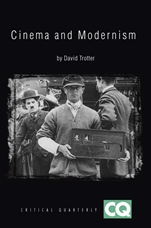
Cinema and Modernism
ISBN 9781405159821
Autor: David Trotter
Wydawca: Wiley
Dostępność: 3-6 tygodni
Cena: 150,15 zł
Przed złożeniem zamówienia prosimy o kontakt mailowy celem potwierdzenia ceny.
ISBN13: |
9781405159821 |
ISBN10: |
1405159820 |
Autor: |
David Trotter |
Oprawa: |
Paperback |
Rok Wydania: |
2007-01-03 |
Ilość stron: |
218 |
Wymiary: |
229x152 |
Tematy: |
AB |
This study revolutionises our understanding of both literary modernism and early cinema. Trotter draws on the most recent scholarship in English and film studies to demonstrate how central cinema as a recording medium was to Joyce, Eliot and Woolf, and how modernist were the concerns of Chaplin and Griffith. This book rewrites the cultural history of the early twentieth century, showing how film technology and modernist aesthetics combined to explore the limits of the human.
Introduction. Chapter 1. The literature of cinema. Chapter 2. D.W. Griffith. Chapter 3. James Joyce and the Automatism of the Photographic Image. Chapter 4. T.S. Eliot. Chapter 5. Virginia Woolf. Chapter 6. Charlie Chaplin.
David Trotter is King Edward VII Professor of English Literature at the University of Cambridge, and a Fellow of the British Academy. He has written widely about British and American literature of the nineteenth and twentieth centuries, including, most recently, the fiction of George Eliot, and aspects of literary Naturalism. The focus of his current research is the history and theory of film. He co–founded the Cambridge Screen Media Group, and is director of its M.Phil. programme in Screen Media and Cultures.
"The great success of Cinema and Modernism derives from the author′s constant methodological insistence on how cinema and literature matter for each other in modernism, and his methodology demands that he deal rigorously with both film and literature on their own terms and as mutually constitutive in their will–to–automatism. " ( James Joyce Quarterly , Summer 2008) “Trotter conducts his enquiry with admirable historical rigor, rightly castigating approaches which have proved anachronistic in relation to the film–making of the period. He also wisely avoids simplistic models of causality and influence, in favor of subtler aesthetic ‘convergences’ and ‘parallelism’. This grounds his case for interdependency: that we can’t fully understand cinema without literary Modernism, and vice–versa.” ( The Review of English Studies , April 2009)
Koszyk
Książek w koszyku: 0 szt.
Wartość zakupów: 0,00 zł
Informacje


Kontakt
Gambit
Centrum Oprogramowania
i Szkoleń Sp. z o.o.
Al. Pokoju 29b/22-24
31-564 Kraków
Siedziba Księgarni
ul. Kordylewskiego 1
31-542 Kraków
+48 12 410 5991
+48 12 410 5987
+48 12 410 5989
Subskrypcje
Administratorem danych osobowych jest firma Gambit COiS Sp. z o.o. Na podany adres będzie wysyłany wyłącznie biuletyn informacyjny.
Autoryzacja płatności

Informacje na temat autoryzacji płatności poprzez PayU.

© Copyright 2012: GAMBIT COiS Sp. z o.o. Wszelkie prawa zastrzeżone.
Projekt i wykonanie: Alchemia Studio Reklamy