


Wydawcy
Katalog tematyczny
- Archeologia (109)
- Ekonomia, finanse, business (13704)
- Filozofia (1445)
- Historia (3040)
- Języki i językoznawstwo (2356)
- Lifestyle, hobby i rozrywka (475)
- Medycyna (9704)
- Chirurgia (272)
- Inne gałęzie medycyny (1871)
- Medycyna kliniczna (4187)
- Medycyna niekonwencjonalna (14)
- Medycyna przedkliniczna (269)
- Medycyna, ogólnie (1740)
- Historia medycyny (3)
- Lekarze, sprawy zawodowe (8)
- Medycyna, aspekty prawne (10)
- Służba zdrowia (36)
- Wyposażenie medyczne (157)
- Zdrowie publiczne (460)
- Medyczne służby pomocnicze (745)
- Studia medyczne (16)
- Weterynaria (548)
- Nauki humanistyczne (4)
- Nauki o Ziemi i środowisku (2638)
- Nauki ścisłe (20412)
- Nauki społeczne (8486)
- Nauki techniczne (13450)
- Prawo (1696)
- Publikacje informacyjne i interdyscyplinarne (1288)
- Religia i wierzenia (917)
- Technika komputerowa (4067)
- Zdrowie, relacje międzyludzkie i rozwój osobisty (657)





Informacje szczegółowe o książce
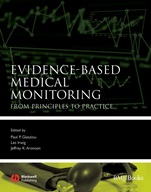
Evidence–Based Medical Monitoring: From Principles to Practice
ISBN 9781405153997
Autor: Paul P. Glasziou, Les Irwig, Jeffrey K. Aronson
Wydawca: Wiley
Dostępność: 3-6 tygodni
Cena: 499,80 zł
Przed złożeniem zamówienia prosimy o kontakt mailowy celem potwierdzenia ceny.
ISBN13: |
9781405153997 |
ISBN10: |
1405153997 |
Autor: |
Paul P. Glasziou, Les Irwig, Jeffrey K. Aronson |
Oprawa: |
Paperback |
Rok Wydania: |
2008-01-09 |
Ilość stron: |
376 |
Wymiary: |
228x152 |
Tematy: |
MB |
Monitoring is a major component of management of chronic diseases such as diabetes, cardiovascular disease, arthritis and depression. Yet poor monitoring means healthcare costs are rising.
This book discusses how monitoring principles adopted in other spheres such as clinical pharmacology and evidence–based medicine can be applied to chronic disease in the global setting. With contributions from leading experts in evidence–based medicine, it will be a ground–breaking text for all involved in delivery of better and more effective management of chronic illnesses.
Spis treści:
Contributors.
Part 1 The Theory of Monitoring.
INTRODUCTORY MATERIAL.
1 An introduction to monitoring therapeutic interventions in clinical practice (Paul P. Glasziou, University of Oxford; Jeffrey K. Aronson, University of Oxford).
2 A framework for developing and evaluating a monitoring strategy (David Mant, University of Oxford).
THE MEASUREMENT.
3 Developing monitoring tools: integrating the pathophysiology of disease and the mechanisms of action of therapeutic interventions (Jeffrey K. Aronson, University of Oxford; Susan Michie, University College London).
4 Biomarkers and surrogate endpoints in monitoring therapeutic interventions (Jeffrey K. Aronson, University of Oxford).
5 Choosing the best monitoring tests (Les Irwig, University of Sydney; Paul P. Glasziou, University of Oxford).
THE CONTROL PHASES.
6 Monitoring the initial response to treatment (Katy Bell, University of Sydney; Jonathan Craig, University of Sydney; Les Irwig, University of Sydney).
7 Control charts and control limits in long–term monitoring (Petra Macaskill, University of Sydney).
8 Developing a monitoring schedule: frequency of measurement (Andrew J. Farmer, University of Oxford).
9 How should we adjust treatment? (Paul P. Glasziou, University of Oxford).
THE PSYCHOLOGY OF MONITORING.
10 M
onitoring as a learning and motivational tool (Susan Michie, University College London; Kirsten McCaffery, University of Sydney); Carl Heneghan, University of Oxford).
11 Monitoring from the patient′s perspective: the social and psychological implications (Kirsten McCaffery, University of Sydney; Susan Michie, University College London).
THE EVALUATION OF MONITORING TECHNIQUES.
12 Evaluating the effectiveness and costs of monitoring (Patrick M.M. Bossuyt, University of Amsterdam).
13 Good practice in delivering laboratory monitoring (W. Stuart A. Smellie, Bishop Auckland Hospital, County Durham).
14 Point–of–care testing in monitoring (Christopher P. Price, University of Oxford).
15 Monitoring for the adverse effects of drugs (Jamie J. Coleman, Queen Elizabeth Hospital, Birmingham; Robin E. Ferner, City Hospital, Birmingham; Jeffrey K. Aronson, University of Oxford).
Part 2 The Practice of Monitoring.
16 Monitoring diabetes mellitus across the lifetime of illness (Andrew J. Farmer, University of Oxford).
17 Oral anticoagulation therapy (OAT) (Carl Heneghan, University of Oxford; Rafael Perera, University of Oxford).
18 Monitoring cholesterol–modifying interventions (Paul P. Glasziou, University of Oxford; Les Irwig, University of Sydney; Stephane Heritier, (University of Sydney).
19 Monitoring levothyroxine replacement in primary hypothyroidism (Andrea Rita Horvath, University of Szeged).
20 Monitoring in renal transplantation (Nicholas B. Cross, University of Sydney; Jonathan Craig, University of Sydney).
21 Monitoring in pre–eclampsia (Pisake Lumbiganon, Khon Kaen University; Malinee Laopaiboon, Khon Kaen University).
22 Monitoring in intensive care (Jan M. Binnekade, University of Amsterdam; Patrick M.M. Bossuyt, University of Amsterdam).
23 Monitoring intraocular pressure in glaucoma (Les Irwig, University of Sydney; Paul R. Healey, University of Sydney; Jefferson D’A
ssunşăo, University of Sydney; Petra Macaskill, University of Sydney).
24 Monitoring in osteoarthritis (George Peat, Keele University; Mark Porcheret, Keele University; John Bedson, Keele University; Alison M. Ward, University of Oxford).
Index.
Nota biograficzna:
Professor Paul Glasziou, University of Oxford, Department of Primary Health Care and Director of the Centre for Evidence–based Medicine, Oxford. Paul is a leading figure in evidence–based medicine. He teaches courses and organises workshops both at the Centre in Oxford and the other centres around the world (eg McMaster, Bond University– Australia).
Les Irwig, Professor in the School of Public Health, University of Sydney He teaches courses on diagnostic test assessment, meta–analysis and guideline development, and advanced epidemiological methods. He is especially interested in the application of epidemiological methods to provide the evidence on which to base public health and clinical decisions.
Dr Jeffery Aronson, Clinical Reader in Pharmacology, University of Oxford, UK.
Okładka tylna:
Monitoring is a major component of management of chronic diseases such as diabetes, cardiovascular disease, arthritis and depression. Yet poor monitoring means healthcare costs are rising.
This book discusses how monitoring principles adopted in other spheres such as clinical pharmacology and evidence–based medicine can be applied to chronic disease in the global setting. With contributions from leading experts in evidence–based medicine, it will be a ground–breaking text for all involved in delivery of better and more effective management of chronic illnesses.
Koszyk
Książek w koszyku: 0 szt.
Wartość zakupów: 0,00 zł
Informacje


Kontakt
Gambit
Centrum Oprogramowania
i Szkoleń Sp. z o.o.
Al. Pokoju 29b/22-24
31-564 Kraków
Siedziba Księgarni
ul. Kordylewskiego 1
31-542 Kraków
+48 12 410 5991
+48 12 410 5987
+48 12 410 5989
Subskrypcje
Administratorem danych osobowych jest firma Gambit COiS Sp. z o.o. Na podany adres będzie wysyłany wyłącznie biuletyn informacyjny.
Autoryzacja płatności

Informacje na temat autoryzacji płatności poprzez PayU.

© Copyright 2012: GAMBIT COiS Sp. z o.o. Wszelkie prawa zastrzeżone.
Projekt i wykonanie: Alchemia Studio Reklamy