


Wydawcy
Katalog tematyczny
- Archeologia (109)
- Ekonomia, finanse, business (13704)
- Filozofia (1445)
- Historia (3040)
- Języki i językoznawstwo (2356)
- Lifestyle, hobby i rozrywka (475)
- Medycyna (9704)
- Nauki humanistyczne (4)
- Nauki o Ziemi i środowisku (2638)
- Nauki ścisłe (20412)
- Nauki społeczne (8486)
- Nauki techniczne (13450)
- Budownictwo lądowe (1045)
- Budownictwo komunikacyjne (9)
- Hydraulika (33)
- Konstrukcje budowlane (95)
- Mechanika konstrukcji (182)
- Przemysł budowlany (7)
- Chemia przemysłowa (2258)
- Elektronika i telekomunikacja (3287)
- Energetyka (1122)
- Inne nauki stosowane (363)
- Inżynieria biochemiczna (507)
- Inżynieria transportu (232)
- Mechanika i materiały (3316)
- Nauka o środowisku (321)
- Rolnictwo (507)
- Technika, ogólnie (475)
- Prawo (1696)
- Publikacje informacyjne i interdyscyplinarne (1288)
- Religia i wierzenia (917)
- Technika komputerowa (4067)
- Zdrowie, relacje międzyludzkie i rozwój osobisty (657)





Informacje szczegółowe o książce
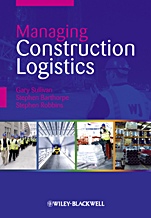
Managing Construction Logistics
ISBN 9781405151245
Autor: Gary Sullivan, Stephen Barthorpe, Stephen Robbins
Wydawca: Wiley
Dostępność: 3-6 tygodni
Cena: 369,60 zł
Przed złożeniem zamówienia prosimy o kontakt mailowy celem potwierdzenia ceny.
ISBN13: |
9781405151245 |
ISBN10: |
1405151242 |
Autor: |
Gary Sullivan, Stephen Barthorpe, Stephen Robbins |
Oprawa: |
Paperback |
Rok Wydania: |
2010-07-09 |
Ilość stron: |
304 |
Wymiary: |
244x172 |
Tematy: |
TN |
I believe that constructors ignore this book at their peril. These techniques will soon be core to every construction business. The only question for industry decision–makers is to decide whether they want to get ahead of the curve by changing now, or wait until a streamlined and competitive industry forces them to adapt just to remain viable. As a client, I know what I′d recommend."
—Peter Rogers OBE, Chairman of the Green Building Council
Poor logistics is costing the construction industry at least £3 billion a year. Additional costs arise as a result of operatives waiting for materials, and skilled craftsmen being used for unskilled jobs. Inadequate management of logistics also has an adverse effect on quality, causes delays to projects, and adds to the health and safety risks on site.
Every major industry except construction uses logistics to improve its bottom line.
This practical, clear and accessible book highlights the benefits of good logistics in construction as well explaining the use of consolidation centres for projects. It shows how reduction in transport movements, less money tied up in stock, less waste, and the more efficient use of skilled craftsmen will reduce the cost of projects, reduce construction time, improve quality, reduce risks to health and safety, improve environmental performance and generally improve the image of the industry.
The authors – industry–recognized logistics experts – offer tried–and–tested ways of achieving these benefits through integrated project teams and supply chains, and the increased adoption of information technology.
Managing Construction Logistics includes a wide range of lively and detailed case studies – from Terminal 5 to the Tate Gallery – showing how good logistics tackles the ′hot potato′ issues within the construction industry: efficient use of labour; sustainability; waste and supply chai
n management.
Spis treści:
PART ONE.
Introduction.
Overview of the current ′adhoc′ and inefficient construction industry methods.
Origins, definitions and development of logistics.
Reference to seminal reports that urge a coherent logistics strategy.
PART TWO.
1. Overview of construction–specific logistics.
Material and equipment delivery.
Waste management.
Emergency services liaison.
Public and community liaison.
Traffic management.
Security.
Welfare, accommodation, catering, medical support etc.
2. Dedicated Logistics Team concept.
Multi–skilled, multi–tasking logistics operatives and management.
Training and development requirements.
PART THREE.
1. Consolidation Centre Concept.
Retail / Manufacturing sector origins.
Construction sector application.
CC types; (single–project CC, multi–project CC, multi–client/contractor CC).
CC triple bottom line benefits; (environmental, social and economical).
2. Consolidation Centre case study examples.
Heathrow.
City of London (Unilever).
Nota biograficzna:
Gary Sullivan is co–founder of Wilson James Ltd, which provides a range of support services to industry, commerce and government. Planning and delivering logistics and security solutions for large or complex projects, consolidation centres and strategic infrastructure installations.
Stephen Barthorpe is the Corporate Responsibility Manager for MITIE Group PLC, a major strategic outsourcing and asset management company. He is responsible for implementing the Group′s Corporate Responsibility strategy throughout the UK.
Stephen Robbins works at Laing O′Rourke Plc, as Off–Site Production Manager where he utilises his knowledge in the development and implementation of logistics strategies for a number of challenging proj
ects, both at tender and at contract stage.
Okładka tylna:
"I believe that constructors ignore this book at their peril. These techniques will soon be core to every construction business. The only question for industry decision–makers is to decide whether they want to get ahead of the curve by changing now, or wait until a streamlined and competitive industry forces them to adapt just to remain viable. As a client, I know what I′d recommend."
—Peter Rogers OBE, Chairman of the Green Building Council
Poor logistics is costing the construction industry at least £3 billion a year. Additional costs arise as a result of operatives waiting for materials, and skilled craftsmen being used for unskilled jobs. Inadequate management of logistics also has an adverse effect on quality, causes delays to projects, and adds to the health and safety risks on site.
Every major industry except construction uses logistics to improve its bottom line.
This practical, clear and accessible book highlights the benefits of good logistics in construction as well explaining the use of consolidation centres for projects. It shows how reduction in transport movements, less money tied up in stock, less waste, and the more efficient use of skilled craftsmen will reduce the cost of projects, reduce construction time, improve quality, reduce risks to health and safety, improve environmental performance and generally improve the image of the industry.
The authors – industry–recognized logistics experts – offer tried–and–tested ways of achieving these benefits through integrated project teams and supply chains, and the increased adoption of information technology.
Managing Construction Logistics includes a wide range of lively and detailed case studies – from Terminal 5 to the Tate Gallery – showing how good logistics tackles the ′hot potato′ issues within the cons
truction industry: efficient use of labour; sustainability; waste and supply chain management.
Koszyk
Książek w koszyku: 0 szt.
Wartość zakupów: 0,00 zł
Informacje


Kontakt
Gambit
Centrum Oprogramowania
i Szkoleń Sp. z o.o.
Al. Pokoju 29b/22-24
31-564 Kraków
Siedziba Księgarni
ul. Kordylewskiego 1
31-542 Kraków
+48 12 410 5991
+48 12 410 5987
+48 12 410 5989
Subskrypcje
Administratorem danych osobowych jest firma Gambit COiS Sp. z o.o. Na podany adres będzie wysyłany wyłącznie biuletyn informacyjny.
Autoryzacja płatności

Informacje na temat autoryzacji płatności poprzez PayU.

© Copyright 2012: GAMBIT COiS Sp. z o.o. Wszelkie prawa zastrzeżone.
Projekt i wykonanie: Alchemia Studio Reklamy