


Wydawcy
Katalog tematyczny
- Archeologia (109)
- Ekonomia, finanse, business (13704)
- Filozofia (1445)
- Historia (3040)
- Języki i językoznawstwo (2356)
- Lifestyle, hobby i rozrywka (475)
- Medycyna (9704)
- Nauki humanistyczne (4)
- Nauki o Ziemi i środowisku (2638)
- Nauki ścisłe (20412)
- Nauki społeczne (8486)
- Nauki techniczne (13450)
- Prawo (1696)
- Publikacje informacyjne i interdyscyplinarne (1288)
- Religia i wierzenia (917)
- Technika komputerowa (4067)
- Zdrowie, relacje międzyludzkie i rozwój osobisty (657)





Informacje szczegółowe o książce
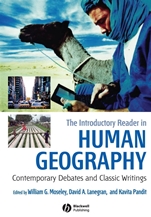
The Introductory Reader in Human Geography: Contemporary Debates and Classic Writings
ISBN 9781405149228
Autor: William G. Moseley, David A. Lanegran, Kavita Pandit
Wydawca: Wiley
Dostępność: 3-6 tygodni
Cena: 219,45 zł
Przed złożeniem zamówienia prosimy o kontakt mailowy celem potwierdzenia ceny.
ISBN13: |
9781405149228 |
ISBN10: |
1405149221 |
Autor: |
William G. Moseley, David A. Lanegran, Kavita Pandit |
Oprawa: |
Paperback |
Rok Wydania: |
2007-05-04 |
Ilość stron: |
486 |
Wymiary: |
242x179 |
Tematy: |
RG |
This reader is a lively and stimulating companion to standard classroom texts in human geography. Featuring a dynamic collection of material, the volume is designed to foster a clear understanding of human geography and its concepts, debates and controversies.
The topics selected are accessible to introductory students, yet enduring in their insights, influential in the development of the discipline, or relevant to contemporary policy debates. The book includes sections on: population and migration; environment; agriculture, and society; cultural geography and place; urban and economic geography; development geography; and political geography. Each chapter contains an introduction by the editors followed by several essays addressing these specific themes.
This engaging and thought–provoking resource is an ideal supplement to any introductory human geography textbook. It can also be used very effectively on its own as an introduction for anyone coming to the subject for the first time.
Spis treści:
Notes on the Editors.
Preface and Acknowledgements.
Introduction: Situating Human Geography.
Part I: Introductory Readings:.
1. “The Four Traditions of Geography”: William D. Pattison.
2. “Geography’s Perspectives”: National Research Council.
3. “Geography and Foreign Policy”: H.J. de Blij.
4. “Reflections of an American Geographer on the Anniversary of September 11th” : William G. Moseley.
5. From How to Lie with Maps: Mark Monmonier.
6. “Every Step You Take, Every Move You Make”: Jerome E. Dobson.
Part II: Population and Migration:.
7. “An Essay on the Principle of Population”: Thomas Robert Malthus.
8. “Population Growth and a Sustainable Environment”: Michael Mortimore and Mary Tiffen.
9. “Population Geography and HIV/AIDS: The Challenge of a Wholly Exceptional Disease”: W.T.S. Goul
d and R.I. Woods.
10. “Interprovincial Migration, Population Redistribution, and Regional Development in China: 1990 and 2000 Census Comparisons”: C. Cindy Fan.
Part III: Environment, Agriculture and Society:.
11. “The Worst Mistake in the History of the Human Race”: Jared Diamond.
12. “The Future of Traditional Agriculture”. Donald Q. Innis.
13. “Geography and the Global Environment”: Diana M.Liverman.
14. “Water Resource Conflicts in the Middle East”: Christine Drake.
15. From Americans and Their Weather: William B. Meyer.
16. “The Trouble with Wilderness; or, Getting Back to the Wrong Nature”: William Cronon.
Part IV: Cultural Geography and Place:.
17. “Minnesota: Nature’s Playground”: David A. Lanegran.
18. “American Microbreweries and Neolocalism: ‘Ale–ing’ for a Sense of Place”: Wes Flack.
19. “Transplanting Pilgrimage Traditions in the Americas”: Carolyn V. Prorok.
20. “Kitchenspace, Fiestas, and Cultural Reproduction in Mexican House–Lot Gardens”: Maria Elisa Christie.
Part V: Urban Geography:.
21. “Greenville: From Back Country to Forefront”: Eugene A. Kennedy.
22. “Ethnic Residential Concentrations in United States Metropolitan Areas”: James P. Allen and Eugene Turner.
23. “South Africa’s National Housing Subsidy Program and Apartheid’s Urban Legacy”: Kimberly Lanegran and David Lanegran.
24. “World–City Network: A New Metageography?”: Jonathan V. Beaverstock, Richard G. Smith, and Peter J. Taylor.
Part VI: Economic Geography:.
25. “Geographies of Knowledge, Practices of Globalization: Learning from the Oil Exploration and Production Industry”: Gavin Bridge and Andrew Wood.
26. “The Impact of Containerization on Work on the New YorkR
11;New Jersey Waterfront”: Andrew Herod.
27. “Wine, Spirits and Beer: World Patterns of Consumption”: David Grigg.
28. “Producing and Consuming Chemicals: The Moral Economy of the American Lawn”: Paul Robbins and Julie T. Sharp.
29. “Women at Work”: Mona Domosh and Joni Seager.
Part VII: The Geography of Development and Underdevelopment:.
30. “The Re–scaling of Uneven Development in Ghana and India”: Richard Grant and Jan Nijman.
31. “Development Alternatives: Practice, Dilemmas and Theory”: A.J. Bebbington and D.H. Bebbington.
32. “Rural Development in El Hatillo, Nicaragua: Gender, Neoliberalism and Environmental Risk”: Julie Cupples.
33. “The Sahel of West Africa: A Place for Geographers?”: Simon Batterbury.
34. “Geography, Culture and Prosperity”: Andres Oppenheimer.
Part VIII: Political Geography:.
34. “Revisiting the ‘pivot’: the influence of Halford Mackinder on analysis of Uzbekistan’s international relations”: Nick Megoran.
35. “Euroregions in Comparative Perspective: Differential Implications for Europe’s Borderlands”: Joanna M.M. Kepka and Alexander B. Murphy.
36. “The End of Public Space? People’s Park, Definitions of the Public, and Democracy”: Don Mitchell.
Index
Nota biograficzna:
William G. Moseley is Associate Professor of Geography at Macalester College.
David A. Lanegran is Professor of Geography at Macalester College.
Kavita Pandit is Professor of Geography at the University of Georgia.
Okładka tylna:
This reader is a lively and stimulating companion to standard classroom texts in human geography. Featuring a dynamic collection of material, the volume is designed to foster a clear understanding of human geography and its concepts, debates and controversie
s.
The topics selected are accessible to introductory students, yet enduring in their insights, influential in the development of the discipline, or relevant to contemporary policy debates. The book includes sections on: population and migration; environment; agriculture, and society; cultural geography and place; urban and economic geography; development geography; and political geography. Each chapter contains an introduction by the editors followed by several essays addressing these specific themes.
This engaging and thought–provoking resource is an ideal supplement to any introductory human geography textbook. It can also be used very effectively on its own as an introduction for anyone coming to the subject for the first time.
Koszyk
Książek w koszyku: 0 szt.
Wartość zakupów: 0,00 zł
Informacje


Kontakt
Gambit
Centrum Oprogramowania
i Szkoleń Sp. z o.o.
Al. Pokoju 29b/22-24
31-564 Kraków
Siedziba Księgarni
ul. Kordylewskiego 1
31-542 Kraków
+48 12 410 5991
+48 12 410 5987
+48 12 410 5989
Subskrypcje
Administratorem danych osobowych jest firma Gambit COiS Sp. z o.o. Na podany adres będzie wysyłany wyłącznie biuletyn informacyjny.
Autoryzacja płatności

Informacje na temat autoryzacji płatności poprzez PayU.

© Copyright 2012: GAMBIT COiS Sp. z o.o. Wszelkie prawa zastrzeżone.
Projekt i wykonanie: Alchemia Studio Reklamy