


Wydawcy
Katalog tematyczny
- Archeologia (109)
- Ekonomia, finanse, business (13704)
- Filozofia (1445)
- Historia (3040)
- Języki i językoznawstwo (2356)
- Lifestyle, hobby i rozrywka (475)
- Medycyna (9704)
- Nauki humanistyczne (4)
- Nauki o Ziemi i środowisku (2638)
- Nauki ścisłe (20412)
- Astronomia (294)
- Biologia (5119)
- Biochemia (575)
- Biologia człowieka (14)
- Biologia komórkowa (377)
- Biologia molekularna (398)
- Biologia rozwoju (130)
- Biologia, ogólnie (1277)
- Botanika (280)
- Hydrobiologia (92)
- Mikrobiologia (363)
- Mykologia (22)
- Zoologia (303)
- Chemia (6540)
- Fizyka (3309)
- Matematyka (4574)
- Nauki ścisłe, ogólnie (503)
- Nauki społeczne (8486)
- Nauki techniczne (13450)
- Prawo (1696)
- Publikacje informacyjne i interdyscyplinarne (1288)
- Religia i wierzenia (917)
- Technika komputerowa (4067)
- Zdrowie, relacje międzyludzkie i rozwój osobisty (657)





Informacje szczegółowe o książce
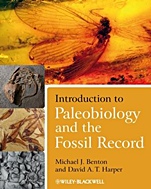
Introduction to Paleobiology and the Fossil Record
ISBN 9781405141574
Autor: Michael J. Benton, David A. T. Harper
Wydawca: Wiley
Dostępność: 3-6 tygodni
Cena: 291,90 zł
Przed złożeniem zamówienia prosimy o kontakt mailowy celem potwierdzenia ceny.
ISBN13: |
9781405141574 |
ISBN10: |
1405141573 |
Autor: |
Michael J. Benton, David A. T. Harper |
Oprawa: |
Paperback |
Rok Wydania: |
2009-01-16 |
Numer Wydania: |
1st Edition |
Ilość stron: |
604 |
Wymiary: |
278x217 |
Tematy: |
PS |
This book presents a comprehensive overview of the science of the history of life. Paleobiologists bring many analytical tools to bear in interpreting the fossil record and the book introduces the latest techniques, from multivariate investigations of biogeography and biostratigraphy to engineering analysis of dinosaur skulls, and from homeobox genes to cladistics.
All the well–known fossil groups are included, including microfossils and invertebrates, but an important feature is the thorough coverage of plants, vertebrates and trace fossils together with discussion of the origins of both life and the metazoans. All key related subjects are introduced, such as systematics, ecology, evolution and development, stratigraphy and their roles in understanding where life came from and how it evolved and diversified.
Unique features of the book are the numerous case studies from current research that lead students to the primary literature, analytical and mathematical explanations and tools, together with associated problem sets and practical schedules for instructors and students.
This book will be essential reading for undergraduates studying paleontology or Paleobiology in earth or biological science degree courses worldwide.
Spis treści:
Preface.
1. Paleontology as a science.
Paleontology in the modern world.
Paleontology as a science.
Steps to understanding.
Fossils and evolution.
Paleontology today.
Review questions.
References.
Further reading.
2. Fossils in time and space.
Frameworks.
On the ground: lithostratigraphy.
Use of fossils: discovery of biostratigraphy.
Paleobiogeography.
Fossils in fold belts.
Review questions.
References.
Further reading.
3. Taphonomy and the quality of the fossil record.
Fossil preservation.
Quality of the fossil record.
Review questions.
References.
Further reading.
4. Paleoecology and paleoclimates.
Paleoecology.
Paleoclimates.
Review questions.
References.
Further reading.
5. Macroevolution and the tree of life.
Evolution by natural selection.
Evolution and the fossil record.
The tree of life.
Review questions.
References.
Further reading.
6. Fossil form and function.
Growth and form.
Evolution and development.
Interpreting the function of fossils.
Review questions.
References.
Further reading.
7. Mass extinctions and biodiversity loss.
Mass extinctions.
The “big five” mass extinction events.
Extinction then and now.
Review questions.
References.
Further reading.
8. The origin of life.
The origin of life.
Evidence for the origin of life.
Life diversifies: eukaryotes.
Review questions.
References.
Further reading.
9. Protists.
Protista: introduction.
Eukaryotes arrive center stage.
Protozoa.
Chromista.
Review questions.
References.
Further reading.
10. Origin of the metazoans.
Origins and classification.
Four key faunas.
Soft–bodied invertebrates.
Review questions.
References.
Further reading.
11. The basal metazoans: sponges and corals.
Porifera.
Cnidaria.
Review questions.
References.
Further reading.
12. Spiralians 1: lophophorates.
Brachiopoda.
Bryozoa.
Review questions.
Further reading.
References.
13. Spiralians 2: mollusks.
Mollusks: introduction.
Early mollusks.
Class Bivalvia.
Class Gastropoda.
Class Cephalopoda.
Class Scaphopoda.
Class Rostroconcha.
Evolutionary trends within the Mollusca.
Review questions.
References.
Further reading.
14. Ecdysozoa: arthropods.
Arthropods: introduction.
Early arthropod faunas.
Subphylum Trilobitomorpha.
Subphylum Chelicerata.
Subphylum Myriapoda.
Subphylum Hexapoda.
Subphylum Crustacea.
Review questions.
References.
Further reading.
15. Deuterostomes: echinoderms and hemichordates.
Echinoderms.
Hemichordates.
Review questions.
References.
Further reading.
16. Fishes and basal tetrapods.
Origin of the vertebrates.
Jaws and fish evolution.
Tetrapods.
Reign of the reptiles.
Review questions.
References.
Further reading.
17. Dinosaurs and mammals.
Dinosaurs and their kin.
Bird evolution.
Rise of the mammals.
The line to humans.
Review questions.
References.
Further reading.
18. Fossil plants.
Terrestrialization of plants.
The great coal forests.
Seed–bearing plants.
Flowering plants.
Review questions.
References.
Further reading.
19. Trace fossils.
Understanding trace fossils.
Trace fossils in sediments.
Review questions.
References.
Further reading.
20. Diversification of life.
The diversification of life.
Trends and radiations.
Ten major steps.
Review questions.
References.
Further reading.
Glossary.
Appendix 1: Stratigraphic chart.
Appendix 2: Paleogeographic maps.
Index
Nota biograficzna:
Michael J. Benton is Professor of Vertebrate Palaeontology at the University of Bristol. He is interested particularly in early reptiles, Triassic dinosaurs and macroevolution, and has published 50 books and 160 scientific articles.
David Harper is a leading expert on fossil brachiopods and numerical methods in palaeontology. He is Professor of Palaeontology in the University of Copenhagen, where he is currently Head of Geology in the Natural History Museum of Denmark. He has published over 10 books and monographs, including a couple of influential textbooks, as well as over 250 scientific articles and, together with Øyvind Hammer, the widely–used software package PAST. His time is divided between collection management, exhibi
tion work, research and some teaching.
Okładka tylna:
This book presents a comprehensive overview of the science of the history of life. Paleobiologists bring many analytical tools to bear in interpreting the fossil record and the book introduces the latest techniques, from multivariate investigations of biogeography and biostratigraphy to engineering analysis of dinosaur skulls, and from homeobox genes to cladistics.
All the well–known fossil groups are included, including microfossils and invertebrates, but an important feature is the thorough coverage of plants, vertebrates and trace fossils together with discussion of the origins of both life and the metazoans. All key related subjects are introduced, such as systematics, ecology, evolution and development, stratigraphy and their roles in understanding where life came from and how it evolved and diversified.
Unique features of the book are the numerous case studies from current research that lead students to the primary literature, analytical and mathematical explanations and tools, together with associated problem sets and practical schedules for instructors and students.
This book will be essential reading for undergraduates studying paleontology or Paleobiology in earth or biological science degree courses worldwide.
Koszyk
Książek w koszyku: 0 szt.
Wartość zakupów: 0,00 zł
Informacje


Kontakt
Gambit
Centrum Oprogramowania
i Szkoleń Sp. z o.o.
Al. Pokoju 29b/22-24
31-564 Kraków
Siedziba Księgarni
ul. Kordylewskiego 1
31-542 Kraków
+48 12 410 5991
+48 12 410 5987
+48 12 410 5989
Subskrypcje
Administratorem danych osobowych jest firma Gambit COiS Sp. z o.o. Na podany adres będzie wysyłany wyłącznie biuletyn informacyjny.
Autoryzacja płatności

Informacje na temat autoryzacji płatności poprzez PayU.

© Copyright 2012: GAMBIT COiS Sp. z o.o. Wszelkie prawa zastrzeżone.
Projekt i wykonanie: Alchemia Studio Reklamy