


Wydawcy
Katalog tematyczny
- Archeologia (109)
- Ekonomia, finanse, business (13704)
- Filozofia (1445)
- Historia (3040)
- Języki i językoznawstwo (2356)
- Lifestyle, hobby i rozrywka (475)
- Medycyna (9704)
- Nauki humanistyczne (4)
- Nauki o Ziemi i środowisku (2638)
- Nauki ścisłe (20412)
- Nauki społeczne (8486)
- Edukacja (229)
- Kryminologia, opieka spełeczna (284)
- Obronność (10)
- Polityka (1389)
- Psychologia (777)
- Socjologia (410)
- Społeczeństwo i kultura (187)
- Nauki techniczne (13450)
- Prawo (1696)
- Publikacje informacyjne i interdyscyplinarne (1288)
- Religia i wierzenia (917)
- Technika komputerowa (4067)
- Zdrowie, relacje międzyludzkie i rozwój osobisty (657)





Informacje szczegółowe o książce
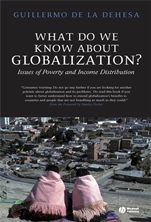
What Do We Know About Globalization?: Issues of Poverty and Income Distribution
ISBN 9781405136693
Autor: Guillermo de la Dehesa
Wydawca: Wiley
Dostępność: 3-6 tygodni
Cena: 226,80 zł
Przed złożeniem zamówienia prosimy o kontakt mailowy celem potwierdzenia ceny.
ISBN13: |
9781405136693 |
ISBN10: |
1405136693 |
Autor: |
Guillermo de la Dehesa |
Oprawa: |
Hardback |
Rok Wydania: |
2007-08-06 |
Ilość stron: |
384 |
Wymiary: |
221x148 |
Tematy: |
JP |
What Do We Know About Globalization: Issues of Poverty and Income Distribution examines the two fundamental arguments that are often raised against globalization: that it produces inequality and that it increases poverty. Here Guillermo de la Dehesa, current Chairman of the Centre for Economic Policy Research (CEPR), demonstrates how, despite popular belief, acceleration of globalization actually stands to reduce the levels of poverty and inequality worldwide, and explains, in detail, the ways in which wealthy nations and developing countries alike have failed to implement changes that would result in a reversal of these social ills. Dehesa dispels the notion of the so–called ′victim of globalization′, and poses the question: could increased technological, economic, and cultural change actually save the world from international income inequality; and by extension, further violence, terrorism, and war?
Spis treści:
Foreword: Stanley Fischer (Bank of Israel).
Introduction.
1. Technical Progress and Economic Prosperity.
2. Technical Progress, Poverty, and Inequality.
3. Growth Reducing Exogenous and Structural Factors.
4. Growth Reducing Endogenous Factors.
5. The World Distribution of Income.
6. Globalization and Inequality.
7. More Developing Countries’ Access to Developed Countries’ Markets.
8. More Foreign Direct Investment to Developing Countries.
9. More Integration of Trade and Finance.
10. More and Better Development Aid.
11. More Migration.
Conclusion.
Bibliography.
Index
Nota biograficzna:
Guillermo de la Dehesa is the Chairman of the Centre for Economic Policy Research. He spent twenty years in various Spanish governmental positions from the late 1960s through to the 1980s. Since leaving the public sector he has held a number of chairman and chief executive positions in the private sector; he is currently Vice Chairman of Goldman S
achs Europe, Independent Director of the Santander Banking Group and of Aviva plc, and Chairman of the Instituto de Empresa Business School. He is a member of the “Group of Thirty,” a non–profit, independent consultative group which counts luminaries such as Mervyn King (Governor of the Bank of England), Larry Summers (former President of Harvard), and Paul Krugman among its ranks. Guillermo de la Dehesa is also the author of Winners and Losers in Globalization (Blackwell, 2006).
Okładka tylna:
What Do We Know About Globalization: Issues of Poverty and Income Distribution examines the two fundamental arguments that are often raised against globalization: that it produces inequality and that it increases poverty. Here Guillermo de la Dehesa, current Chairman of the Centre for Economic Policy Research (CEPR), demonstrates how, despite popular belief, acceleration of globalization actually stands to reduce the levels of poverty and inequality worldwide, and explains, in detail, the ways in which wealthy nations and developing countries alike have failed to implement changes that would result in a reversal of these social ills. Dehesa dispels the notion of the so–called ′victim of globalization′, and poses the question: could increased technological, economic, and cultural change actually save the world from international income inequality; and by extension, further violence, terrorism, and war?
Koszyk
Książek w koszyku: 0 szt.
Wartość zakupów: 0,00 zł
Informacje


Kontakt
Gambit
Centrum Oprogramowania
i Szkoleń Sp. z o.o.
Al. Pokoju 29b/22-24
31-564 Kraków
Siedziba Księgarni
ul. Kordylewskiego 1
31-542 Kraków
+48 12 410 5991
+48 12 410 5987
+48 12 410 5989
Subskrypcje
Administratorem danych osobowych jest firma Gambit COiS Sp. z o.o. Na podany adres będzie wysyłany wyłącznie biuletyn informacyjny.
Autoryzacja płatności

Informacje na temat autoryzacji płatności poprzez PayU.

© Copyright 2012: GAMBIT COiS Sp. z o.o. Wszelkie prawa zastrzeżone.
Projekt i wykonanie: Alchemia Studio Reklamy