


Wydawcy
Katalog tematyczny
- Archeologia (109)
- Ekonomia, finanse, business (13704)
- Filozofia (1445)
- Historia (3040)
- Języki i językoznawstwo (2356)
- Lifestyle, hobby i rozrywka (475)
- Medycyna (9704)
- Nauki humanistyczne (4)
- Nauki o Ziemi i środowisku (2638)
- Nauki ścisłe (20412)
- Nauki społeczne (8486)
- Edukacja (229)
- Kryminologia, opieka spełeczna (284)
- Obronność (10)
- Polityka (1389)
- Psychologia (777)
- Socjologia (410)
- Społeczeństwo i kultura (187)
- Nauki techniczne (13450)
- Prawo (1696)
- Publikacje informacyjne i interdyscyplinarne (1288)
- Religia i wierzenia (917)
- Technika komputerowa (4067)
- Zdrowie, relacje międzyludzkie i rozwój osobisty (657)





Informacje szczegółowe o książce
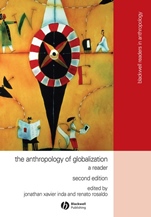
The Anthropology of Globalization: A Reader
ISBN 9781405136136
Autor: Jonathan Xavier Inda, Renato Rosaldo
Wydawca: Wiley
Dostępność: 3-6 tygodni
Cena: 515,55 zł
Przed złożeniem zamówienia prosimy o kontakt mailowy celem potwierdzenia ceny.
ISBN13: |
9781405136136 |
ISBN10: |
1405136138 |
Autor: |
Jonathan Xavier Inda, Renato Rosaldo |
Oprawa: |
Hardback |
Rok Wydania: |
2007-08-09 |
Numer Wydania: |
2nd Edition |
Ilość stron: |
496 |
Wymiary: |
262x185 |
Tematy: |
JB |
The Anthropology of Globalization provides an exciting introduction to global change, focusing simultaneously on the large–scale processes through which various cultures are becoming increasingly interconnected, and on the ways that people around the world mediate these processes in culturally specific ways. This new edition also addresses the limits of global mobility and connection.
Inda and Rosaldo have assembled some of the finest and newest work on globalization published in English by both established and emerging anthropologists, including Arjun Appadurai, Anna Tsing, Aihwa Ong, Didier Fassin, Sally Engle Merry, Tom Boellstorff, Karen Ho, and Andrew Lakoff. Beginning with a revised contribution by the editors, this second edition also includes new readings, helpful section introductions, and recommendations for further reading. Itprovides readers with a valuable resource on local and global processes that both promote and constrain movement and linkage.
Spis treści:
List of Contributors.
Acknowledgments.
Overture: Thinking the Global:.
1. Tracking Global Flows: Jonathan Xavier Inda (University of California, Santa Barbara) and Renato Rosaldo (New York University).
2. Disjuncture and Difference in the Global Cultural Economy: Arjun Appadurai (The New School).
3. The Global Situation: Anna Tsing (University of California, Santa Cruz).
Part I: Itinerant Capital:.
Introduction.
4. Notes on Mayan Youth and Rural Industrialization in Guatemala: Linda Green (University of Arizona).
5. Thai Love Thai: Financing Emotion in Post–crash Thailand: Alan Klima (University of California, Davis).
6. Situating Global Capitalisms: A View from Wall Street Investment Banks: Karen Ho (University of Minnesota, Twin Cities).
Part II: Mobile Subjects:.
Introduction.
7. Cyberpublics and Diaspora Politics among Transnational Chinese: Aihwa Ong (University of California, Berkeley).8. Between Cinema and Social Work: Diasporic Turkish Women and the (Dis)Pleasures of Hybridity: Katherine Pratt Ewing (Duke University).
9. Compassion and Repression: The Moral Economy of Immigration Policies in France: Didier Fassin (École des Hautes Études en Sciences Sociales, Paris).
Part III: Roving Commodities:.
Introduction.
10. Domesticating the French Fry: McDonald′s and Consumerism in Moscow: Melissa L. Caldwell (University of California, Santa Cruz).
11. Copyrighting Che: Art and Authorship under Cuban Late Socialism: Ariana Hernández–Reguant (University of California, San Diego).
12. Diagnostic Liquidity: Mental Illness and the Global Trade in DNA: Andrew Lakoff (University of California, San Diego).
Part IV: Traveling Media:.
Introduction.
13. Dubbing Culture: Indonesian Gay and Lesbi Subjectivities and Ethnography in an Already Globalized World: Tom Boellstorff (University of California, Irvine).
14. Itineraries of Indian Cinema: African Videos, Bollywood, and Global Media: Brian Larkin (Barnard College).
15. The New Digital Media and Activist Networking within Anti–Corporate Globalization Movements: Jeffrey S. Juris (Arizona State University).
Part V: Nomadic Ideologies:.
Introduction.
16. The Female Inheritance Movement in Hong Kong: Theorizing the Local/Global Interface: Sally Engle Merry (New York University) and Rachel E. Stern (University of California, Berkeley).
17. Disorderly Development: Globalization and the Idea of “Culture”: Renée Sylvain (University of Guelph, Ontario, Canada).
18. Politico–moral Transactions in Indian AIDS Service: Confidentiality, Rights, and New Modalities of Governance: Kavita Misra (Yale University).
Index
Nota biograficzna:
Jonathan Xavier Inda is Associate Professor in the Department of Chicana/o Studies at the University of California, Santa Barbara. Among his p
ublications are Targeting Immigrants: Government, Technology, and Ethics (Blackwell, 2006) and the edited volumes Anthropologies of Modernity: Foucault, Governmentality, and Life Politics (Blackwell, 2005) and Race, Identity, and Citizenship (Blackwell, 1999).
Renato Rosaldo is Professor of Anthropology at New York University and Lucie Stern Professor in the Social Sciences Emeritus at Stanford University. He is the author of Culture and Truth (1989) and Ilongot Headhunting, 1883–1974 (1980), and is a fellow of the American Academy of Arts and Sciences.
Okładka tylna:
The Anthropology of Globalization provides an exciting introduction to global change, focusing simultaneously on the large–scale processes through which various cultures are becoming increasingly interconnected, and on the ways that people around the world mediate these processes in culturally specific ways. This new edition also addresses the limits of global mobility and connection.
Inda and Rosaldo have assembled some of the finest and newest work on globalization published in English by both established and emerging anthropologists, including Arjun Appadurai, Anna Tsing, Aihwa Ong, Didier Fassin, Sally Engle Merry, Tom Boellstorff, Karen Ho, and Andrew Lakoff. Beginning with a revised contribution by the editors, this second edition also includes new readings, helpful section introductions, and recommendations for further reading. Itprovides readers with a valuable resource on local and global processes that both promote and constrain movement and linkage.
Koszyk
Książek w koszyku: 0 szt.
Wartość zakupów: 0,00 zł
Informacje


Kontakt
Gambit
Centrum Oprogramowania
i Szkoleń Sp. z o.o.
Al. Pokoju 29b/22-24
31-564 Kraków
Siedziba Księgarni
ul. Kordylewskiego 1
31-542 Kraków
+48 12 410 5991
+48 12 410 5987
+48 12 410 5989
Subskrypcje
Administratorem danych osobowych jest firma Gambit COiS Sp. z o.o. Na podany adres będzie wysyłany wyłącznie biuletyn informacyjny.
Autoryzacja płatności

Informacje na temat autoryzacji płatności poprzez PayU.

© Copyright 2012: GAMBIT COiS Sp. z o.o. Wszelkie prawa zastrzeżone.
Projekt i wykonanie: Alchemia Studio Reklamy