


Wydawcy
Katalog tematyczny
- Archeologia (109)
- Ekonomia, finanse, business (13704)
- Filozofia (1445)
- Historia (3040)
- Języki i językoznawstwo (2356)
- Lifestyle, hobby i rozrywka (475)
- Medycyna (9704)
- Nauki humanistyczne (4)
- Nauki o Ziemi i środowisku (2638)
- Nauki ścisłe (20412)
- Nauki społeczne (8486)
- Edukacja (229)
- Kryminologia, opieka spełeczna (284)
- Obronność (10)
- Polityka (1389)
- Psychologia (777)
- Socjologia (410)
- Społeczeństwo i kultura (187)
- Nauki techniczne (13450)
- Prawo (1696)
- Publikacje informacyjne i interdyscyplinarne (1288)
- Religia i wierzenia (917)
- Technika komputerowa (4067)
- Zdrowie, relacje międzyludzkie i rozwój osobisty (657)





Informacje szczegółowe o książce
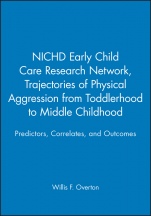
Trajectories of Physical Aggression from Toddlerhood to Middle Childhood: Predictors, Correlates, and Outcomes
ISBN 9781405132824
Autor: Willis F. Overton, William F. Arsenio
Wydawca: Wiley
Dostępność: 3-6 tygodni
Cena: 239,40 zł
Przed złożeniem zamówienia prosimy o kontakt mailowy celem potwierdzenia ceny.
ISBN13: |
9781405132824 |
ISBN10: |
1405132825 |
Autor: |
Willis F. Overton, William F. Arsenio |
Oprawa: |
Paperback |
Rok Wydania: |
2005-01-03 |
Ilość stron: |
156 |
Wymiary: |
228x153 |
Tematy: |
JC |
This Monograph addresses three questions: a) Can distinct trajectories of physical aggression be identified in children from 24 months to third grade? b) Do child and family characteristics and child care experiences predict membership in the trajectory groups? c) Do trajectory groups differ in their levels of academic and social functioning in third grade? Using a person–centered approach and data from the NICHD Study of Early Child Care and Youth Development, five aggression trajectories were identified: very low, low, moderate–steeply declining, moderate–stable, and high–stable. Higher levels of family resources and more sensitive parenting predicted low levels of aggression. Higher sociodemographic risk and less involved parenting predicted higher aggression. Child care experiences were not related systematically to aggression trajectories. In third grade, children on the higher and more stable aggression trajectories were performing more poorly socially and academically. However, aggression that was evident only in the preschool period was not associated with problematic functioning. Children on the two higher aggression trajectories also differed from one another in the type and severity of their problems in third grade.
Spis treści:
Abstract.
I. Introduction.
II. Method and data analysis.
III. Person–Centered Trajectories of Physical Aggression.
IV. Predictors of Aggression Trajectories.
V. Person–Centered Aggression Trajectories and Third Grade Outcomes.
VI. Variable – and Person–Centered Analyses of Physical Aggression Compared.
VII. Discussion.
References.
Acknowledgment.
Commentary.
The Stability of Young Children′s Physical Aggression: Relations With Child Care, Gender, and Aggression Subtypes.
Contributors.
Statement of Editorial Policy.
Okładka tylna:
This Monograph addresses three questions: a) Can distinct trajecto
ries of physical aggression be identified in children from 24 months to third grade? b) Do child and family characteristics and child care experiences predict membership in the trajectory groups? c) Do trajectory groups differ in their levels of academic and social functioning in third grade? Using a person–centered approach and data from the NICHD Study of Early Child Care and Youth Development, five aggression trajectories were identified: very low, low, moderate–steeply declining, moderate–stable, and high–stable. Higher levels of family resources and more sensitive parenting predicted low levels of aggression. Higher sociodemographic risk and less involved parenting predicted higher aggression. Child care experiences were not related systematically to aggression trajectories. In third grade, children on the higher and more stable aggression trajectories were performing more poorly socially and academically. However, aggression that was evident only in the preschool period was not associated with problematic functioning. Children on the two higher aggression trajectories also differed from one another in the type and severity of their problems in third grade.
Koszyk
Książek w koszyku: 0 szt.
Wartość zakupów: 0,00 zł
Informacje


Kontakt
Gambit
Centrum Oprogramowania
i Szkoleń Sp. z o.o.
Al. Pokoju 29b/22-24
31-564 Kraków
Siedziba Księgarni
ul. Kordylewskiego 1
31-542 Kraków
+48 12 410 5991
+48 12 410 5987
+48 12 410 5989
Subskrypcje
Administratorem danych osobowych jest firma Gambit COiS Sp. z o.o. Na podany adres będzie wysyłany wyłącznie biuletyn informacyjny.
Autoryzacja płatności

Informacje na temat autoryzacji płatności poprzez PayU.

© Copyright 2012: GAMBIT COiS Sp. z o.o. Wszelkie prawa zastrzeżone.
Projekt i wykonanie: Alchemia Studio Reklamy