


Wydawcy
Katalog tematyczny
- Archeologia (94)
- Ekonomia, finanse, business (11664)
- Filozofia (1411)
- Historia (2972)
- Języki i językoznawstwo (2311)
- Lifestyle, hobby i rozrywka (411)
- Medycyna (5054)
- Nauki humanistyczne (2)
- Nauki o Ziemi i środowisku (1033)
- Nauki ścisłe (10005)
- Nauki społeczne (6049)
- Nauki techniczne (5313)
- Budownictwo lądowe (678)
- Chemia przemysłowa (127)
- Elektronika i telekomunikacja (2212)
- Energetyka (157)
- Inne nauki stosowane (162)
- Inżynieria biochemiczna (127)
- Inżynieria transportu (2)
- Mechanika i materiały (1610)
- Nauka o środowisku (1)
- Rolnictwo (197)
- Technika, ogólnie (34)
- Prawo (160)
- Publikacje informacyjne i interdyscyplinarne (706)
- Religia i wierzenia (900)
- Technika komputerowa (2101)
- Zdrowie, relacje międzyludzkie i rozwój osobisty (632)





Informacje szczegółowe o książce
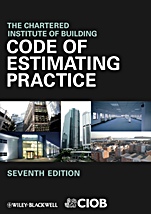
Code of Estimating Practice
ISBN 9781405129718
Autor: The Chartered Institute of Building
Wydawca: Wiley
Dostępność: 3-6 tygodni
Cena: 401,10 zł
Przed złożeniem zamówienia prosimy o kontakt mailowy celem potwierdzenia ceny.
ISBN13: |
9781405129718 |
ISBN10: |
1405129719 |
Autor: |
The Chartered Institute of Building |
Oprawa: |
Paperback |
Rok Wydania: |
2009-06-26 |
Numer Wydania: |
7th Edition |
Ilość stron: |
176 |
Wymiary: |
298x212 |
Tematy: |
Q |
This code of practice was first published in 1966, and over many years of effective use has established itself as a leading publication for the construction industry, providing an authoritative guide to the essential principles and good practice in estimating for building work.
The seventh edition of the code has been completely re–structured and rewritten to reflect the changing pressures on the pre–construction and estimating process. It includes new material on estimating strategy, procedures and best practice in different procurement situations, supply chain management, risk identification, e–tendering, as well as the build–up of unit rates of cost, and overheads and profit. The standard forms and checklists, for which the previous edition was renowned, have been retained.
The Code of Estimating Practice continues the excellent work of previous editions, responding to current trends and providing a guide to best practice as observed by the team of contributors.
Published in conjunction with the Chartered Institute of Building, the book has been endorsed by a broad range of industry bodies.
Spis treści:
1.0 Introduction; 1.1 Principles – including flow charts (including risk management0. current charts are process–oriented – these should be incorporated into Process Section; 1.2 Processes; 1.3 Contract Types – diagrammatic presentation of contract formats to distinguish between types, application and use; 2.0 Project appreciation; 2.1 Initial Review (24 hr overview of tendering, checking validity and decisions to tender – pre–qualification process).
2.2 Design Review (packaging job and gap analysis, Q&A exercises); 2.3 Site Investigation; 2.4 Clients requirements (method statements, CDM Regulations, selection criteria); 2.5 Project planning and programming (tender programme); 3.0 Procurement; 3.1 External Planning (engaging consultants); 3.2 Internal Planning (d
esign & build, confidentiality re: bill sharing and breaches of tendering regulations); 4.0 Cost estimate; Planning; Preliminaries; Unit rates; Sub–contract prices; Project overheads; Provisional sums; Contractor design; Other approaches – Operational estimating – Analytical estimating; Compliance – Technical – Commercial; 5.0 Tender settlement; Estimators report and risks associated with this; Settlement – anticipated margin and tender figure; Tender submission – Tender strategy and examples – Non–compliant tenders – Alternative tenders – time/cost method – European Union rules and regulations – Clarifications/Qualifications; 6.0 Post–tender activities; Changes; Handover to delivery team; Period for acceptance of tendering; Feedback on tender results/performance; 7.0 Cost planning; Cost planning; Whole life–cycle cost planning (construction) – sustainability adding; PFI; Approximate quantities/estimating; 8.0 Contractual arrangements; Large projects; D&B – lump sum; Changes to process; Risks (for each contract); Package bids – relating to specialist contractors; Management – cost plus; Hybrid – partnering arrangements; 9.0 E–commerce; E–tendering; Receipt of information; Records; Submissions; Data Protection Act; E–bidding processes
Nota biograficzna:
The Chartered Institute of Building, Ascot, Berkshire.
Okładka tylna:
This code of practice was first published in 1966, and over many years of effective use has established itself as a leading publication for the construction industry, providing an authoritative guide to the essential principles and good practice in estimating for building work.
The seventh edition of the code has been completely re–structured and rewritten to reflect the changing pressures on the pre–construction and estimating process. It incl
udes new material on estimating strategy, procedures and best practice in different procurement situations, supply chain management, risk identification, e–tendering, as well as the build–up of unit rates of cost, and overheads and profit. The standard forms and checklists, for which the previous edition was renowned, have been retained.
The Code of Estimating Practice continues the excellent work of previous editions, responding to current trends and providing a guide to best practice as observed by the team of contributors.
Published in conjunction with the Chartered Institute of Building, the book has been endorsed by a broad range of industry bodies.
Koszyk
Książek w koszyku: 0 szt.
Wartość zakupów: 0,00 zł
Informacje


Kontakt
Gambit
Centrum Oprogramowania
i Szkoleń Sp. z o.o.
Al. Pokoju 29b/22-24
31-564 Kraków
Siedziba Księgarni
ul. Kordylewskiego 1
31-542 Kraków
+48 12 410 5991
+48 12 410 5987
+48 12 410 5989
Subskrypcje
Administratorem danych osobowych jest firma Gambit COiS Sp. z o.o. Na podany adres będzie wysyłany wyłącznie biuletyn informacyjny.
Autoryzacja płatności

Informacje na temat autoryzacji płatności poprzez PayU.

© Copyright 2012: GAMBIT COiS Sp. z o.o. Wszelkie prawa zastrzeżone.
Projekt i wykonanie: Alchemia Studio Reklamy