


Wydawcy
Katalog tematyczny
- Archeologia (109)
- Ekonomia, finanse, business (13704)
- Filozofia (1445)
- Historia (3040)
- Języki i językoznawstwo (2356)
- Lifestyle, hobby i rozrywka (475)
- Medycyna (9704)
- Nauki humanistyczne (4)
- Nauki o Ziemi i środowisku (2638)
- Nauki ścisłe (20412)
- Astronomia (294)
- Biologia (5119)
- Chemia (6540)
- Chemia analityczna (361)
- Chemia fizyczna (346)
- Chemia nieorganiczna (137)
- Chemia organiczna (535)
- Krystalografia (27)
- Minerologia (46)
- Fizyka (3309)
- Matematyka (4574)
- Nauki ścisłe, ogólnie (503)
- Nauki społeczne (8486)
- Nauki techniczne (13450)
- Prawo (1696)
- Publikacje informacyjne i interdyscyplinarne (1288)
- Religia i wierzenia (917)
- Technika komputerowa (4067)
- Zdrowie, relacje międzyludzkie i rozwój osobisty (657)





Informacje szczegółowe o książce
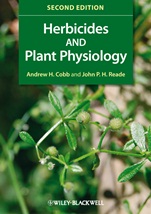
Herbicides and Plant Physiology
ISBN 9781405129350
Autor: Andrew H. Cobb, John P. H. Reade
Wydawca: Wiley
Dostępność: 3-6 tygodni
Cena: 372,75 zł
Przed złożeniem zamówienia prosimy o kontakt mailowy celem potwierdzenia ceny.
ISBN13: |
9781405129350 |
ISBN10: |
1405129352 |
Autor: |
Andrew H. Cobb, John P. H. Reade |
Oprawa: |
Paperback |
Rok Wydania: |
2010-10-08 |
Numer Wydania: |
2nd Edition |
Ilość stron: |
296 |
Wymiary: |
246x179 |
Tematy: |
PN |
Herbicides continue to make a spectacular contribution to modern safe crop production. It is essential to understand how these compounds work in plants and their surroundings to properly facilitate the development of more effective and safer agrochemicals. This book provides that information in a succinct and user–friendly way.
The second edition of this very well–received and highly thought of book has been fully up–dated with much new information of relevance to the subject, particularly in the areas of cell and molecular biology. The book commences with introductory chapters on weed biology and herbicide discovery and development. Following chapters include coverage of herbicides that inhibit photosynthesis and auxin–type herbicides, herbicide resistance and further targets for herbicide development. New chapters cover the inhibitors of lipid biosynthesis, amino acid biosynthesis and cell division.
Spis treści:
1. An Introduction to Weed Biology.
Definitions, Distribution, History, Problems, Benefits, Ideal Weed, Populations and Spectrums, Weed Control, Resistance.
2. Herbicide Discovery and Development.
Markets and Prospects, Search for Novel Herbicides, Mode of Action Studies, Formulation, Application.
3. Herbicides that Inhibit Photosynthesis.
PSI (D), PSII (C), others affecting photosynthesis (pigment biosynthesis, including protox (E), bleaching (F), PDS inhibitors (F1), 4–HPPD inhibitors (F2) – plus Photosynthesis, How Treated Plants Die, Selectivity and Metabolism, Resistance.
4. Auxin–type Herbicides.
Auxin–type herbicides (O), and auxin transport inhibitors (P) – plus Auxins, Recepotors, Signal Transduction, How Treated Plants Die, Selectivity and Metabolism, Resistance.
5. Inhibitors of Lipid Biosynthesis.
Graminicides: inhibitors of lipid biosynthesis (A) and non–accase lipid biosynthesis inhibitors (N) – plus Lipid Function, Bio
synthesis, How Treated Plants Die, Selectivity and Metabolism, Resistance.
6. The Inhibitors of Amino Acid Biosynthesis.
Including EPSP synthase inhibitors (G), glutamine synthetase inhibitors (H) and ALS inhibitors (B) – plus An Overview of Amino Acid Biosynthesis in Plants, How Treated Plants Die, Selectivity and Metabolism, Resistance.
7. Inhibitors of Cell Division.
Including inhibitors of microtubule assembly, organisation and cell division (K) – plus An Overview of Cell Division, How Treated Plants Die, Selectivity and Metabolism, Resistance.
8. The Transfer of Herbicide Resistance to Crops.
Crop breeding, GM production and Utilisation, Methods of Imparting HT, Implications of Release.
9. Further Targets for Herbicide Development.
Inhibitors of Cellulose Biosynthesis (L), Safners, Synergists, Natural Products (and Allelopathy).
I = DHP inhibitors (asulam).
M = membrane uncouplers (dinitrophenols).
Z = unknown
Nota biograficzna:
Andrew Cobb & John Reade
HarperAdamsUniversityCollege, Shropshire, U. K.
Okładka tylna:
Herbicides continue to make a spectacular contribution to modern safe crop production. It is essential to understand how these compounds work in plants and their surroundings to properly facilitate the development of more effective and safer agrochemicals. This book provides that information in a succinct and user–friendly way.
The second edition of this very well–received and highly thought of book has been fully up–dated with much new information of relevance to the subject, particularly in the areas of cell and molecular biology. The book commences with introductory chapters on weed biology and herbicide discovery and development. Following chapters include coverage of herbicides that inhibit photosynthesis and auxin–type herbicides, herbicide resistance and further target
s for herbicide development. New chapters cover the inhibitors of lipid biosynthesis, amino acid biosynthesis and cell division.
Koszyk
Książek w koszyku: 0 szt.
Wartość zakupów: 0,00 zł
Informacje


Kontakt
Gambit
Centrum Oprogramowania
i Szkoleń Sp. z o.o.
Al. Pokoju 29b/22-24
31-564 Kraków
Siedziba Księgarni
ul. Kordylewskiego 1
31-542 Kraków
+48 12 410 5991
+48 12 410 5987
+48 12 410 5989
Subskrypcje
Administratorem danych osobowych jest firma Gambit COiS Sp. z o.o. Na podany adres będzie wysyłany wyłącznie biuletyn informacyjny.
Autoryzacja płatności

Informacje na temat autoryzacji płatności poprzez PayU.

© Copyright 2012: GAMBIT COiS Sp. z o.o. Wszelkie prawa zastrzeżone.
Projekt i wykonanie: Alchemia Studio Reklamy