


Wydawcy
Katalog tematyczny
- Archeologia (109)
- Ekonomia, finanse, business (13704)
- Filozofia (1445)
- Historia (3040)
- Języki i językoznawstwo (2356)
- Lifestyle, hobby i rozrywka (475)
- Medycyna (9704)
- Nauki humanistyczne (4)
- Nauki o Ziemi i środowisku (2638)
- Nauki ścisłe (20412)
- Nauki społeczne (8486)
- Nauki techniczne (13450)
- Prawo (1696)
- Publikacje informacyjne i interdyscyplinarne (1288)
- Religia i wierzenia (917)
- Technika komputerowa (4067)
- Zdrowie, relacje międzyludzkie i rozwój osobisty (657)





Informacje szczegółowe o książce
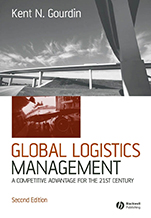
Global Logistics Management: A Competitive Advantage for the 21st Century
ISBN 9781405127134
Autor: Kent Gourdin
Wydawca: Wiley
Dostępność: 3-6 tygodni
Cena: 222,60 zł
Przed złożeniem zamówienia prosimy o kontakt mailowy celem potwierdzenia ceny.
ISBN13: |
9781405127134 |
ISBN10: |
1405127139 |
Autor: |
Kent Gourdin |
Oprawa: |
Paperback |
Rok Wydania: |
2005-12-20 |
Numer Wydania: |
2nd Edition |
Ilość stron: |
344 |
Wymiary: |
252x169 |
Tematy: |
KJ |
As the globalization of trade gathers momentum, competition is becoming progressively more fierce and opportunities for gaining an edge over competitors are increasingly difficult to realize. Global Logistics Management: A Competitive Advantage for the 21st Century investigates the nature of individual logistics activities and demonstrates how they can be interwoven to form integrated systems. It provides both managers and students with the knowledge and skills necessary to turn corporate logistics activities into a source of sustainable competitive advantage.
Written in a clear and straightforward manner, the focus throughout the book is global. Examples of real–world applications of the principles discussed are drawn from organizations in various countries around the world. For the second edition, new cases have been added to reflect recent technological developments and current preoccupations such as security and more effective supply chain management.
Spis treści:
Preface.
1 Introduction to Logistics.
Logistics: The Historical Perspective.
Logistics: The Modern Perspective.
Components of a Logistics System.
The Role of Logistics in the Organization.
Logistics as a Source of Competitive Advantage.
Why Is Management Interest in Logistics Growing?.
Trends in Global Trade.
Customers are Demanding Greater Value.
Transportation Privatization and Liberalization.
Transportation Security.
Environmental Concerns.
Changing View of Inventory.
Continuing Advances in Information Technology.
Electronic Commerce.
Logistics in the Global Organization.
Conceptual Model and Statement of Purpose.
Chapter Summary.
Study Questions.
2 Logistics in the Organization.
Introduction.
The Marketing/Logistics Partnership.
Marketing and Logistics Channels.
Alternative Channel Structures.
Why do Channels Develop?.
Channel Flows.
Designing Effective Channels.
Environmental Issues.
Marketing Issues.
Channel Management Issues.
Formal and Informal Channel Relationships.
Domestic versus Global Channels.
Future Trends in Channel Structures.
Managing the Logistics System.
Tradeoff Analysis.
Enhancing Corporate Profitability with Logistics.
Chapter Summary.
Study Questions.
3 Customer Service.
Introduction.
What Is Customer Service?.
Elements of Customer Service.
Customer Service in a Global Setting.
How Much Service Should Be Offered?.
Barriers to Quality Customer Service.
Controllable Factors.
Uncontrollable Factors.
Improving Customer Service Performance.
The Consequences of Poor Customer Service.
Improving Customer Service in Comparison to its Costs.
Customer Service and the Internal Customer.
Chapter Summary.
Study Questions.
4 Inventory Management.
Introduction.
Inventory and Customer Service.
Purposes of Inventory.
Types of Inventory.
Objectives of Inventory Management.
Inventory Costs.
Managing Inventory Costs.
Classic Inventory Models.
Economic Order Quantity (EOQ) Model.
Modifications to the Basic EOQ Model.
Model Limitations.
Fixed Order Point/Fixed Order Quantity Model.
Fixed Order Interval Model.
Safety Stock Requirements.
Inventory Management: Signs of Trouble.
Improving Inventory Management.
Materials Requirements Planning (MRP).
Distribution Resource Planning (DRP).
Just–In–Time (JIT) Inventory Management.
Basic Tenets of JIT.
Advantages of JIT.
Disadvantages of JIT.
JIT II/Vendor Managed Inventory (VMI).
The Reality of JIT.
Integrated Inventory Management: DRP, MRP, and JIT.
Inventory Management in a Global Market.
Chapter Summary.
Study Questions.
5 Global Transportation Systems.
Introduction.
The Five Modes of Transportation.
Rail.
Road Transport.
Pipelines.
Air.
Water Carriage.
Deregul
ation and Privatization of Transportation.
Deregulation.
Privatization.
Future Directions.
Government′s Role in Transportation.
Direct Control and Regulation of Transport Firms.
Provision of Transport Infrastructure.
Promulgating and Enforcing Environmental, Safety, and Security Laws.
Transportation Security.
Intermodal Transportation.
Rail.
Ocean Transport.
Air.
Motor Transport.
Infrastructure Issues.
Concluding Comments.
Chapter Summary.
Study Questions.
6 Transportation Management Issues.
Introduction.
Developing Win/Win Shipper/Carrier Relationships.
Transport Pricing.
Market Structure Models.
Relevant Market Area.
Shipper Demand.
Carrier Costs.
Pricing in Practice.
Price Negotiation: The Carrier′s Perspective.
Price Negotiation: The Shipper′s Perspective.
Private Transportation.
Other Issues Affecting Transportation Cost and Service.
Infrastructure Availability and Condition.
Environmental and Quality of Life Issues.
Customs and Cargo Security.
Carrier Safety.
Conclusions.
Chapter Summary.
Study Questions.
7 Warehousing.
Introduction.
The Strategic Role of Warehousing in Logistics.
Functions of Warehousing.
Warehouse Roles.
Warehouse Location Issues.
Centralized versus Decentralized Warehouses.
Selecting Specific Sites.
Warehousing Alternatives.
Private Warehousing.
Contract Warehousing.
Public Warehouses.
Warehousing Strategies.
Warehousing Concerns in Overseas Markets.
Chapter Summary.
Study Questions.
8 Materials Handling and Packaging.
Introduction.
Basic Warehouse Design.
Manual Versus Automated Materials Handling Systems.
Manual Warehouses.
Automated Warehouses.
Manual Versus Automated: Making The Choice.
Trends in Materials Handling.
Reliability.
Total Integration.
Flexibility and Modularity.
Upgradeability.
Automated Id
entification.
Ease of use.
Maintainability.
Conclusions.
Product Packaging.
Types of Packaging.
Organizational Influences on Packaging.
The Role of Packaging.
Logistics Packaging Materials.
Environmental Issues.
Packaging for Global Markets.
Bar Coding.
Developments in Packaging.
Tradeoffs with Other Components of the Logistics System.
Chapter Summary.
Study Questions.
9 Managing Logistics Information.
Introduction.
The Order Processing System.
Logistics Information Systems.
Environmental Scanning.
LIS and Information Management.
Forecasting Methods.
Qualitative Forecasts.
Time–series Methods.
Causal Methods.
Forecasting Logistics Needs.
Selecting the Right Forecasting Technique.
Using Information to Link a Global Logistics System Together.
Electronic Data Interchange (EDI).
Impediments to Global Implementation of EDI Procedures.
Developments in Logistics Information Systems.
The Internet and Electronic Commerce.
Open–systems Computer Networks.
Wireless Communication.
Multidimensional Bar Codes.
Radio Frequency Identification (RFID) Technology.
Other Advances in Communications.
Chapter Summary.
Study Questions.
10 Inbound Logistics and Purchasing.
Introduction.
The Growing Importance of Inbound Logistics.
Inbound Logistics Activities.
Customer Service.
Transportation.
Inventory Management.
Warehousing and Storage.
Maintenance.
Information Management.
Salvage and Waste Disposal.
Production.
Summary.
Purchasing.
Goals of Purchasing.
Purchasing Tasks.
Improving Purchasing Productivity.
Organize for Enhanced Productivity.
Management Techniques for Improving Materials Management.
Chapter Summary.
Study Questions.
11 The Global Logistics Environment.
Introduction.
The Global Supply Chain.
Changing Market Opportunities.
Emerging Nations.
Multila
Koszyk
Książek w koszyku: 0 szt.
Wartość zakupów: 0,00 zł
Informacje


Kontakt
Gambit
Centrum Oprogramowania
i Szkoleń Sp. z o.o.
Al. Pokoju 29b/22-24
31-564 Kraków
Siedziba Księgarni
ul. Kordylewskiego 1
31-542 Kraków
+48 12 410 5991
+48 12 410 5987
+48 12 410 5989
Subskrypcje
Administratorem danych osobowych jest firma Gambit COiS Sp. z o.o. Na podany adres będzie wysyłany wyłącznie biuletyn informacyjny.
Autoryzacja płatności

Informacje na temat autoryzacji płatności poprzez PayU.

© Copyright 2012: GAMBIT COiS Sp. z o.o. Wszelkie prawa zastrzeżone.
Projekt i wykonanie: Alchemia Studio Reklamy