


Wydawcy
Katalog tematyczny
- Archeologia (109)
- Ekonomia, finanse, business (13704)
- Filozofia (1445)
- Historia (3040)
- Języki i językoznawstwo (2356)
- Lifestyle, hobby i rozrywka (475)
- Medycyna (9704)
- Nauki humanistyczne (4)
- Nauki o Ziemi i środowisku (2638)
- Nauki ścisłe (20412)
- Nauki społeczne (8486)
- Nauki techniczne (13450)
- Prawo (1696)
- Publikacje informacyjne i interdyscyplinarne (1288)
- Religia i wierzenia (917)
- Technika komputerowa (4067)
- Zdrowie, relacje międzyludzkie i rozwój osobisty (657)





Informacje szczegółowe o książce
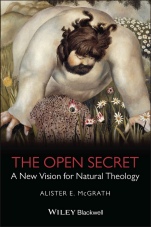
The Open Secret: A New Vision for Natural Theology
ISBN 9781405126915
Autor: Alister E. McGrath
Wydawca: Wiley
Dostępność: 3-6 tygodni
Cena: 215,25 zł
Przed złożeniem zamówienia prosimy o kontakt mailowy celem potwierdzenia ceny.
ISBN13: |
9781405126915 |
ISBN10: |
1405126914 |
Autor: |
Alister E. McGrath |
Oprawa: |
Paperback |
Rok Wydania: |
2008-03-28 |
Ilość stron: |
384 |
Wymiary: |
229x154 |
Tematy: |
HR |
Natural theology, in the view of many, is in crisis. In his long–awaited book, Alister McGrath sets out a new vision for natural theology, re–establishing its legitimacy and utility. Meeting traditional criticisms head–on, McGrath develops an intellectually rigorous vision of natural theology as a point of convergence between the Christian faith, the arts and literature, and the natural sciences, opening up important possibilities for dialogue, cross–fertilization, and enrichment. Natural theology, he argues, is about seeing nature in a Christian manner, and hence discerning its truth, beauty, and goodness. This major book is certain to be a fundamental resource and stimulus for the growing interest in reclaiming a viable natural theology in the early twenty–first century.
Acknowledgments. 1 Natural Theology: Introducing an Approach. “Nature” is an Indeterminate Concept. Natural Theology is an Empirical Discipline. A Christian Natural Theology Concerns the Christian God. A Natural Theology is Incarnational, not Dualist. Resonance, Not Proof: Natural Theology and Empirical Fit. Beyond Sense–Making: The Good, the True, and the Beautiful. Part I: The Human Quest for the Transcendent: The Context for Natural Theology:. 2 The Persistence of the Transcendent. Natural Theology and the Transcendent. The Triggers of Transcendent Experiences. The Transcendent and Religion. 3 Thinking About the Transcendent: Three Recent Examples. Iris Murdoch: The Transcendent and the Sublime. Roy Bhaskar: The Intimation of Meta–Reality. John Dewey: The Curious Plausibility of the Transcendent. 4 Accessing the Transcendent: Strategies and Practices. Ascending to the Transcendent from Nature. Seeing the Transcendent Through Nature. Withdrawing From Nature to Find the Transcendent Within Oneself. Discerning the Transcendent in Nature. 5 Discernment and the Psychology of Perception. Perception is Brain–Based. Perception Involves Dynamic Mental Structures. Perception is Egocentric and Enactive. Perception Pays Attention to Significance. Perception Can Be Modulated by Motivation and Affect. Human Perception and Natural Theology. Conclusion to Part I. Part II: The Foundations of Natural Theology: Ground–Clearing and Rediscovery:. 6 The Open Secret: The Ambiguity of Nature. The Mystery of the Kingdom: Jesus of Nazareth and the Natural Realm. The Levels of Nature: The Johannine “I Am” Sayings. Gerard Manley Hopkins on “Seeing” Nature. 7 A Dead End? Enlightenment Approaches to Natural Theology. The Enlightenment and its Natural Theologies: Historical Reflections. The Multiple Translations and Interpretations of the “Book of Nature”. The Flawed Psychological Assumptions of the Enlightenment. The Barth––Brunner Controversy (1934) and Human Perception. Enlightenment Styles of Natural Theology: Concluding Criticisms. 8 A Christian Approach to Natural Theology. On “Seeing” Glory: The Prologue to John’s Gospel. A Biblical Example: The Call of Samuel. The Christian Tradition as a Framework for Natural Theology. Natural Theology and a Self–Disclosing God. Natural Theology and an Analogy Between God and the Creation. Natural Theology and the Image of God. Natural Theology and the Economy of Salvation. Natural Theology and the Incarnation. Conclusion to Part II. Part III: Truth, Beauty, and Goodness: An agenda for a Renewed Natural Theology:. 9 Truth, Beauty, and Goodness: Expanding the Vision for Natural Theology. 10 Natural Theology and Truth. Resonance, Not Proof: Natural Theology and Sense–Making. The Big Picture, Not the Gaps: Natural Theology and Observation of the World. Natural Theology, Counterintuitive Thinking, and Anthropic Phenomena. Natural Theology and Mathematics: A “Natural” Way of Representing Reality. Truth, Natural Theology and Other Religious Traditions. On Retrieving the Richness of Truth. Truth and a Natural Theology of the Imagination. 11 Natural Theology and Beauty. Recovering the Place of Beauty in Natural Theology. The Neglect of Beauty: The “Deconversion” of John Ruskin. Hugh Millar on the Aesthetic Deficiencies of Sense–Making. John Ruskin and the Representation of Nature. The Beauty of Theoretical Representations of Nature. Beauty, Awe, and the Aesthetic Engagement with Nature. Aesthetics and the “Seeing” of Beauty. Beauty, Natural Theology, and Christian Apologetics. 12 Natural Theology and Goodness. The Moral Vision of Reality. Natural Theology and Natural Law. The Eternal Return of Natural Law. The Moral Ambivalence of Nature. The Knowability of Goodness in Nature. The Discernment of Goodness: The Euthyphro Dilemma. Conclusion to Part III. Conclusion. Index
Alister E. McGrath is Professor of Historical Theology at Oxford University and Gifford Lecturer at the University of Aberdeen for 2009. He is a world–renowned theologian, and is the author of numerous best–selling titles.
Unlike many working in the sciencetheology field, McGrath makes a real effort to address issues of biblical criticism, which gives his work some significant depth, as he incorporates an engagement with the Jesus of history and an application of this to contemporary understandings of natural theology. ( Reviews in Science and Religion , May 2009) McGrath seeks to develop a specifically Christian approach to natural theology, anchoring it in the Christ event, and interpreting natural theology as something that is both historically located in the life and death of Jesus of Nazareth and theologically interpreted by the church. ( New Testament Abstracts , January 2009) As we have come to expect from McGrath, the book is historically well–researched, conversant with recent literature, theologically creative, and carefully argued. It will certainly reshape contemporary discussions of natural theology and natural law. ( Religious Studies Review , March 09) "McGrath′s book starts from distinctively Christian Trinitarian theology and then develops what the author sees as ways for Christian beliefs to create a means of seeing nature with a new sense of vision with the purpose of understanding the connections between Christian belief and natural science. It is extremely well–researched and footnoted, with an extensive bibliography of sources cited. Summing Up: Recommended." ( CHOICE ) "The book is learned, covering a great deal of historical ground." ( First Things )
Koszyk
Książek w koszyku: 0 szt.
Wartość zakupów: 0,00 zł
Informacje


Kontakt
Gambit
Centrum Oprogramowania
i Szkoleń Sp. z o.o.
Al. Pokoju 29b/22-24
31-564 Kraków
Siedziba Księgarni
ul. Kordylewskiego 1
31-542 Kraków
+48 12 410 5991
+48 12 410 5987
+48 12 410 5989
Subskrypcje
Administratorem danych osobowych jest firma Gambit COiS Sp. z o.o. Na podany adres będzie wysyłany wyłącznie biuletyn informacyjny.
Autoryzacja płatności

Informacje na temat autoryzacji płatności poprzez PayU.

© Copyright 2012: GAMBIT COiS Sp. z o.o. Wszelkie prawa zastrzeżone.
Projekt i wykonanie: Alchemia Studio Reklamy