


Wydawcy
Katalog tematyczny
- Archeologia (109)
- Ekonomia, finanse, business (13704)
- Filozofia (1445)
- Historia (3040)
- Języki i językoznawstwo (2356)
- Lifestyle, hobby i rozrywka (475)
- Medycyna (9704)
- Nauki humanistyczne (4)
- Nauki o Ziemi i środowisku (2638)
- Nauki ścisłe (20412)
- Astronomia (294)
- Biologia (5119)
- Biochemia (575)
- Biologia człowieka (14)
- Biologia komórkowa (377)
- Biologia molekularna (398)
- Biologia rozwoju (130)
- Biologia, ogólnie (1277)
- Botanika (280)
- Hydrobiologia (92)
- Mikrobiologia (363)
- Mykologia (22)
- Zoologia (303)
- Chemia (6540)
- Fizyka (3309)
- Matematyka (4574)
- Nauki ścisłe, ogólnie (503)
- Nauki społeczne (8486)
- Nauki techniczne (13450)
- Prawo (1696)
- Publikacje informacyjne i interdyscyplinarne (1288)
- Religia i wierzenia (917)
- Technika komputerowa (4067)
- Zdrowie, relacje międzyludzkie i rozwój osobisty (657)





Informacje szczegółowe o książce
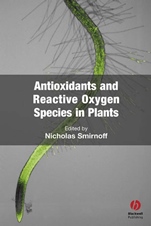
Antioxidants and Reactive Oxygen Species in Plants
ISBN 9781405125291
Autor: Nicholas Smirnoff
Wydawca: Wiley
Dostępność: 3-6 tygodni
Cena: 1 089,90 zł
Przed złożeniem zamówienia prosimy o kontakt mailowy celem potwierdzenia ceny.
ISBN13: |
9781405125291 |
ISBN10: |
1405125292 |
Autor: |
Nicholas Smirnoff |
Oprawa: |
Hardback |
Rok Wydania: |
2005-06-27 |
Ilość stron: |
320 |
Wymiary: |
239x163 |
Tematy: |
PS |
Reactive oxygen species (ROS) are produced during the interaction of metabolism with oxygen. As ROS have the potential to cause oxidative damage by reacting with biomolecules, research on ROS has concentrated on the oxidative damage that results from exposure to environmental stresses and on the role of ROS in defence against pathogens. However, more recently, it has become apparent that ROS also have important roles as signalling molecules. A complex network of enzymatic and small molecule antioxidants controls the concentration of ROS and repairs oxidative damage, and research is revealing the complex and subtle interplay between ROS and antioxidants in controlling plant growth, development and response to the environment.
This book covers these new developments, generally focussing on molecular and biochemical details and providing a point of entry to the detailed literature. It is directed at researchers and professionals in plant molecular biology, biochemistry and cell biology, in both the academic and industrial sectors.
Spis treści:
1. Glutathione.
Christine H. Foyer, Leonardo Gomez and Philippus D. R. van Heerden, Rothamsted Research, Harpenden, UK.
2. Plant thiol enzymes and thiol homeostasis in relation to thiol–dependent redox regulation and oxidative stress.
Karl–Josef Dietz, Lehrstuhl für Biochemie und Physiologie der Pflanzen, Fakultät für Biologie, Universität Bielefeld, Germany.
3. Ascorbate, tocopherol and carotenoids: metabolism, pathway engineering and functions.
Nicholas Smirnoff, School of Biological and Chemical Sciences, University of Exeter, UK.
4. Ascorbate peroxidase.
Ron Mittler, Department of Biochemistry, University of Nevada, Reno, USA and Thomas L. Poulos, Department of Molecular Biology and Biochemistry, University of California, Irvine, USA.
5. Catalases in plants: molecular and functional properties and role in stress defence.
Jürgen Feieraben
d, Institute of Botany, J. W. Goethe Universität, Frankfurt, Germany.
6. Phenolics as antioxidants.
Stepehen C. Grace, Biology Department, University of Arkansas at Little Rock, Arkansas, USA.
7. Reactive oxygen species as signalling molecules.
Radhika Desikan, John Hancock and Steven Neill, Centre for Research in Plant Science, University of the West of England, Bristol, UK.
8. Reactive oxygen species in plant development and pathogen defence.
Mark A. Jones and Nicholas Smirnoff, School of Biological and Chemical Sciences, University of Exeter, UK.
9. Reactive oxygen species in cell walls.
Robert A. M. Vreeburg and Stephen C. Fry, School of Biological Sciences, University of Edinburgh, UK.
10. Reactive oxygen species and photosynthesis.
Barry Logan, Biology Department, Bowdoin College, Brunswick, Maine, USA.
11. Plant responses to ozone.
Pinja Jaspers, Hannes Kollist, Christian Langebartels, and Jaakko Kangasjärvi, Department of Biological and Environmental Sciences, University of Helsinki, Finland.
References.
Index
Nota biograficzna:
Dr Nicholas Smirnoff is at the School of Biological and Chemical Sciences, University of Exeter, UK
Okładka tylna:
Reactive oxygen species (ROS) are produced during the interaction of metabolism with oxygen. As ROS have the potential to cause oxidative damage by reacting with biomolecules, research on ROS has concentrated on the oxidative damage that results from exposure to environmental stresses and on the role of ROS in defence against pathogens. However, more recently, it has become apparent that ROS also have important roles as signalling molecules. A complex network of enzymatic and small molecule antioxidants controls the concentration of ROS and repairs oxidative damage, and research is revealing the complex and subtle interplay between ROS and antioxidants in controlling plant growth, development and response to the environment.
Th
is book covers these new developments, generally focussing on molecular and biochemical details and providing a point of entry to the detailed literature. It is directed at researchers and professionals in plant molecular biology, biochemistry and cell biology, in both the academic and industrial sectors.
Koszyk
Książek w koszyku: 0 szt.
Wartość zakupów: 0,00 zł
Informacje


Kontakt
Gambit
Centrum Oprogramowania
i Szkoleń Sp. z o.o.
Al. Pokoju 29b/22-24
31-564 Kraków
Siedziba Księgarni
ul. Kordylewskiego 1
31-542 Kraków
+48 12 410 5991
+48 12 410 5987
+48 12 410 5989
Subskrypcje
Administratorem danych osobowych jest firma Gambit COiS Sp. z o.o. Na podany adres będzie wysyłany wyłącznie biuletyn informacyjny.
Autoryzacja płatności

Informacje na temat autoryzacji płatności poprzez PayU.

© Copyright 2012: GAMBIT COiS Sp. z o.o. Wszelkie prawa zastrzeżone.
Projekt i wykonanie: Alchemia Studio Reklamy