


Wydawcy
Katalog tematyczny
- Archeologia (109)
- Ekonomia, finanse, business (13704)
- Filozofia (1445)
- Historia (3040)
- Języki i językoznawstwo (2356)
- Lifestyle, hobby i rozrywka (475)
- Medycyna (9704)
- Nauki humanistyczne (4)
- Nauki o Ziemi i środowisku (2638)
- Nauki ścisłe (20412)
- Astronomia (294)
- Biologia (5119)
- Chemia (6540)
- Chemia analityczna (361)
- Chemia fizyczna (346)
- Chemia nieorganiczna (137)
- Chemia organiczna (535)
- Krystalografia (27)
- Minerologia (46)
- Fizyka (3309)
- Matematyka (4574)
- Nauki ścisłe, ogólnie (503)
- Nauki społeczne (8486)
- Nauki techniczne (13450)
- Prawo (1696)
- Publikacje informacyjne i interdyscyplinarne (1288)
- Religia i wierzenia (917)
- Technika komputerowa (4067)
- Zdrowie, relacje międzyludzkie i rozwój osobisty (657)





Informacje szczegółowe o książce
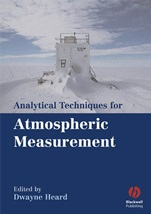
Analytical Techniques for Atmospheric Measurement
ISBN 9781405123570
Autor: Dwayne Heard
Wydawca: Wiley
Dostępność: 3-6 tygodni
Cena: 1 001,70 zł
Przed złożeniem zamówienia prosimy o kontakt mailowy celem potwierdzenia ceny.
ISBN13: |
9781405123570 |
ISBN10: |
1405123575 |
Autor: |
Dwayne Heard |
Oprawa: |
Hardback |
Rok Wydania: |
2006-04-25 |
Ilość stron: |
528 |
Wymiary: |
252x181 |
Tematy: |
PN |
Almost all of the breakthroughs in understanding the atmosphere have been initiated by field observations, using a range of instrumental techniques. Developing or deploying instruments to make further observations demands a thorough understanding of the chemical and spectroscopic principles on which such measurements depend.
Written as an authoritative guide to the techniques of instrumental measurement for the atmospheric scientist, research student or undergraduate, Analytical Techniques for Atmospheric Measurement focuses on the instruments used to make real time measurements of atmospheric gas and aerosol composition. Topics covered include how they work, their strengths and weaknesses for a particular task, the platforms on which they have been deployed and how they are calibrated. It explains the fundamental principles upon which the instrumental techniques are based (ie what property of a molecule can be exploited to enable its detection), what limits instrumental sensitivity and accuracy, and the information that can be gained from their use.
Spis treści:
Preface.
Acknowledgements.
Contributors.
1. Field Measurements of Atmospheric Composition (Dwayne E. Heard).
2. Infrared Absorption Spectroscopy (Alan Fried and Dirk Richter).
3. UV–Visible Differential Optical Absorption Spectroscopy (DOAS) (John M.C. Plane and Alfonso Saiz–Lopez).
4. Fluorescence Methods (Ezra C. Wood and Ronald C. Cohen).
5. Mass Spectrometric Methods for Atmospheric Trace Gases (Jonathan Williams).
6. Mass Spectrometric Methods for Aerosol Composition Measurements (Hugh Coe and James D. Allan).
7. Chemical Methods: Chemiluminescence, Chemical Amplification, Electrochemistry, and Derivatization (Andrew J. Weinheimer).
8. Chromatographic Methods (Jacqueline F. Hamilton and Alastair C. Lewis).
9. Measurement of Photolysis Frequencies in the Atmosphere (Andreas Hofzumahaus).
References.
Index.
Not
a biograficzna:
Dwayne Heard is Professor of Atmospheric Chemistry in the School of Chemistry, University of Leeds, Leeds, UK.
Contributors:
Dr. Alan Fried
Dr Dirk Richter
Professor John Plane
Dr Alfonso Saiz–Lopez
Professor Ronald C Cohen
Dr Ezra C. Wood
Dr Jonathan Williams
Dr. Hugh Coe
Dr James Alan
Dr. Andrew Weinheimer
Dr Alistair Lewis
Dr Jacqui Hamilton
Dr. Andreas Hofzumahaus
Okładka tylna:
Almost all of the breakthroughs in understanding the atmosphere have been initiated by field observations, using a range of instrumental techniques. Developing or deploying instruments to make further observations demands a thorough understanding of the chemical and spectroscopic principles on which such measurements depend.
Written as an authoritative guide to the techniques of instrumental measurement for the atmospheric scientist, research student or undergraduate, Analytical Techniques for Atmospheric Measurement focuses on the instruments used to make real time measurements of atmospheric gas and aerosol composition. Topics covered include how they work, their strengths and weaknesses for a particular task, the platforms on which they have been deployed and how they are calibrated. It explains the fundamental principles upon which the instrumental techniques are based (ie what property of a molecule can be exploited to enable its detection), what limits instrumental sensitivity and accuracy, and the information that can be gained from their use.
Koszyk
Książek w koszyku: 0 szt.
Wartość zakupów: 0,00 zł
Informacje


Kontakt
Gambit
Centrum Oprogramowania
i Szkoleń Sp. z o.o.
Al. Pokoju 29b/22-24
31-564 Kraków
Siedziba Księgarni
ul. Kordylewskiego 1
31-542 Kraków
+48 12 410 5991
+48 12 410 5987
+48 12 410 5989
Subskrypcje
Administratorem danych osobowych jest firma Gambit COiS Sp. z o.o. Na podany adres będzie wysyłany wyłącznie biuletyn informacyjny.
Autoryzacja płatności

Informacje na temat autoryzacji płatności poprzez PayU.

© Copyright 2012: GAMBIT COiS Sp. z o.o. Wszelkie prawa zastrzeżone.
Projekt i wykonanie: Alchemia Studio Reklamy