


Wydawcy
Katalog tematyczny
- Archeologia (109)
- Ekonomia, finanse, business (13704)
- Filozofia (1445)
- Historia (3040)
- Języki i językoznawstwo (2356)
- Lifestyle, hobby i rozrywka (475)
- Medycyna (9704)
- Nauki humanistyczne (4)
- Nauki o Ziemi i środowisku (2638)
- Nauki ścisłe (20412)
- Nauki społeczne (8486)
- Nauki techniczne (13450)
- Prawo (1696)
- Publikacje informacyjne i interdyscyplinarne (1288)
- Religia i wierzenia (917)
- Technika komputerowa (4067)
- Zdrowie, relacje międzyludzkie i rozwój osobisty (657)





Informacje szczegółowe o książce
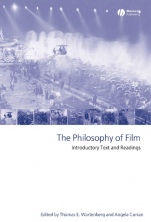
The Philosophy of Film: Introductory Text and Readings
ISBN 9781405114417
Autor: Thomas E. Wartenberg, Angela Curran
Wydawca: Wiley
Dostępność: 3-6 tygodni
Cena: 600,60 zł
Przed złożeniem zamówienia prosimy o kontakt mailowy celem potwierdzenia ceny.
ISBN13: |
9781405114417 |
ISBN10: |
140511441X |
Autor: |
Thomas E. Wartenberg, Angela Curran |
Oprawa: |
Hardback |
Rok Wydania: |
2004-12-15 |
Ilość stron: |
320 |
Wymiary: |
268x177 |
Tematy: |
AB |
The Philosophy of Film draws readings from philosophy, film studies, and film criticism. Organized around a series of philosophical questions about film, it offers an accessible and engaging overview of the discipline. Readings from contrasting angles and points of view discuss the value of film theory, the nature of film narration, the debate on whether films can be socially critical, and the question of what we can learn from film. Offering clear and helpful section introductions and thought–provoking reading questions, this book is the ideal primary textbook for undergraduate courses on the philosophy of film or philosophically oriented courses in film theory. More information about this text along with further resources are available from the accompanying website at: http://www.mtholyoke.edu/omc/phil–film/index.html
Acknowledgments. General Introduction. . Part I: Do We Need Film Theory? . Introduction. Study Questions. 1. Prospects for Film Theory (Noël Carroll). 2. Can Scientific Models of Theorizing Help Film Theory (Malcolm Turvey). 3. Philosophy of Film as the Creation of Concepts (Gilles Deleuze) . Part II: What Is the Nature of Film? . Introduction. Study Questions. 4. Defining the Photoplay (Hugo Munsterberg). 5. The Artistry of Silent Film (Rudolph Arnheim). 6. Cinematic Realism (Andre Bazin). 7. Film, Photography, and Transparency (Kendall L. Walton). 8. Non–fictional Cinematic Artworks and Knowledge (Trevor Ponech) . Part III: Do Films Have Authors? . Introduction. Study Questions. 9. La Politique des Auteurs (François Truffaut). 10. Auteur Theory and Film Evaluation (Andrew Sarris). 11. The Idea of Film Criticism (Pauline Kael). 12. Against Authorship (Stephen Heath). 13. DVD’s and the Director’s Intentions (Deborah Parker and Mark Parker) . Part IV: How Do Films Engage Our Emotions? . Introduction. Study Questions. 14. Narrative Desire (Gregory Currie). 15. Spectator Emotion and Ideological Film Criticismm (Carl Plantinga). 16. Engaging Characters (Murray Smith). 17. The Paradox of Horror (Noël Carroll) . Part V: Must Films Have Narrators? . Introduction. Study Questions. 18. Principles of Film Narration (David Bordwell). 19. The Cinematic Narrator (Seymour Chatman). 20. Narration as Showing (George M. Wilson) . Part VI: Can Films Be Socially Critical? . Introduction. Study Questions. 21. The Politics of Representation (Michael Ryan and Douglas Kellner). 22. But Would You Want Your Daughter To Marry One? Politics and Race in Guess Who’s Coming To Dinner (Thomas E. Wartenberg). 23. Stella at the Movies: Critical Spectatorship and Melodrama in Stella Dallas (Angela Curren) . Part VII: What Can We Learn From Films? . Introduction. Study Questions. 24. Knowledge as Transgression: It Happened One Night (Stanley Cavell). 25. Realist Horror (Cynthia A. Freeland). 26. Philosophy Screened: Viewing The Matrix (Thomas E. Wartenberg). 27. Virtue and Happiness in Groundhog Day (Joseph Kupfer). Suggestions for Further Reading. Index.
Thomas E. Wartenberg is Professor of Philosophy at Mount Holyoke College, researching the intersection between philosophy and culture. A former Fulbright Research Fellow and a National Endowment for the Humanities Fellow, he is the author of Unlikely Couples: Movie Romance as Social Criticism (1999). His other publications include The Nature of Art (ed., 2002) and Philosophy and Film (co–ed., 1995). Angela Curran teaches philosophy at Franklin and Marshall College in Pennsylvania. Her primary areas of research are ancient Greek philosophy, aesthetics, and philosophy of film. Her work in philosophy of film includes an essay on tragedy and film horror for Dark Thoughts: Philosophical Reflections on Cinematic Horror (2003).
“Congratulations to Wartenberg and Curran for their terrific anthology. Uniting key works in film theory, criticism, and philosophy, this much–needed text has excellent sections on core topics.” Deborah Knight, Queen’s University at Kingston “ The Philosophy of Film presents a judicious selection of influential writings on the philosophy of film from across the spectrum of current opinion, though weighted toward the increasingly dominant cognitivist paradigm of film experience. The introductory and pedagogic material provided by the editors is uniformly helpful.” Jerrold Levinson, University of Maryland, and Past President, American Society for Aesthetics “Bringing together important writings by prominent philosophers and film theorists, this volume of readings with useful editorial commentary will prove a valuable resource for students of the philosophy of film.” Berys Gaut, University of St Andrews
Koszyk
Książek w koszyku: 0 szt.
Wartość zakupów: 0,00 zł
Informacje


Kontakt
Gambit
Centrum Oprogramowania
i Szkoleń Sp. z o.o.
Al. Pokoju 29b/22-24
31-564 Kraków
Siedziba Księgarni
ul. Kordylewskiego 1
31-542 Kraków
+48 12 410 5991
+48 12 410 5987
+48 12 410 5989
Subskrypcje
Administratorem danych osobowych jest firma Gambit COiS Sp. z o.o. Na podany adres będzie wysyłany wyłącznie biuletyn informacyjny.
Autoryzacja płatności

Informacje na temat autoryzacji płatności poprzez PayU.

© Copyright 2012: GAMBIT COiS Sp. z o.o. Wszelkie prawa zastrzeżone.
Projekt i wykonanie: Alchemia Studio Reklamy