


Wydawcy
Katalog tematyczny
- Archeologia (109)
- Ekonomia, finanse, business (13704)
- Filozofia (1445)
- Historia (3040)
- Języki i językoznawstwo (2356)
- Lifestyle, hobby i rozrywka (475)
- Medycyna (9704)
- Nauki humanistyczne (4)
- Nauki o Ziemi i środowisku (2638)
- Nauki ścisłe (20412)
- Nauki społeczne (8486)
- Nauki techniczne (13450)
- Budownictwo lądowe (1045)
- Budownictwo komunikacyjne (9)
- Hydraulika (33)
- Konstrukcje budowlane (95)
- Mechanika konstrukcji (182)
- Przemysł budowlany (7)
- Chemia przemysłowa (2258)
- Elektronika i telekomunikacja (3287)
- Energetyka (1122)
- Inne nauki stosowane (363)
- Inżynieria biochemiczna (507)
- Inżynieria transportu (232)
- Mechanika i materiały (3316)
- Nauka o środowisku (321)
- Rolnictwo (507)
- Technika, ogólnie (475)
- Prawo (1696)
- Publikacje informacyjne i interdyscyplinarne (1288)
- Religia i wierzenia (917)
- Technika komputerowa (4067)
- Zdrowie, relacje międzyludzkie i rozwój osobisty (657)





Informacje szczegółowe o książce
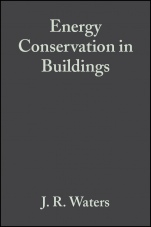
Energy Conservation in Buildings: A Guide to Part L of the Building Regulations
ISBN 9781405112536
Autor: J. R. Waters
Wydawca: Wiley
Dostępność: 3-6 tygodni
Cena: 384,30 zł
Przed złożeniem zamówienia prosimy o kontakt mailowy celem potwierdzenia ceny.
ISBN13: |
9781405112536 |
ISBN10: |
1405112530 |
Autor: |
J. R. Waters |
Oprawa: |
Paperback |
Rok Wydania: |
2003-03-03 |
Ilość stron: |
216 |
Wymiary: |
244x172 |
Tematy: |
Q |
Waters: Energy Conservation in Buildings
Tough measures for energy conservation came into force in 2002 under the Building Regulations for England and Wales. Architects; contractors and building operators are now required not only to conserve energy but to be aware of the implications of their actions for carbon emissions.
Unlike previous versions, Part L now covers virtually all buildings and almost all potential causes of building energy consumption, and it includes many new features. This book provides an essential companion to Approved Documents L1 and L2, describing, explaining and expanding on the information they contain. It contains numerous worked examples and extensive tabular material, and includes a chapter on air tightness of buildings – a new feature of the regulations – and the procedures for air leakage testing, together with a chapter on thermal bridging.
The author
J.R.Waters BSc, MPhil, PhD, MCIBSE, CEng is Honorary Research Fellow at Coventry University, where he was formerly Head of Building Services Engineering. He has specialised throughout his career in the thermal and ventilation performance of buildings, and in the thermal characteristics of building materials. He continues to be a consultant to designers and materials suppliers on environmental aspects of building design.
Also of interest
Means of Escape from Fire
M. J. Billington, A Ferguson
And A. G. Copping
0–632–03203–0
Cover design by Garth Stewart
Spis treści:
Introduction; Use of guidance; General definitions applicable to L1 and L2; Testing; The conservation of fuel and power in dwellings; The legal requirement for the conservation of fuel and power in dwellings; General guidance; Design and construction; Work on existing dwellings; The conservation of fuel and power in buildings other than dwellings; The legal requirement; General guidance; Design; Construction; Prov
iding information; Work on existing buildings; Tables of U–values; Windows, doors and rooflights; Roofs, walls and floors; Thermal conductivity and density of building materials; The calculation of U–values for walls; Background theory; Example calculations; The calculation of U–values for ground floors; Introduction; Solid ground floors; Suspended floors; Compensation calculations for glazing; Introduction; Example calculations; Target U–value examples; SAP ratings and the carbon index; SAP; Carbon factor and carbonindex; Relationship between SAP and CI; Calculation of trade–off examples; Methods of meeting the lighting standard; Lamp and luminaire efficiency; Lighting controls; Example calculations; CPR calculations – methods for office buildings; Origins of the CPR method for office buildings; The carbon performance rating for mechanical ventilation; The carbon performance rating for air conditioning and mechanical ventilation; The carbon performance rating and the whole building method; Example calculations; Solar overheating calculations; Definitions; Sources of data for the parameters; Example calculation; Air tightness and air leakage testing; The importance of air tightness; The mechanisms of air infiltration; The measurement of air leakage; The air leakage criterion; Air leakage paths; Alternative test methods; References
Okładka tylna:
Waters: Energy Conservation in Buildings
Tough measures for energy conservation came into force in 2002 under the Building Regulations for England and Wales. Architects; contractors and building operators are now required not only to conserve energy but to be aware of the implications of their actions for carbon emissions.
Unlike previous versions, Part L now covers virtually all buildings and almost all potential causes of building energy consumption, and it incl
udes many new features. This book provides an essential companion to Approved Documents L1 and L2, describing, explaining and expanding on the information they contain. It contains numerous worked examples and extensive tabular material, and includes a chapter on air tightness of buildings – a new feature of the regulations – and the procedures for air leakage testing, together with a chapter on thermal bridging.
The author
J.R.Waters BSc, MPhil, PhD, MCIBSE, CEng is Honorary Research Fellow at Coventry University, where he was formerly Head of Building Services Engineering. He has specialised throughout his career in the thermal and ventilation performance of buildings, and in the thermal characteristics of building materials. He continues to be a consultant to designers and materials suppliers on environmental aspects of building design.
Also of interest
Means of Escape from Fire
M. J. Billington, A Ferguson
And A. G. Copping
0–632–03203–0
Cover design by Garth Stewart
Koszyk
Książek w koszyku: 0 szt.
Wartość zakupów: 0,00 zł
Informacje


Kontakt
Gambit
Centrum Oprogramowania
i Szkoleń Sp. z o.o.
Al. Pokoju 29b/22-24
31-564 Kraków
Siedziba Księgarni
ul. Kordylewskiego 1
31-542 Kraków
+48 12 410 5991
+48 12 410 5987
+48 12 410 5989
Subskrypcje
Administratorem danych osobowych jest firma Gambit COiS Sp. z o.o. Na podany adres będzie wysyłany wyłącznie biuletyn informacyjny.
Autoryzacja płatności

Informacje na temat autoryzacji płatności poprzez PayU.

© Copyright 2012: GAMBIT COiS Sp. z o.o. Wszelkie prawa zastrzeżone.
Projekt i wykonanie: Alchemia Studio Reklamy