


Wydawcy
Katalog tematyczny
- Archeologia (109)
- Ekonomia, finanse, business (13704)
- Filozofia (1445)
- Historia (3040)
- Języki i językoznawstwo (2356)
- Lifestyle, hobby i rozrywka (475)
- Medycyna (9704)
- Chirurgia (272)
- Inne gałęzie medycyny (1871)
- Medycyna kliniczna (4187)
- Medycyna niekonwencjonalna (14)
- Medycyna przedkliniczna (269)
- Medycyna, ogólnie (1740)
- Historia medycyny (3)
- Lekarze, sprawy zawodowe (8)
- Medycyna, aspekty prawne (10)
- Służba zdrowia (36)
- Wyposażenie medyczne (157)
- Zdrowie publiczne (460)
- Medyczne służby pomocnicze (745)
- Studia medyczne (16)
- Weterynaria (548)
- Nauki humanistyczne (4)
- Nauki o Ziemi i środowisku (2638)
- Nauki ścisłe (20412)
- Nauki społeczne (8486)
- Nauki techniczne (13450)
- Prawo (1696)
- Publikacje informacyjne i interdyscyplinarne (1288)
- Religia i wierzenia (917)
- Technika komputerowa (4067)
- Zdrowie, relacje międzyludzkie i rozwój osobisty (657)





Informacje szczegółowe o książce
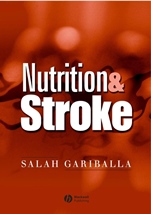
Nutrition and Stroke: Prevention and Treatment
ISBN 9781405111201
Autor: Salah Gariballa
Wydawca: Wiley
Dostępność: 3-6 tygodni
Cena: 502,95 zł
Przed złożeniem zamówienia prosimy o kontakt mailowy celem potwierdzenia ceny.
ISBN13: |
9781405111201 |
ISBN10: |
1405111208 |
Autor: |
Salah Gariballa |
Oprawa: |
Paperback |
Rok Wydania: |
2004-04-30 |
Ilość stron: |
194 |
Wymiary: |
243x169 |
Tematy: |
MB |
Stroke is a common and devasting event, which often results in death or major loss of independence, with immense human and financial costs. In the developed world stroke accounts for around 10 per cent of all deaths and is the most important single cause of severe disability among western people living in their own homes. Futhermore, in the next 30 years, the burden of stroke will grow substantially in most developing nations. There is now substantial evidence that dietary habits not only influence the prevalence of stroke, but also its course and outcome once it has occurred. The author, Salah Gariballa, who has many years’ experience working in this area, carefully presents and reviews this information in a user–friendly and accessible manner.
The book is divided into three major sections. Section I covers nutrition and ageing and includes chapters on the challenge of stroke, ageing changes and nutrition, macro– and micronutrient intake in elderly people and the diagnosis of protein–energy undernutrition. Section II deals with nutritional factors and the risk of stroke, and includes details of the role of dietary and nutritional factors in stroke prevention, antioxidants and risk from ischaemic stroke, homocysteine and endothelial dysfunction. The final section of the book covers nutrition factors following stroke, including cerebral ischaemia, protein–energy undernutrition and the nutritional status and support of stroke and special stroke patients. A final chapter looks at probable future directions, including important recommendations.
Nutrition and stroke is essential reading for nutritionists, dietitians and many other groups of health professionals, including general practitioners, gerontologists, occupational therapists and nursing staff. Personnel in pharmaceutical and food companies involved in the formulation of dietary supplements and nutraceuticals will find much of interest within the book’s covers. Th
ose dealing with the prevention and treatment of stroke around the world should read this book, and copies should be available in libraries of universities and medical schools worldwide.
Spis treści:
Preface.
Acknowledgements.
Abbreviations.
SECTION I: NUTRITION AND AGEING.
1. The Challenge of Stroke.
2. Ageing Changes Relevant to Nutrition in Elderly People.
3. Macro– and Micronutrients in Elderly People.
4. Diagnosing Protein–Energy Undernutrition (PEU) in Elderly People.
SECTION II: NUTRITIONAL FACTORS AND RISK OF STROKE.
5. The Role of Dietary and Nutritional Factors in Stroke Prevention.
6. Antioxidants and Risk of Ischaemic Stroke.
7. Homocysteine and Stroke.
8. Endothelial Dysfunction in Stroke Disease: Potential Role of dietary factors.
SECTION III: NUTRITION FACTORS FOLLOWING STROKE.
9. Cerebral Ischaemia, Reperfusion and Oxidative Damage in Ischaemic Stroke.
10. Protein–Energy Undernutrition After Stroke.
11. Nutritional Status of Special Stroke Groups: Patients with Urinary Incontinence and Swallowing Difficulties.
12. Undernutrition After Acute Stroke: When Does It Matter?.
13. Nutritional Support of Elderly Stroke Patients.
14. Nutritional Status in the Community.
15. Future Directions and Recommendations.
References.
Index.
Okładka tylna:
Stroke is a common and devasting event, which often results in death or major loss of independence, with immense human and financial costs. In the developed world stroke accounts for around 10 per cent of all deaths and is the most important single cause of severe disability among western people living in their own homes. Futhermore, in the next 30 years, the burden of stroke will grow substantially in most developing nations. There is now substantial evidence that dietary habits not only influence the prevalence of stroke, but also its course and outcome once it has occ
urred. The author, Salah Gariballa, who has many years’ experience working in this area, carefully presents and reviews this information in a user–friendly and accessible manner.
The book is divided into three major sections. Section I covers nutrition and ageing and includes chapters on the challenge of stroke, ageing changes and nutrition, macro– and micronutrient intake in elderly people and the diagnosis of protein–energy undernutrition. Section II deals with nutritional factors and the risk of stroke, and includes details of the role of dietary and nutritional factors in stroke prevention, antioxidants and risk from ischaemic stroke, homocysteine and endothelial dysfunction. The final section of the book covers nutrition factors following stroke, including cerebral ischaemia, protein–energy undernutrition and the nutritional status and support of stroke and special stroke patients. A final chapter looks at probable future directions, including important recommendations.
Nutrition and stroke is essential reading for nutritionists, dietitians and many other groups of health professionals, including general practitioners, gerontologists, occupational therapists and nursing staff. Personnel in pharmaceutical and food companies involved in the formulation of dietary supplements and nutraceuticals will find much of interest within the book’s covers. Those dealing with the prevention and treatment of stroke around the world should read this book, and copies should be available in libraries of universities and medical schools worldwide.
Koszyk
Książek w koszyku: 0 szt.
Wartość zakupów: 0,00 zł
Informacje


Kontakt
Gambit
Centrum Oprogramowania
i Szkoleń Sp. z o.o.
Al. Pokoju 29b/22-24
31-564 Kraków
Siedziba Księgarni
ul. Kordylewskiego 1
31-542 Kraków
+48 12 410 5991
+48 12 410 5987
+48 12 410 5989
Subskrypcje
Administratorem danych osobowych jest firma Gambit COiS Sp. z o.o. Na podany adres będzie wysyłany wyłącznie biuletyn informacyjny.
Autoryzacja płatności

Informacje na temat autoryzacji płatności poprzez PayU.

© Copyright 2012: GAMBIT COiS Sp. z o.o. Wszelkie prawa zastrzeżone.
Projekt i wykonanie: Alchemia Studio Reklamy