


Wydawcy
Katalog tematyczny
- Archeologia (109)
- Ekonomia, finanse, business (13704)
- Filozofia (1445)
- Historia (3040)
- Języki i językoznawstwo (2356)
- Lifestyle, hobby i rozrywka (475)
- Medycyna (9704)
- Nauki humanistyczne (4)
- Nauki o Ziemi i środowisku (2638)
- Nauki ścisłe (20412)
- Nauki społeczne (8486)
- Edukacja (229)
- Kryminologia, opieka spełeczna (284)
- Obronność (10)
- Polityka (1389)
- Psychologia (777)
- Socjologia (410)
- Społeczeństwo i kultura (187)
- Nauki techniczne (13450)
- Prawo (1696)
- Publikacje informacyjne i interdyscyplinarne (1288)
- Religia i wierzenia (917)
- Technika komputerowa (4067)
- Zdrowie, relacje międzyludzkie i rozwój osobisty (657)





Informacje szczegółowe o książce
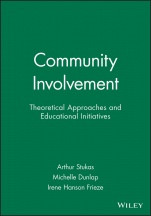
Community Involvement: Theoretical Approaches and Educational Initiatives
ISBN 9781405107938
Autor: Arthur Stukas, Michelle Dunlap, Irene Hanson Frieze
Wydawca: Wiley
Dostępność: 3-6 tygodni
Cena: 204,75 zł
Przed złożeniem zamówienia prosimy o kontakt mailowy celem potwierdzenia ceny.
ISBN13: |
9781405107938 |
ISBN10: |
1405107936 |
Autor: |
Arthur Stukas, Michelle Dunlap, Irene Hanson Frieze |
Oprawa: |
Paperback |
Rok Wydania: |
2002-11-29 |
Ilość stron: |
242 |
Wymiary: |
229x154 |
Tematy: |
JC |
The contributors to this special issue on community involvement discuss the topic from a variety of perspectives drawn from psychology, sociology, and education. In total, they present an overview of the recent history and trends associated with community involvement, including definitions, goals, major movements, and examples of specific models. In the course of this set of papers, contributors discuss the functions, processes, and theoretical underpinnings of community involvement, and specific types of involvement such as community service, service–learning, and volunteerism. A special emphasis is given to service–learning programs and the factors that produce beneficial outcomes for all relevant constituencies. Specific themes such as education, power relations, and motivation are highlighted as they emerge from the discussion of community involvement.
Spis treści:
Part I: Introduction:.
1. Community Involvement: Theoretical Approaches and Educational Initiatives: Arthur A. Stukas and Michelle R. Dunlap.
Part II: Theoretical Approaches:.
2. Four Motives for Community Involvement: C. Daniel Batson, Nadia Ahmad, and Jo–Ann Tsang.
3. Dispositional and Organizational Influences on Sustained Volunteerism: An Interactionist Perspective: Louis A. Penner.
4. Role as Resource for Action in Public Service: Jane Allyn Piliavin, Jean A. Grube, and Peter L. Callero.
5. Inter–Group Helping Relations as Power Relations: Maintaining or Challenging Social Dominance Between Groups Through Helping: Arie Nadler.
Part III: Educational Initiatives:.
6. Campus–Community Partnerships: The Terms of Engagement: Robert G. Bringle and Julie A. Hatcher.
7. Reflection: Linking Service and Learning–Linking Students and Communities: Janet Eyler.
8. Personal Identity and Civic Responsibility: ‘Rising to the Occasion' Narratives and Generativity in Community Action Stu
dent Interns: Jefferson A. Singer, Laura A. King, Melanie C. Green, and Sarah C. Barr.
9. Designing Service–Learning to Empower Students and Community: Jackson Elementary Builds a Nature Study Center: Carol M. Werner, Rose Voce, Kellie Gaufin Openshaw, and Michael Simons.
Part IV: Conclusion:.
10. Community Involvement: Opportunities and Challenges in Socializing Adults to Participate in Society: E. Gil Clary and Mark Snyder.
Part V: 2001 Kurt Lewin Award Address:.
11. Introduction to the 2001 SPSSI Presidential Address: John F. Dovidio.
12. The Costs of Seeking Self–Esteem: Jennifer Crocker.
Nota biograficzna:
Arthur A. Stukas holds a Ph.D. from the University of Minnesota. He recently moved from the USA to Melbourne, Australia, to take up a lectureship in social psychology at La Trobe University′s School of Psychological Science. Previously, he served as an assistant professor in the Department of Psychology at the University of Northern Colorado and as a postdoctoral research associate at the University of Pittsburgh Medical Center. His research interests focus on the personal and situational factors that underlie value–expression and goal–directed behavior, including such varied behaviors as volunteerism and community involvement, organ and tissue donation, principled stands against prejudice, and active disconfirmation of erroneous interpersonal expectations. He is a member of the Society for the Psychological Study of Social Issues, the Society for Personality and Social Psychology, the Society of Australasian Social Psychologists, and the American Psychological Society.
Michelle R. Dunlap received her Ph.D. from the University of Florida. She is a social psychologist who specializes in social and personality development as an associate professor of human development at Connecticut College. She has served in various professional capacities with the American Associa
tion for Higher Education (AAHE), the Association for Women in Psychology (AWP), Campus Compact, the New England Psychological Association (NEPA), and the Society for the Psychological Study of Social Issues (SPSSI). She has written extensively about college students working in urban community settings, intergroup relations, and multicultural child–rearing issues. She is author of Reaching Out to Children and Families: Students Model Effective Community Service, and co–editor of the forthcoming book, Charting a New Course for Feminist Psychology.
Okładka tylna:
The contributors to this special issue on community involvement discuss the topic from a variety of perspectives drawn from psychology, sociology, and education. In total, they present an overview of the recent history and trends associated with community involvement, including definitions, goals, major movements, and examples of specific models. In the course of this set of papers, contributors discuss the functions, processes, and theoretical underpinnings of community involvement, and specific types of involvement such as community service, service–learning, and volunteerism. A special emphasis is given to service–learning programs and the factors that produce beneficial outcomes for all relevant constituencies. Specific themes such as education, power relations, and motivation are highlighted as they emerge from the discussion of community involvement.
Koszyk
Książek w koszyku: 0 szt.
Wartość zakupów: 0,00 zł
Informacje


Kontakt
Gambit
Centrum Oprogramowania
i Szkoleń Sp. z o.o.
Al. Pokoju 29b/22-24
31-564 Kraków
Siedziba Księgarni
ul. Kordylewskiego 1
31-542 Kraków
+48 12 410 5991
+48 12 410 5987
+48 12 410 5989
Subskrypcje
Administratorem danych osobowych jest firma Gambit COiS Sp. z o.o. Na podany adres będzie wysyłany wyłącznie biuletyn informacyjny.
Autoryzacja płatności

Informacje na temat autoryzacji płatności poprzez PayU.

© Copyright 2012: GAMBIT COiS Sp. z o.o. Wszelkie prawa zastrzeżone.
Projekt i wykonanie: Alchemia Studio Reklamy