


Wydawcy
Katalog tematyczny
- Archeologia (109)
- Ekonomia, finanse, business (13704)
- Filozofia (1445)
- Historia (3040)
- Języki i językoznawstwo (2356)
- Lifestyle, hobby i rozrywka (475)
- Medycyna (9704)
- Nauki humanistyczne (4)
- Nauki o Ziemi i środowisku (2638)
- Nauki ścisłe (20412)
- Nauki społeczne (8486)
- Nauki techniczne (13450)
- Prawo (1696)
- Publikacje informacyjne i interdyscyplinarne (1288)
- Religia i wierzenia (917)
- Technika komputerowa (4067)
- Zdrowie, relacje międzyludzkie i rozwój osobisty (657)





Informacje szczegółowe o książce
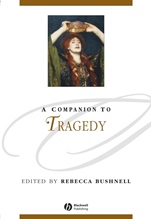
A Companion to Tragedy
ISBN 9781405107358
Autor: Rebecca Bushnell
Wydawca: Wiley
Dostępność: 3-6 tygodni
Cena: 864,15 zł
Przed złożeniem zamówienia prosimy o kontakt mailowy celem potwierdzenia ceny.
ISBN13: |
9781405107358 |
ISBN10: |
1405107359 |
Autor: |
Rebecca Bushnell |
Oprawa: |
Hardback |
Rok Wydania: |
2005-04-15 |
Ilość stron: |
572 |
Wymiary: |
270x173 |
Tematy: |
CS |
A Companion to Tragedy is an essential resource for anyone interested in exploring the role of tragedy in Western history and culture. The Companion is based on the premise that the genre of tragedy is inseparable from history, insofar as it was born in the Greek city–state, and its life has been intertwined with the fate of dynasties, revolutions, and crises of social change. At the same time, this historical approach is complemented by consideration of philosophical and religious readings of tragedy. Featuring essays by renowned scholars from multiple disciplines, the volume is structured into two parts: the first set of essays on “tragic thought” considers interpretations of tragedy through religion, philosophy, and history; while the second set on “tragedy in history” traces the historical development of tragedy from classical Greece to modernity. Together, they demonstrate how the practice of reading tragedy has changed radically in the past two decades.
Notes on Contributors. Acknowledgments. Introduction: Rebecca Bushnell (University of Pennsylvania). Tragic Thought . Part One: Tragedy and the Gods . 1.Tragedy and Ritual: Christiane Sorvinou–Inwood (author). 2.Tragedy and Dionysus: Richard Seaford (University of Exeter). Part Two: Tragedy, Philosophy, and Psychoanalysis . 3. Aristotle’s Poetics: A Defense of Tragic Fiction: Kathy Eden (Columbia University). 4. The Greatness and Limits of Hegel’s Theory of Tragedy: Mark W. Roche (University of Notre Dame). 5. Nietzsche and Tragedy: James Porter (University of Michigan). 6. Tragedy and Psychoanalysis: Freud and Lacan: Julia Reinhard Lupton (University of California, Irvine). Part Three: Tragedy and History . 7. Tragedy and City: Deborah Boedeker (Brown University) and Kurt Raaflaub (Brown University). 8. Tragedy and Materialist Thought: Hugh Grady (Arcadia University). 9. Tragedy and Feminism: Victoria Wohl (Ohio State University). Tragedy in History . Part Four: Tragedy in Antiquity . 10. Tragedy and Myth: Alan Sommerstein (University of Nottingham). 11. Tragedy and Epic: Ruth Scodel (University of Michigan). 12. Tragedy in Performance: Michael Halleran (University of Washington). 13. The Tragic Choral Group: Dramatic Role and Social Functions: Claude Calame (Ecole de Hautes Etudes en Sciences Sociales) translated by Dan Edelstein. 14. Women in Greek Tragedy: Sheila Murnahagn (University of Pennsylvania). 15. Aristophanes, Old Comedy and Greek Tragedy: Ralph Rosen (University of Pennsylvania). 16. Roman Tragedy: Alessandro Schiesaro (King’s College, University of London). Part Five: Renaissance and Baroque Tragedy . 17. The Fall of Princes: The Classical and Medieval Roots of English Renaissance Tragedy: Rebecca Bushnell (University of Pennsylvania). 18. Something is Rotten: English Renaissance Tragedies of State: Matthew H. Wikander (University of Toledo). 19. English Revenge Tragedy: Michael Neill (University of Auckland). 20. Spanish Golden Age Tragedy: Cervantes to Calderon: Margaret R. Greer (Duke University). Part Six: Neoclassical and Romantic Tragedy . 21. Neoclassical Dramatic Theory in Seventeenth–Century France: Richard E. Goodkin (University of Wisconsin–Madison). 22. French Neoclassical Tragedy: Corneille/Racine: Mitchell Greenberg (Cornell University). 23. Romantic Tragic Drama and its Eighteenth–Century Precursors: Remaking British Tragedy: Jeffrey N. Cox (University of Colorado at Boulder). 24. German Classical Tragedy: Lessing, Goethe, Schiller, Kleist, and Büchner: Simon Richter (University of Pennsylvania). 25. French Romantic Tragedy: Barbara T. Cooper (University of New Hampshire). Part Seven: Tragedy and Modernity . 26. Modern Theater and the Tragic in Europe: Gail Finney (Univeristy of California, Davis). 27. Tragedy in the Modern American Theatre: Brenda Murphy (University of Connecticut). 28. Using Tragedy against its Makers: Some African and Caribbean Instances: Timothy J. Reiss (New York University). Index
Rebecca Bushnell is Dean of the School of Arts and Sciences and Professor of English at the University of Pennsylvania. Her previous publications include Prophesying Tragedy: Sign and Voice in Sophocles’ Theban Plays (1988), Tragedies of Tyrants: Political Thought and Theater in the English Renaissance (1990), A Culture of Teaching: Early Modern Humanism in Theory and Practice (1996), and Green Desire: Imagining Early Modern English Gardens (2003).
"The Blackwell Companions series is intended to orientate the beginning student in new fields of study while providing the graduate and experienced undergraduate with current and new directions. The present volume serves these objectives well.... Bushnell’s edition gives the reader a sense of the scope and fertility of the most current scholarship on the genre." ( Journal of Hellenic Studies , February 2009) “These essays, as would be expected from their authors, manifest a high standard of scholarship and familiarity with current understandings.... The volume has a place on the desk of every reference librarian at the college and university level." Bryn Mawr Classical Review “The arrangement of the contents and an index that provides coverage of all the essays, allows immediate targeting of specific topics and quick referencing, whilst in its entirety the book provides an excellent survey of tragedy as it is currently studied. Aimed primarily at undergraduates and useful to postgraduates needing to orientate themselves in the scholarship of this area, this title is a useful addition to the academic library.” Reference Reviews
Koszyk
Książek w koszyku: 0 szt.
Wartość zakupów: 0,00 zł
Informacje


Kontakt
Gambit
Centrum Oprogramowania
i Szkoleń Sp. z o.o.
Al. Pokoju 29b/22-24
31-564 Kraków
Siedziba Księgarni
ul. Kordylewskiego 1
31-542 Kraków
+48 12 410 5991
+48 12 410 5987
+48 12 410 5989
Subskrypcje
Administratorem danych osobowych jest firma Gambit COiS Sp. z o.o. Na podany adres będzie wysyłany wyłącznie biuletyn informacyjny.
Autoryzacja płatności

Informacje na temat autoryzacji płatności poprzez PayU.

© Copyright 2012: GAMBIT COiS Sp. z o.o. Wszelkie prawa zastrzeżone.
Projekt i wykonanie: Alchemia Studio Reklamy