


Wydawcy
Katalog tematyczny
- Archeologia (109)
- Ekonomia, finanse, business (13704)
- Filozofia (1445)
- Historia (3040)
- Języki i językoznawstwo (2356)
- Lifestyle, hobby i rozrywka (475)
- Medycyna (9704)
- Nauki humanistyczne (4)
- Nauki o Ziemi i środowisku (2638)
- Nauki ścisłe (20412)
- Astronomia (294)
- Biologia (5119)
- Chemia (6540)
- Chemia analityczna (361)
- Chemia fizyczna (346)
- Chemia nieorganiczna (137)
- Chemia organiczna (535)
- Krystalografia (27)
- Minerologia (46)
- Fizyka (3309)
- Matematyka (4574)
- Nauki ścisłe, ogólnie (503)
- Nauki społeczne (8486)
- Nauki techniczne (13450)
- Prawo (1696)
- Publikacje informacyjne i interdyscyplinarne (1288)
- Religia i wierzenia (917)
- Technika komputerowa (4067)
- Zdrowie, relacje międzyludzkie i rozwój osobisty (657)





Informacje szczegółowe o książce
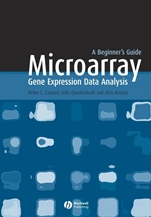
Microarray Gene Expression Data Analysis: A Beginners Guide
ISBN 9781405106825
Autor: Helen Causton, John Quackenbush, Alvis Brazma
Wydawca: Wiley
Dostępność: 3-6 tygodni
Cena: 457,80 zł
Przed złożeniem zamówienia prosimy o kontakt mailowy celem potwierdzenia ceny.
ISBN13: |
9781405106825 |
ISBN10: |
1405106824 |
Autor: |
Helen Causton, John Quackenbush, Alvis Brazma |
Oprawa: |
Paperback |
Rok Wydania: |
2003-03-27 |
Ilość stron: |
184 |
Wymiary: |
244x170 |
Tematy: |
PN |
Microarray technology is arguably the most important recent breakthrough in molecular biology. It enables researchers to obtain snapshots of gene expression for all the genes in a genome in a single experiment. Microarray experiments generate massive amounts of data that can be analysed to extract new knowledge about the underlying biological processes.
This guide covers aspects of designing microarray experiments and analysing the data generated, and includes information on some of the tools that are available from non–commercial sources. Concepts and principles underpinning gene expression analysis are emphasised, and wherever possible the mathematics has been simplified. The guide is intended for use by graduates and researchers in bioinformatics and the life sciences and is also suitable for statisticians who are interested in the approaches currently used to study gene expression.
Spis treści:
Preface.
Acknowledgements.
Part I: Introduction:.
1. What Are Microarrays?.
2. Use Of Icroarrays To Monitor Gene Expression.
3. Other Uses For Microarrays.
4. Challenges Associated With The Generation Of Large Amounts Of Complex Data.
5. Future Directions.
Part II: Aspects Of Experimental Design:.
6. Features Of Microarray Data.
7. Designing The Best Experiment.
8. Preparation of Target.
9. Design of Spotted Arrays.
10. Hybridisation.
11. Long Term Considerations.
12. Verification of Results.
Part III: Data Analysis:.
13. Preliminary Processing of Data.
14. Methods for Data Analysis.
15. Graph Models.
16. Software In The Public Domain.
17. Visualisation of Data.
Part IV: Glossary:.
Index.
Colour plates fall between pp. 84 and 85.
Nota biograficzna:
Helen Causton is an experimental biologist who carried out some of the early studies on genome–wide transcriptional regulation in yeast using microarrays. She is Head of the
Clinical Sciences Microarray Centre at Imperial College, University of London.
John Quackenbush is a principal investigator at The Institute for Genomic Research (TIGR). His research interests include development of software for microarray data analysis, gene indices and comparative genomics.
Alvis Brazma is a computer scientist who has been involved in microarray data analysis since 1998. He heads microarray informatics at the European Bioinformatics Institute and is in charge of establishing a public repository for microarray data.
Okładka tylna:
Microarray technology is arguably the most important recent breakthrough in molecular biology. It enables researchers to obtain snapshots of gene expression for all the genes in a genome in a single experiment. Microarray experiments generate massive amounts of data that can be analysed to extract new knowledge about the underlying biological processes.
This guide covers aspects of designing microarray experiments and analysing the data generated, and includes information on some of the tools that are available from non–commercial sources. Concepts and principles underpinning gene expression analysis are emphasised, and wherever possible the mathematics has been simplified. The guide is intended for use by graduates and researchers in bioinformatics and the life sciences and is also suitable for statisticians who are interested in the approaches currently used to study gene expression.
Koszyk
Książek w koszyku: 0 szt.
Wartość zakupów: 0,00 zł
Informacje


Kontakt
Gambit
Centrum Oprogramowania
i Szkoleń Sp. z o.o.
Al. Pokoju 29b/22-24
31-564 Kraków
Siedziba Księgarni
ul. Kordylewskiego 1
31-542 Kraków
+48 12 410 5991
+48 12 410 5987
+48 12 410 5989
Subskrypcje
Administratorem danych osobowych jest firma Gambit COiS Sp. z o.o. Na podany adres będzie wysyłany wyłącznie biuletyn informacyjny.
Autoryzacja płatności

Informacje na temat autoryzacji płatności poprzez PayU.

© Copyright 2012: GAMBIT COiS Sp. z o.o. Wszelkie prawa zastrzeżone.
Projekt i wykonanie: Alchemia Studio Reklamy