


Wydawcy
Katalog tematyczny
- Archeologia (109)
- Ekonomia, finanse, business (13704)
- Filozofia (1445)
- Historia (3040)
- Języki i językoznawstwo (2356)
- Lifestyle, hobby i rozrywka (475)
- Medycyna (9704)
- Nauki humanistyczne (4)
- Nauki o Ziemi i środowisku (2638)
- Nauki ścisłe (20412)
- Nauki społeczne (8486)
- Nauki techniczne (13450)
- Prawo (1696)
- Publikacje informacyjne i interdyscyplinarne (1288)
- Religia i wierzenia (917)
- Technika komputerowa (4067)
- Zdrowie, relacje międzyludzkie i rozwój osobisty (657)





Informacje szczegółowe o książce
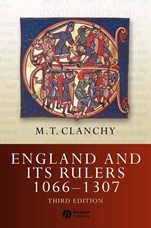
England and Its Rulers 1066 – 1307
ISBN 9781405106498
Autor: Michael T. Clanchy
Wydawca: Wiley
Dostępność: 3-6 tygodni
Cena: 522,90 zł
Przed złożeniem zamówienia prosimy o kontakt mailowy celem potwierdzenia ceny.
ISBN13: |
9781405106498 |
ISBN10: |
1405106492 |
Autor: |
Michael T. Clanchy |
Oprawa: |
Hardback |
Rok Wydania: |
2006-12-01 |
Numer Wydania: |
3rd Edition |
Ilość stron: |
360 |
Wymiary: |
240x158 |
Tematy: |
CV |
England and its Rulers has established itself as the most attractive and authoritative account of English history from 1066. For this third edition, three new chapters have been added which examine the social and economic history of the period, particularly focusing on the creation of wealth, the rise of the aristocracy and the chronicling of a British as opposed to an exclusively English history. The bibliography and suggested further reading sections have been fully updated, while additions and amendments have been made throughout.
Preface to Third Edition. Preface to Second Edition. Preface to First Edition. Maps. Map 1 England and France. Map 2 England and the Mediterranean. Map 3 Edward I’s kingdom in Britain. 1. England′s Place in Medieval Europe. England and its conquerors. Europe and the world. England’s destiny. Interpretations of English History. England and Britain. Part I: The Normans (1066–1135):. 2. The Norman Conquest (1066–87). Immediately after the Conquest. Debates about the Conquest. English feelings about the Normans. Names and languages. Domesday Book. 3. Norman Government (1087–1135). William Rufus and Henry I. The development of institutions. The Exchequer. Feudalism. 4. Church Reform. The Anglo–Saxon church. Lanfranc and Norman control. Anselm and religios perfection. Monastic expansion. 5. The Creation of Wealth. Competition between churches and towns. Markets and money. What was wealth?. Did the Normans make a difference?. Part II: The Angevins (1135–99):. 6. Struggles for the Kingdom (1135–99). Property and Inheritance. Stephen and Matilda. Henry II’s ancestral rights. Henry II and his sons. Richard I. 7. Law and Order. The law and feudalism. The systems described by Glanvill. Henry II’s intentions. Bureaucracy. Why did England develop a system of its own?. 8. The Twelfth–Century Renaissance. England’s place in this Renaissance. Curiales and Latinists. The Owl and the Nightingale. Artists and patrons. 9. The Matter of Britain. Arthur and Merlin. Wales – defining an allegiance. Modernization in Scotland. Civilization in Ireland. Part III: The Poitevins (1199–1272):. 10. King John and the Minority of Henry III (1199–1227). The Pointevin connection. The record of King John. Magna Carter. The regency of William the Marshal. Implications of the minority. 11. The Personal Rule of Henry III (1227–58). Contemporary rulers. The return of Peter des Roches. Henry’s style of kingship. Henry’s European strategy. The ‘Sicilian business’. 12. National Identity. National feeling in Henry III’s reign. The papacy and internationalism. The identity of England. The use of the English language. From lordship to nation state. The expulsion of the Poitevins. 13. The Commune of England (1258–72). The confederates of 1258. The idea of commune. The Provisions of Oxford. Henry III’s recovery. Monarchy versus community. The king and Westminster abbey. 14. Lordship and the Structure of Society. Personal display. Women and lordship. Lords, freemen and serfs. Lordship and management. 15. Epilogue: Edward I (1272–1307). Assessing the king’s character. The enforcement of royal rights. The conquest of Wales. The subjection of Scotland. English law and nationalism. Notes. Genealogical Tables. Normans and Angevins. The Savoyards. Suggestions for Further Reading. Index.
M. T. Clanchy is Professor Emeritus of Medieval History at the Institute of Historical Research, University of London, and a Fellow of the British Academy. He taught at the University of Glasgow 1964–85. He is the author of From Memory to Written Record: England 1066–1307 (Blackwell second edition, 1993) and Abelard: A Medieval Life (Blackwell, 1997). He is the editor (with Betty Radice) of The Letters of Abelard and Heloise (2003).
"An excellent treatment of political developments from the Conquest through the death of Edward I that is informed by [Clanchy′s] wide knowledge of the written sources for the period." ( Sixteenth Century Journal , Summer 2009) "[This] is the third edition of a much admired textbook which has already introduced countless students to the period yet remains fresh and full of imulating insights. For this edition Clanchy has updated the existing chapters and added excellent new ones on the economy, lordship, and England’s position in Britain." ( Annual Bulletin of Historical Literature , December 2008) "Michael Clanchy is an engaging writer whose work is always notable for its clarity without oversimplifying the key academic debates. The third edition of this excellent survey text is no exception." ( Journal of the Australian Early Medieval Association , Volume 4, 2008) "MT Clanchy′s supremely well–written account of the nation and its kings during this period retains its excellent introduction to the development of England after the Normans, but the three new chapters make it even more pertinent reading. Given current concerns over Britishness, this is a lively addition to the debate on where Britain′s national identity derives from." ( BBC History Magazine ) "A very good introduction to medieval England. The questions Clanchy raises, his frequent challenges to the views of other historians, his thoughtful and learned discussions of major issues in the history of medieval England, and his generous and explicit use of primary sources all combine to offer rich material for reflection and discussion." ( Medieval Review )
Koszyk
Książek w koszyku: 0 szt.
Wartość zakupów: 0,00 zł
Informacje


Kontakt
Gambit
Centrum Oprogramowania
i Szkoleń Sp. z o.o.
Al. Pokoju 29b/22-24
31-564 Kraków
Siedziba Księgarni
ul. Kordylewskiego 1
31-542 Kraków
+48 12 410 5991
+48 12 410 5987
+48 12 410 5989
Subskrypcje
Administratorem danych osobowych jest firma Gambit COiS Sp. z o.o. Na podany adres będzie wysyłany wyłącznie biuletyn informacyjny.
Autoryzacja płatności

Informacje na temat autoryzacji płatności poprzez PayU.

© Copyright 2012: GAMBIT COiS Sp. z o.o. Wszelkie prawa zastrzeżone.
Projekt i wykonanie: Alchemia Studio Reklamy