


Wydawcy
Katalog tematyczny
- Archeologia (1)
- Ekonomia, finanse, business (698)
- Filozofia (20)
- Historia (57)
- Języki i językoznawstwo (4)
- Lifestyle, hobby i rozrywka (32)
- Medycyna (1025)
- Nauki humanistyczne (2)
- Nauki o Ziemi i środowisku (430)
- Nauki ścisłe (1681)
- Nauki społeczne (1297)
- Edukacja (4)
- Kryminologia, opieka spełeczna (21)
- Obronność (5)
- Polityka (948)
- Psychologia (13)
- Socjologia (200)
- Społeczeństwo i kultura (77)
- Nauki techniczne (530)
- Prawo (1437)
- Publikacje informacyjne i interdyscyplinarne (32)
- Religia i wierzenia (15)
- Technika komputerowa (237)
- Zdrowie, relacje międzyludzkie i rozwój osobisty (4)





Informacje szczegółowe o książce
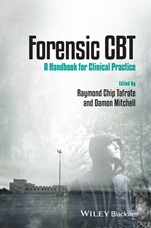
Forensic CBT: A Handbook for Clinical Practice
ISBN 9781119953296
Autor: Raymond Chip Tafrate, Damon Mitchell
Wydawca: Wiley
Dostępność: 3-6 tygodni
Cena: 493,50 zł
Przed złożeniem zamówienia prosimy o kontakt mailowy celem potwierdzenia ceny.
ISBN13: |
9781119953296 |
ISBN10: |
1119953294 |
Autor: |
Raymond Chip Tafrate, Damon Mitchell |
Oprawa: |
Hardback |
Rok Wydania: |
2013-11-01 |
Ilość stron: |
520 |
Wymiary: |
251x185 |
Tematy: |
JC |
With the current correctional population in the United States approaching 2 million—and a probation population of more than 5 million—there is an increasing demand for effective behavioral and emotional health services from forensic practitioners. Forensic CBT: A Handbook for Clinical Practice represents the first authoritative resource on the utilization of Cognitive–Behavioral Therapy (CBT) strategies and techniques for a wide variety of offender clients. Contributions from leading experts in the major schools of CBT offer practical guidance on the treatment of antisocial personality patterns, anger, interpersonal violence, substance abuse, and sexual aggression. This practical guidance is supplemented by an assortment of worksheets, handouts, and exercises for practitioners to use with their clients. Coverage is also included on the use of modified CBT strategies for female, juvenile, and culturally diverse forensic populations; as well as emerging areas of forensic practices. Forensic treatment is presented from a wide spectrum of CBT approaches including Beck and Ellis, Acceptance and Commitment Therapy, Schema Focused Therapy, and criminal thinking models. Forensic CBT is an invaluable resource for practitioners working with juvenile and adult offenders in various criminal justice settings, both within institutions and in the community.
Contributors x About the Editors and Contributors xiii Preface xxi 1 Introduction: Critical Issues and Challenges Facing Forensic CBT Practitioners 1 Damon Mitchell, David J. Simourd, and Raymond Chip Tafrate Part I Criminal Behavior and Antisocial Patterns: Conceptualizing Treatment from Different CBT Perspectives 11 Section 1 Traditional and Next Generation CBT Models 13 2 Traditional Cognitive–Behavioral Therapy Models for Antisocial Patterns 15 Lori Seeler, Arthur Freeman, Raymond DiGiuseppe, and Damon Mitchell 3 ACT for the Incarcerated 43 Jai Amrod and Steven C. Hayes 4 Schema Therapy for Aggressive Offenders with Personality Disorders 66 Marije Keulen–de Vos, David P. Bernstein, and Arnoud Arntz Section 2 Criminal Thinking Models 85 5 An Overview of Strategies for the Assessment and Treatment of Criminal Thinking 87 Daryl G. Kroner and Robert D. Morgan 6 Applying CBT to the Criminal Thought Process 104 Glenn D. Walters 7 Training Community Corrections Officers in Cognitive–Behavioral Intervention Strategies 122 Tanya Rugge and James Bonta Part II CBT Interventions for Common Criminal Justice Problem Areas 137 Section 1 Two Perspectives on the Treatment of Anger 139 8 Anger Management for Offenders: A Flexible CBT Approach 141 Howard Kassinove and Michael J. Toohey 9 Contextual Anger Regulation Therapy (CART): An Acceptance–Based Treatment for Domestic and Non–Domestic Violent Offenders 161 Frank L. Gardner and Zella E. Moore Section 2 Two Perspectives on the Treatment of Intimate Partner Violence 185 10 CBT for Perpetrators of Intimate Partner Violence: The “I3” Approach 187 Christopher I. Eckhardt, Cory A. Crane, and Joel G. Sprunger 11 A Couples–Based Violence Reduction Approach to Curbing Intimate Partner Assault 211 George F. Ronan, Kimberly Maurelli, and Krista M. Holman Section 3 Two Perspectives on the Treatment of Addictions 231 12 An Integrated REBT–Based Approach to the Treatment of Addicted Offenders 233 F. Michler Bishop 13 Social and Community Responsibility Therapy (SCRT): A Cognitive– Behavioral Model for the Treatment of Substance–Abusing Judicial Clients 252 Kenneth W. Wanberg and Harvey B. Milkman Section 4 Two Perspectives on the Treatment of Sexual Aggression 279 14 Balancing Clients’ Strengths and Deficits in Sexual Offender Treatment: The Rockwood Treatment Approach 281 William L. Marshall and Matt D. O’Brien 15 Recidivism Risk Reduction Therapy (3RT): Cognitive–Behavioral Approaches to Treating Sexual Offense Behavior 302 Jennifer Wheeler and Christmas Covell Part III Tailoring CBT to Special Forensic Populations 327 16 Advancing the Use of CBT with Justice–Involved Women 329 Marilyn Van Dieten and Erica King 17 CBT with Juvenile Offenders: A Review and Recommendations for Practice 354 Eva Feindler and Alison M. Byers 18 Culturally Responsive CBT in Forensic Settings 377 Andrew Day Part IV Emerging Ideas for Practice 391 19 Session–by–Session Assessment of Client Participation and Progress 393 David J. Simourd 20 Integrating Motivational Interviewing with Forensic CBT: Promoting Treatment Engagement and Behavior Change with Justice–Involved Clients 411 Raymond Chip Tafrate and Jennifer D. Luther 21 Integrating Strength–Based Practice with Forensic CBT: The Good Lives Model of Offender Rehabilitation 436 Clare–Ann Fortune and Tony Ward 22 Treating Depression and PTSD Behind Bars: An Interaction Schemas Approach 456 Key Sun Part V Conclusions 471 23 Forensic CBT: Five Recommendations for Clinical Practice and Five Topics in Need of More Attention 473 Raymond Chip Tafrate, Damon Mitchell, and Raymond W. Novaco Index
Raymond Chip Tafrate is a licensed psychologist and Professor and Chairperson of the Criminology and Criminal Justice Department at Central Connecticut State University. His most recent books are Anger Management for Everyone (2009) and Understanding Anger Disorders (2006). Damon Mitchell is a licensed psychologist and Associate Professor in the Department of Criminology and Criminal Justice at Central Connecticut State University. His research has been published in a variety of psychology and criminal justice journals including International Journal of Offender Therapy and Comparative Criminology , Journal of Criminal Justice , Federal Probation , Journal of Sex Research , and the Journal of Interpersonal Violence .
Koszyk
Książek w koszyku: 0 szt.
Wartość zakupów: 0,00 zł
Informacje


Kontakt
Gambit
Centrum Oprogramowania
i Szkoleń Sp. z o.o.
Al. Pokoju 29b/22-24
31-564 Kraków
Siedziba Księgarni
ul. Kordylewskiego 1
31-542 Kraków
+48 12 410 5991
+48 12 410 5987
+48 12 410 5989
Subskrypcje
Administratorem danych osobowych jest firma Gambit COiS Sp. z o.o. Na podany adres będzie wysyłany wyłącznie biuletyn informacyjny.
Autoryzacja płatności

Informacje na temat autoryzacji płatności poprzez PayU.

© Copyright 2012: GAMBIT COiS Sp. z o.o. Wszelkie prawa zastrzeżone.
Projekt i wykonanie: Alchemia Studio Reklamy