


Wydawcy
Katalog tematyczny
- Archeologia (109)
- Ekonomia, finanse, business (13704)
- Filozofia (1445)
- Historia (3040)
- Języki i językoznawstwo (2356)
- Lifestyle, hobby i rozrywka (475)
- Medycyna (9704)
- Nauki humanistyczne (4)
- Nauki o Ziemi i środowisku (2638)
- Nauki ścisłe (20412)
- Nauki społeczne (8486)
- Nauki techniczne (13450)
- Budownictwo lądowe (1045)
- Chemia przemysłowa (2258)
- Elektronika i telekomunikacja (3287)
- Energetyka (1122)
- Inne nauki stosowane (363)
- Inżynieria biochemiczna (507)
- Inżynieria transportu (232)
- Mechanika i materiały (3316)
- Nauka o środowisku (321)
- Rolnictwo (507)
- Technika, ogólnie (475)
- Prawo (1696)
- Publikacje informacyjne i interdyscyplinarne (1288)
- Religia i wierzenia (917)
- Technika komputerowa (4067)
- Zdrowie, relacje międzyludzkie i rozwój osobisty (657)





Informacje szczegółowe o książce
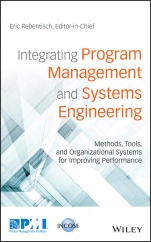
Integrating Program Management and Systems Engineering: Methods, Tools, and Organizational Systems for Improving Performance
ISBN 9781119258926
Autor: Eric Rebentisch, Larry Prusak
Wydawca: Wiley
Dostępność: 3-6 tygodni
Cena: 476,70 zł
Przed złożeniem zamówienia prosimy o kontakt mailowy celem potwierdzenia ceny.
ISBN13: |
9781119258926 |
ISBN10: |
1119258928 |
Autor: |
Eric Rebentisch, Larry Prusak |
Oprawa: |
Hardback |
Rok Wydania: |
2017-04-11 |
Ilość stron: |
456 |
Wymiary: |
243x158 |
Tematy: |
TG |
"A great contribution to systems engineering and project management, this book lays out the fundamental challenges of integrating these two disciplines and offers well–written practical guidance on how to address those challenges. This is the most comprehensive examination I have seen on the ties between systems engineering and program management."
Dr. Art Pyster, Professor and Associate Dean for Research Volgenau School of Engineering, George Mason University
"The integration of program management and systems engineering is the vital mixture for success of complex organization and societal challenges. This was the critical ingredient for the Apollo mission, and it is urgently needed for today′s fast–paced and networked world. This is an indispensable book for those seeking evidence–based research and results."
Edward J. Hoffman, Ph.D, former, Chief Knowledge Officer NASA and Executive in Residence, Columbia University, School of Professional Studies
"Through real life cases and examples, this book makes the case for genuine integration of program management and systems engineering. It shows how a combination of shared vision, responsiveness to change, empowerment of teams and technical competence lead to value realization when dealing with complex socio–technical systems. A must–read book!"
Michel Thiry, Ph.D, FAPM, PMI Fellow
Achieve Greater Performance by Integrating your Key Program Functions
Integrating Program Management and Systems Engineering makes the case for achieving significant program and project improvements through the strategic integration of program managers and system engineers.
Developed through an alliance between the Project Management Institute (PMI), International Council on Systems Engineering (INCOSE), and the Consortium for Engineering Program Excellence (CEPE) at the Massachusetts Institute of Technology (MIT), this integrated approach and framework offers path of successful practices for creating better solutions. This guidebook presents a diverse group of contributors in program management, systems engineering, and academia, who share their collective knowledge of best approaches to improving program results through a unified working relationship between program managers and systems engineers. From defining the integrated goal to making a successful transition, everything you need is inside, including:
Tools for assessing your current capabilities and building up to custom fit your organizational needs Proven tactics to improve cost, schedule, and technical performance of programs and projects Innovative techniques for managing risk through every stage of integration and performance improvementBreak through the silos in your organization and accomplish more together with Integrating Program Management and Systems Engineering.
PART I: IN SEARCH OF INTEGRATED SOLUTIONS
1 Toward a New Mindset
1.1 Striving for Perfection in Complex Work
1.2 Boldly Going Again Where People Have Gone Before
1.3 Strategy Realization Requires Good Management
1.4 Workforce + Organizational Capabilities = Competitive Advantage
1.5 Rays of Hope
1.6 Trekking Toward a New Mindset
1.7 Summary
1.8 Discussion Questions
1.9 References
2 The Engineering Program Performance Challenge
2.1 Introduction
2.2 Making White Elephants Extinct
2.3 Large Engineering Programs are Complex
2.4 We Need a Better Solution
2.5 Summary
2.6 Discussion Questions
2.7 References
Additional Resources
3 The Features of Successful Integration of Program Management and Systems Engineering
3.1 A Major Engineering Program Failure?
3.2 Bridging Boundaries to Foster Program Success
3.3 Contributors to Success in Action
3.4 Summary and Key Takeaways
3.5 Discussion Questions
3.6 References
Additional Resources
4 The Case for Integrating Program Management and Technical Management
4.1 The Roots of Nonintegration
4.2 Program Management and Systems Engineering Are Different
4.3 Program Management
4.4 Systems Engineering
4.5 Why Divergence is Such a Problem
4.6 Integrating is Difficult, but Not Impossible
4.7 Discussion Questions
4.8 References
Additional Resources
5 Key Concepts in Integration
5.1 Introduction
5.2 Assessing Integration Between Disciplines
5.3 Attributes of Integration in Complex Organizations
5.4 Practitioner Perspectives on Integration
5.5 Summary
5.6 Discussion Questions
5.7 References
Part II: Building Capabilities to Effectively Execute Engineering Programs
6 How Integration Works in Programs
6.1 Introduction
6.2 The Integration Framework
6.3 Summary and Key Takeaways
6.4 Discussion Questions
6.5 References
7 Integration in Practice in the F/A–18E/F Program
7.1 Introduction
7.2 F/A–18E/F Program Background and the Context of Integration
7.3 Twelve Days of August A Start on the Integration Journey
7.4 Enabling Integration by Reducing Program Complexity
7.5 A Parallel Process in NAVAIR to Improve Integration
7.6 The E/F Program Pilots a New Way of Working Together
7.7 Improved Decision Making
7.8 Program Delivery
7.9 Integration Practices Observed in the F/A–18E/F Program
7.10 Summary and Key Takeaways
7.11 Discussion Questions
7.12 References
8 Program Management & Systems Engineering Integration Processes, Practices, and Tools
8.1 Introduction
8.2 Episodic Integration Mechanisms
8.3 Pervasive Integration Mechanisms
8.4 A Note on Tailoring
8.5 Summary
8.6 Discussion Questions
8.7 References
Additional Resources
9 The Organizational Environment
9.1 Introduction
9.2 Structural Dimensions of Integration
9.3 Organizational Environmental Factors
9.4 The Challenges of Integration in Large Scale Programs: Systems Failure
9.5 Characteristics of Successful Program Integration
9.6 The International Space Station: A Model in Systems Integration
9.7 Summary and Key Takeaways
9.8 Discussion Questions
9.9 References
Additional Resources
10 Developing Integration Competencies in People
10.1 Introduction
10.3 Identifying Integration Competencies
10.4 Developing Integration Competencies
10.5 Managing Integration Competencies
10.6 Summary and Key Takeaways
10.7 Discussion Questions
10.8 References
Additional Resources
11 Integration Throughout the Program Life Cycle
11.1 Introduction
11.2 Integration and the Generic Life Cycle
11.3 Life Cycle Stages for Systems Engineering
11.4 Program Management Life Cycle Characteristics
11.5 Large–Scale Infrastructure Programs
11.6 Life Cycle Integration
11.7 Leadership Styles for the Big Dig s Five Stages of Program Management
11.8 Summary
11.9 Discussion Questions
11.10 References
Additional Resources
12 The Impact of Effective Integration on Program Performance
12.1 Introduction
12.2 Program Performance
12.3 Measuring Integration in Programs
12.4 Integration as a Catalyst for Program Performance
12.5 Case Study: Electronic Support Upgrade for the Royal Australian Navy s Anzac Class Frigate
12.6 Summary and Key Takeaways
12.7 Discussion Questions
12.8 References
Part III: Developing Integration Competencies in Your Organization
13Integration Means Change
13.1 Introduction: The Case for Change
13.2 The Need to be Thoughtful About Change
13.3 Frameworks and Models for Change
13.4 Readiness Assessment
13.5 The Road Ahead and How to Prepare for It
13.6 Key Takeaways
13.7 Discussion Questions
13.8 References
Additional Resources
14 Successful Change Programs that Improved Integration
14.1 Introduction
14.2 Redefining What is Possible: The Marriage of Systems Engineering and Program Management at Lockheed Missiles & Space Company
14.3 Using Certification to Foster Integration in U.S. Government Agency Acquisition Programs
14.4 Integrating Software Engineering and Program Management at Nationwide
14.5 Managing Change in Engineering Program Organizations: Boosting Productivity in BMW s Engineering Department
14.6 Delivering the World s Most Complex Inner–City Infrastructure Program: Boston s Big Dig
14.7 Summary
14.8 Discussion Questions
14.9 References
15 Leading an Integration Change Program
15.1 Introduction
15.2 Understanding the Work Ahead The Organizational Context
15.3 Planning for Change within the Organizational Context
15.4 Putting the Four Input Dimensions for Change Together
15.5 Practices to Consider
15.6 Summary and Key Takeaways
15.7 References
Part IV: A Call to Action
16 Calls to Action
16.1 Call to Action for Academia: Help Budding Professionals Learn to Adapt
16.2 Call to Action for Enterprise: Build the Right Engine for Strategy Implementation
16.3 Call to Action for Policymakers: Refocus Oversight and Accountability in the Right Ways
16.4 Call to Action for Industry and Professional Societies: Take an Interdisciplinary View
16.5 Call to Action for Researchers: Explore Interdisciplinary Systems
16.6 References
Eric Rebentisch leads research projects at the Massachusetts Institute of Technology′s (MIT) Sociotechnical Systems Research Center (SSRC). His research focuses on improving the performance of technically driven organizations and their product offerings.
Koszyk
Książek w koszyku: 0 szt.
Wartość zakupów: 0,00 zł
Informacje


Kontakt
Gambit
Centrum Oprogramowania
i Szkoleń Sp. z o.o.
Al. Pokoju 29b/22-24
31-564 Kraków
Siedziba Księgarni
ul. Kordylewskiego 1
31-542 Kraków
+48 12 410 5991
+48 12 410 5987
+48 12 410 5989
Subskrypcje
Administratorem danych osobowych jest firma Gambit COiS Sp. z o.o. Na podany adres będzie wysyłany wyłącznie biuletyn informacyjny.
Autoryzacja płatności

Informacje na temat autoryzacji płatności poprzez PayU.

© Copyright 2012: GAMBIT COiS Sp. z o.o. Wszelkie prawa zastrzeżone.
Projekt i wykonanie: Alchemia Studio Reklamy