


Wydawcy
Katalog tematyczny
- Archeologia (109)
- Ekonomia, finanse, business (13704)
- Filozofia (1445)
- Historia (3040)
- Języki i językoznawstwo (2356)
- Lifestyle, hobby i rozrywka (475)
- Medycyna (9704)
- Nauki humanistyczne (4)
- Nauki o Ziemi i środowisku (2638)
- Nauki ścisłe (20412)
- Nauki społeczne (8486)
- Nauki techniczne (13450)
- Prawo (1696)
- Publikacje informacyjne i interdyscyplinarne (1288)
- Religia i wierzenia (917)
- Technika komputerowa (4067)
- Zdrowie, relacje międzyludzkie i rozwój osobisty (657)





Informacje szczegółowe o książce
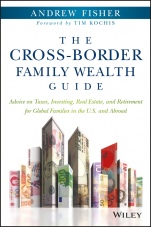
The Cross–Border Family Wealth Guide: Advice on Taxes, Investing, Real Estate, and Retirement for Global Families in the U.S. and Abroad
ISBN 9781119234272
Autor: Andrew Fisher, Tim Kochis
Wydawca: Wiley
Dostępność: 3-6 tygodni
Cena: 190,05 zł
Przed złożeniem zamówienia prosimy o kontakt mailowy celem potwierdzenia ceny.
ISBN13: |
9781119234272 |
ISBN10: |
1119234271 |
Autor: |
Andrew Fisher, Tim Kochis |
Oprawa: |
Hardback |
Rok Wydania: |
2017-03-17 |
Ilość stron: |
272 |
Wymiary: |
229x171 |
Tematy: |
KF |
"Andrew Fisher′s The Cross–Border Family Wealth Guide comes to the rescue of those who may not even realize that they need to grapple with tax, financial, and investment requirements and opportunities that are extraordinarily complex The Cross–Border Family Wealth Guide reveals proven pathways out."
From the Foreword by Tim Kochis, JD, MBA, CFP®
THE AUTHORITATIVE PERSONAL FINANCE GUIDE FOR EXPATS
The Cross–Border Family Wealth Guide is the financial guidebook cross–border families have been waiting for to clarify and streamline the complexities of global wealth management. For Americans living abroad and foreigners living in the U.S., this helpful resource details how to navigate the ever–changing rules and regulations which complicate saving and investing, and planning for retirement. Insightful case studies from the real world will prepare you to implement this accessible advice from an accomplished financial advisor specializing in cross–border wealth management. The easiest way to ensure your family′s financial security is through careful planning based on proven results, and by starting here you can:
Gain a firm grasp on all the nuances of international taxation and how to avoid costly pitfalls Manage your assets and plan for your future with the confidence that comes with guidance aimed at your specific circumstances Design a retirement strategy that will protect and grow the assets you worked hard to earn and saveThe Cross–Border Family Wealth Guide is the expat′s road map to long–term financial security.
Foreword by Tim Kochis, JD, MBA, CFP®
Preface
Part I The Financial Challenges of a Cross–Border Life
Chapter 1 Who Are These Cross–Border Families?
The Growing Need for a Definitive Guide
Who s Who: Who This Guide Is Meant to Serve
Examples of Who Might Benefit From This Book
Diagramming a Cross–border Person: Residency and U.S. Income Tax Status
How Many Cross–border Professionals and Families Are There?
Unique Challenges Faced by Cross–border Families Connected to the United States
Chapter 2 Unique Challenges and the Regulatory Landscape
The Unequal Nature of Tax Regimes and Reach
The Unique Worldwide Reach of the U.S. Tax System
Complexity in Taxation and Other Regulations
Scarcity of Professional Help and Information
A Changing Legal, Financial, and Regulatory Landscape
The Far Reach of the Foreign Account Tax Compliance Act (FATCA)
Recommending against Secretive Offshore Wealth Strategies
Part II Saving and Investing: Building Your Personal Net Worth
Chapter 3 Building a Strong Foundation
Retirement Destination Unknown: Invest Globally
Spreading It Around
Wealth Creation and Accumulation
Saving From Earnings
Real Estate Ownership
Stock–Based Compensation
Entrepreneurs and Businesses Ownership
Investment Gains and Reinvestment
Inheritance
Diversification: Protecting and Growing Wealth
Considering Your Entire Balance Sheet
The Meaning of Diversification versus Asset Allocation
Spreading Things Around
Asset Allocation in Investment Portfolios
A Well–Allocated Portfolio Can Still Lack Diversification
Allocating Your Net Worth: A Balance Sheet Approach
Six Primary Asset Categories
Three Additional Items of Importance
Cash and Cash Equivalents
Personal Residences
Income Property
Publicly Traded Securities: Stocks and Bonds
Bonds and Bond Funds (Fixed Income)
Stocks and Stock Funds (Equities)
Downsides of Owning Stocks
Concentrated Business Ownership
Personal Debt
Collectibles and Other Hard Assets
Other Private Investment Vehicles
Conclusion
Chapter 4 Investing in the Markets: Stocks and Bonds
Three Important Attributes
Easy Diversification
No Active Involvement
Source of Growth and Risk Control
Stocks and Bonds Work Better Together
Setting A Risk Objective
Managing Emotions While Focusing On The Long–Term
Stock Picking Maybe Not
Investment Advice To Live By
Avoiding the Herd Mentality
Staying Calm in Times of Change
Determining Investment Goals and Objectives
Four Common Investor Objectives Defined
Fundamental Investment Guidelines
Low–Cost Passive Investing
Tax Efficiency Is Huge
Global Diversification For All
Risk Control through Asset Allocation
Regular Rebalancing Adds Value: Don t Invest and Forget
Strategic vs. Tactical Asset Allocation
Strategic Asset Allocation (SAA)
Tactical Asset Allocation (TAA)
Take It Slow
A Jurisdictional Review: Where to Hold Investments?
Large Foreign Banks in Europe or Asia
Have You Earned Your Own Private Banker ?
Not World–Class Investments
Not World–Class Advice
Tax Reporting And FATCA
Large Offshore Private Banks
Smaller Offshore Banks and Insurance Companies
U.S. Brokerage Accounts
Problems with Maintaining Accounts in the United States
Foreign Residents with U.S. Accounts
The Best Choice for Many People
Part III 401(k)s, IRAs, and Other Pensions and Savings Plans
Chapter 5 A Global Approach to 401(k)s and IRAs
Investing Your Serious Money
401(k) Plan Basics
Key Benefits of 401(k) Plans
Global Investing for a Global Retirement
The Location of Underlying Assets Is What Matters
401(k) Plans Lack a Global Perspective
Inherent Currency Risks
Target Date Funds: A Lot To Like and Dislike
IRA Rollovers
IRAs Offer Distinct Advantages
Owning Real Estate within an IRA
Leave It Alone and Let It Grow
Chapter 6 Unique Cross–Border 401(k) Issues
A Lack of International Tax Agreement
Do The Benefits of a 401(k) Follow You?
International Tax Law is Unclear
The 401(k) Gets Respect
Benefits May Travel with You, But Your Account Stays Put
Taking It with You
Must I File U.S. Tax Return Because of a 401(k)?
How Are Distributions Taxed?
What If You are Living Abroad When You Draw out Money?
Tax Withholdings on Distributions to Non–Residents
Many U.S. Institutions Will Over–Withhold Tax on Distributions
How Are Foreign Residents Recovering U.S. Withholding Tax?
Unreported Income Isn t Right (Move back to H2)
Contributions to IRA Accounts While Living Abroad Be Careful
Chapter 7 Foreign Retirement Plans, Pensions, and Other Savings Accounts
Foreign Retirement Plans
U.S. Tax Treatment of Foreign Retirement Plans Is Often Unclear
What is Really Happening Now?
Contributions by U.S. Citizens and Residents to Foreign Plans
For U.S. Taxpayers: Foreign Contributions Typically Do Lower Taxes
It Is Likely Not Being Reported to the IRS at All
Best Planning of All Save Now and Save Later
Existing Foreign Retirement Accounts: The Real World
Better International Reporting and Coordination Is Needed
Investing Inside a Foreign Retirement Account
High Fees and Poor Investments: A Headwind against Growth
Roth IRAs and Roth 401(k)s
How to Get Money In
Foreign Implications of Roth IRAs and Roth 401(k)s
Roth Accounts Don t Speak Foreign Languages
Traditional Pension Income
Pensions Paid Across Borders
U.S. Taxpayers Abroad with U.S. Pension Income
Not Reporting to Foreign Authorities Is Risky
U.S. Taxpayers Abroad with Foreign Pension Income
Non–Residents Living Abroad with U.S. Pension Income
Don t Claim to Be a U.S. Tax Resident When You Are Not
Proper Tax Treatment
Educational Savings: 529 Plans
To Maximize Benefit, Start Very Young
Foreign Residents Beware
Finding Good Advice Is a Challenge
Part IV Real Estate
Chapter 8 Renting, Owning, and Investing
Crazy for Real Estate
Real Estate Appreciation Likely to Slow in Future
Primary Residences and Vacation Homes
Advantages to Owning Your Home
Owning a Vacation Home
The Process of Buying a Home in the U.S.
Selling Expenses and Property Taxes
Buy or Rent upon Arrival?
When You Should Probably Own
Real Estate as an Investment
Before even Considering an Investment
Benefits (and Some Negatives) to Investing in Real Estate
Property Types: Single Family Homes versus Commercial
Types of Commercial Real Estate Assets
Owning Property: Directly or with Other Investors
Real Estate Partnerships
To Rent Out or Sell a Former Home
Why Turn Your Old Home into a Rental Property?
Do You Like Fixing Toilets?
You Have Three Years to Decide
Cross–border Situations Where a Home Is Left Behind
Americans on the Move
Foreign Nationals with U.S. Residency
Foreigners Might Sell Before Becoming a U.S. Tax Resident
Selling Before Entering the U.S., When Gains are Very Large
Sale and Lease Back
Chapter 9 Real Estate Taxation and Other Considerations
Basic Tax Treatment of Real Estate
Taxation of Primary Residences
Tax–Free Gain on Sale of a Primary Residence
The Treatment of Vacation Homes
Taxation of Rentals and Other Investment Property
Reducing Income Tax A Shelter From The Tax Man
Selling Investment Property Calculating Taxable Gains
Tax Basis And Accumulated Depreciation Shifting Income Down
Foreign Properties Often Not Reported to the IRS
Go Ahead, It Won t Hurt Too Much
It s Not Really Forever But It Might Be
Global Transparency Is Coming
Foreign Property Gifted by Family Members
Owning Property Inside of an IRA
Rules To Be Carefully Followed
Be Careful to Read the Fine Print
Other Cross–Border Considerations
Tax–Free Exchange of Investment Property Doesn t Travel Well
Sorry, This Only Works For U.S. Properties
Avoid Owning Foreign Real Estate Through A Foreign Corporation
Unique Currency Risk When Owning Property Abroad
Strange Gains and Losses on the Retirement of Debt on Personal Residence
Non–Resident Aliens: Investing in the U.S. and the EB–5 Program
Non–Resident Aliens Investing in U.S. Real Estate
Becoming a U.S. Resident EB–5 Visas
Estate Taxes On U.S. Property Owned By Non–Residents
Risk of Estate Taxes with Foreign Property
Part V Cross–Border Taxation
Chapter 10 Understanding the Three Types Cross–Border Families
The Unique Complexities of Cross–border Taxation
Tax Profiles: Three Types of Cross–border Families
Type 1: Foreign Nationals in the U.S.
Learning the U.S. Tax System
Type 2: American Citizens and Permanent Residents Living Abroad
Foreign Citizens Leaving the U.S. for Short–Term Assignments
Expatriate Assignments and Tax–Equalized Employment Packages
Localized Employment Contracts in Another Country
Reducing U.S. Tax for Taxpayers Living Abroad
Foreign Earned Income Exclusion
Foreign Housing Exclusion
Foreign Tax Credits
Revoking the Foreign Earned Income Exclusion
Likely U.S. Tax Liabilities For U.S. Taxpayers Abroad
Type 3: Foreign Nationals with Assets in the United States
Taxation by the IRS On Passive U.S. Investments
Interest Income, Dividends, and Capital Gains
Rental Real Estate Property In the U.S.
Over–Withholding Tax on Bond Interest Inside a Fund
Estate Tax Exemptions For Non–Residents
Becoming a U.S. Resident For Tax Purposes
Two Tests to Determine U.S. Residency
Lawful Permanent Resident Test (the Green Card Test)
Substantial Presence Test
Situations When Taxed Only on U.S. Sourced Income
Tax Treaty Basics
Chapter 11 U.S. Tax Overview: Federal and State
Taxing Worldwide Income: The IRS Is Different
Filing Deadlines
Income Tax Overview
Gross Income
Deductions from Gross Income
Itemized or Standard Deductions from AGI
Personal Exemptions
Final Taxable Income
Understanding Marginal Tax Rates
Lower Tax Rates on Capital Gains and Dividends
Real Estate Rental Income
Stock–Based Compensation: Options
Stock–Based Compensation: Stock Grants and RSUs
Exchange Rate Issues When Taxing Foreign Income
State Income Taxes
State Tax Returns Often Based on Federal Returns
Different Treatments of Long–Term Capital Gains and Qualified Dividends
State Tax Residency: Requirements and Termination
When States Come Looking for You
U.S. Tax Residents Living Abroad with State Tax Liabilities
Avoiding Unnecessarily Becoming a State Resident in the First Place
Chapter 12 Additional Tax–Planning Considerations
Investing Outside of the U.S. Avoiding PFIC Rules
Passive Foreign Investment Corporations (PFICs) Explained
Complex Reporting and Punitive Tax Treatment
Advice on Foreign Accounts and PFIC
Three PFIC Scenarios to Consider
Scenario #1
Scenario #2
Scenario #3
Foreign Asset Reporting & Tax Evasion
Foreign Bank Account Reporting (FBAR) Requirements
FBAR Penalties
Other Foreign Asset Reporting: Form 8938
Form 8938 Filing Requirements
Form 8938 Penalties
Additional Foreign Asset Reporting (s/b H2 I think, like Other Foreign Asset )
Voluntary Offshore Disclosure Programs (OVPD)
Other Forms of Taxation in the U.S.
Social Security Taxes
Social Security Tax Calculation
Totalization Agreements
Special Taxes on High–Earners
Additional Medicare Taxes on Ordinary Income
Net Investment Income Tax (NIIT)
Gift and Estate Taxes
Gift Taxes
Estate Taxes
Estate Taxes for Non–Residents
Expatriation Tax (Exit Tax)
Pre–Arrival Planning
Accelerate Gift Planning
Accelerate Income When Possible
Distribute Deferred Income When Possible
Consider Realizing Gains Before Moving Here
Review Existing Asset Structures Before Arriving
Review Immigration and Visa Alternatives
Part VI Retirement Planning
Chapter 13 Planning for a Global Retirement
Where to Retire? A Common Dilemma
Being Near Family Is Most Important
Plan to Retire Anywhere, to Maximize Flexibility
Worldwide Planning is also Inherently More Complex
Investing for Retirement
Having Enough Money to Retire
How Much Money Will You Need?
First Question: What Will You Need to Live On?
Second Question: What Are Your Sources of Ongoing Retirement Income?
Third Question: Will Your Retirement Savings Make Up the Difference?
Safe Withdrawal Rates: The 4% Rule
What Is A Successful Retirement?
The Important Role of Financial Planning
Longevity Risk is Alive and Well
Inheritances: Plan for It, But Don t Count on It
Organizing and Optimizing Worldwide Income and Assets
Assessing Sources of Income in Retirement
Organizing Your Assets
Cash and Cash Equivalents
Qualified Accounts: 401(k)s, IRAs, & Other U.S. & Foreign Retirement Accounts
Non–Qualified Investment Accounts Generally Holding Stocks and Bonds
Concentrated Stock and Stock Options
Real Estate
Alternative Investments
Currency Exposure: A Real Retirement Risk
Chapter 14 Considerations for Cross–Border Retirees
Tax Planning for Retirement
Taxes on Pension and Social Security Income
Taxes on Investment Income and Gains
Taxes on Distributions from Qualified Accounts
Taking Retirement Accounts with You
Cash Management and Account Administration
FATCA Fallout: Harder to Deal With Big International Banks
Accessing Your Money
Foreign Exchange Costs Minimize Translations
Efficient Cross–Border Money Transfers
Social Security and Foreign Pensions
Social Security Benefits Earned Are Usually Yours for Life
Possible Windfall Elimination Reduction to Benefits
Long–Term Viability and Ongoing Changes
Filing for Benefits Early, on Time, or Late?
Foreign Government Pensions
Drawing on Tax–Deferred Accounts
The Ordering Of Withdrawals
Conclusion
An Overview of Key Points
Final Thoughts and Words of Encouragement
Index
ANDREW FISHER is widely regarded as a leading wealth advisor to cross–border families. He frequently writes and speaks to the unique financial planning and investment complexities faced by international families, particularly when an individual is a tax resident of the United States. Andrew holds the CFA and CPA designations, and serves as president and founder of Worldview Wealth Advisors, an independent wealth management firm focused on financial planning and investment advice for cross–border families.
Koszyk
Książek w koszyku: 0 szt.
Wartość zakupów: 0,00 zł
Informacje


Kontakt
Gambit
Centrum Oprogramowania
i Szkoleń Sp. z o.o.
Al. Pokoju 29b/22-24
31-564 Kraków
Siedziba Księgarni
ul. Kordylewskiego 1
31-542 Kraków
+48 12 410 5991
+48 12 410 5987
+48 12 410 5989
Subskrypcje
Administratorem danych osobowych jest firma Gambit COiS Sp. z o.o. Na podany adres będzie wysyłany wyłącznie biuletyn informacyjny.
Autoryzacja płatności

Informacje na temat autoryzacji płatności poprzez PayU.

© Copyright 2012: GAMBIT COiS Sp. z o.o. Wszelkie prawa zastrzeżone.
Projekt i wykonanie: Alchemia Studio Reklamy