


Wydawcy
Katalog tematyczny
- Archeologia (109)
- Ekonomia, finanse, business (13704)
- Filozofia (1445)
- Historia (3040)
- Języki i językoznawstwo (2356)
- Lifestyle, hobby i rozrywka (475)
- Medycyna (9704)
- Nauki humanistyczne (4)
- Nauki o Ziemi i środowisku (2638)
- Nauki ścisłe (20412)
- Nauki społeczne (8486)
- Edukacja (229)
- Kryminologia, opieka spełeczna (284)
- Obronność (10)
- Polityka (1389)
- Psychologia (777)
- Socjologia (410)
- Społeczeństwo i kultura (187)
- Nauki techniczne (13450)
- Prawo (1696)
- Publikacje informacyjne i interdyscyplinarne (1288)
- Religia i wierzenia (917)
- Technika komputerowa (4067)
- Zdrowie, relacje międzyludzkie i rozwój osobisty (657)





Informacje szczegółowe o książce
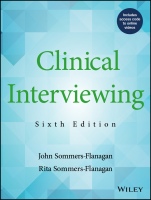
Clinical Interviewing
ISBN 9781119215585
Autor: John Sommers–Flanagan, Rita Sommers–Flanagan
Wydawca: Wiley
Dostępność: 3-6 tygodni
Cena: 557,55 zł
Przed złożeniem zamówienia prosimy o kontakt mailowy celem potwierdzenia ceny.
ISBN13: |
9781119215585 |
ISBN10: |
1119215587 |
Autor: |
John Sommers–Flanagan, Rita Sommers–Flanagan |
Oprawa: |
Paperback |
Rok Wydania: |
2016-12-13 |
Numer Wydania: |
6th Edition |
Ilość stron: |
704 |
Wymiary: |
237x180 |
Tematy: |
JC |
Praise for Clinical Interviewing
"I′m a huge admirer of the authors′ excellent work. This book reflects their considerable clinical experience and provides great content, engaging writing, and enduring wisdom."
John C. Norcross, Ph.D., ABPP, Distinguished Professor of Psychology, University of Scranton
"This text is outstanding. Well–grounded in theory and research, it brings to life real challenges confronting mental health professionals. Especially impressive is the integration of cultural competence and cultural humility in the interview process. This is an awesome book."
Derald Wing Sue, Ph.D. Department of Counseling and Clinical Psychology, Teachers College, Columbia University
"This is a ′must–have′ resource that belongs on the bookshelf of every mental health counselor trainee and practitioner."
Barbara Herlihy, PhD. NCC, LPC–S, University Research Professor, Counselor Education Program, University of New Orleans
Fully–updated guide to proven, practical strategies for conducting effective interviews
Clinical Interviewing is the essential guide to conducting initial interviews, suicide assessment, mental status examinations, and psychotherapy skill development. The Sixth Edition includes:
Updates focusing on latest trends in clinical interviewing research and practice Access to over 70 videos that show the authors discussing and demonstrating crucial interviewing techniques Online instructor′s manual and resources to facilitate teachingThis edition also includes a unique Registration Code to access the Wiley Interactive E–Text (Powered by VitalSource), enhanced with dynamic content, including video, to further enrich student learning.
Preface
About the Authors
Part One: Foundations of Clinical Interviewing
Chapter 1: An Introduction to the Clinical Interview
Chapter Orientation
Welcome to the Journey
What is a Clinical Interview?
Clinical Interviewing vs. Counseling and Psychotherapy
A Learning Model for Clinical Interviewing
Multicultural Competencies
Multicultural Humility
Summary
Suggested Readings and Resources
Chapter 2: Preparation
Chapter Orientation
The Physical Setting
Professional and Ethical Issues
Multicultural Preparation
Stress Management and Self–Care
Summary
Suggested Readings and Resources
Chapter 3: An Overview of the Interview Process
Chapter Orientation
Stages of a Clinical Interview
The Introduction
The Opening
The Body
The Closing
Ending the Session (Termination)
Summary
Suggested Readings and Resources
Part Two: Listening and Relationship Development
Chapter 4: Nondirective Listening Skills
Chapter Orientation
Listening Skills
Adopting a Therapeutic Attitude
Why Nondirective Listening is also Directive
The Listening Continuum in Three Parts
Nondirective Listening Behaviors: Skills for Encouraging Client Talk
Ethical and Multicultural Considerations
Not Knowing What to Say
Summary
Suggested Readings and Resources
Chapter 5: Directive Listening Skills
Chapter Orientation
Directive Listening Behaviors: Skills for Encouraging Insight
Questions
Ethical and Multicultural Considerations when Using Directive Listening Skills
Summary
Suggested Readings and Resources
Chapter 6: Skills for Directing Clients toward Action
Chapter Orientation
Readiness to Change
Skills for Encouraging Action Using Questions
Using Educational and Directive Techniques
Ethical and Multicultural Considerations when Encouraging Action
Summary
Suggested Readings and Resources
Chapter 7: Evidence–Based Relationships
Chapter Orientation
The Great Psychotherapy Debate
Carl Rogers s Core Conditions
Other Evidence–Based Relationship Concepts
The Working Alliance (aka The Therapeutic Relationship)
Evidence–Based Multicultural Relationships
Summary
Suggested Readings and Resources
Part Three: Structuring and Assessment
Chapter 8: Intake Interviewing and Report Writing
Chapter Orientation
What s an Intake Interview?
Identifying, Evaluating, and Exploring Client Problems and Goals
Obtaining Background and Historical Information
Assessment of Current Functioning
Brief Intake Interviewing
The Intake Report
Dos and Don ts of Intake Interviews with Diverse Clients
Summary
Suggested Readings and Resources
Chapter 9: The Mental Status Examination
Chapter Orientation
What Is a Mental Status Examination?
Individual and Cultural Considerations
The Generic Mental Status Examination
When to Use Mental Status Examinations
Summary
Suggested Readings and Resources
Chapter 10: Suicide Assessment
Chapter Orientation
Facing the Suicide Situation
Suicide Risk Factors, Protective Factors, and Warning Signs
Building a Theoretical and Research–Based Foundation
Suicide Assessment Interviewing
Suicide Interventions
Ethical and Professional Issues
Summary
Suggested Readings and Resources
Chapter 11: Diagnosis and Treatment Planning
Chapter Orientation
Modern Diagnostic Classification Systems
Defining Mental Disorders
Diagnostic Interviewing
The Science of Clinical Interviewing: Diagnostic Reliability and Validity
Less Structured Diagnostic Clinical Interviews
Treatment Planning
Case Formulation and Treatment Planning: A Cognitive–Behavioral Example
Additional Cultural Modifications and Adaptations
Summary
Suggested Readings and Resources
Part Four: Special Populations and Situations
Chapter 12: Challenging Clients and Demanding Situations
Chapter Orientation
Challenging Clients
Motivational Interviewing and Other Strategies for Working Through Resistance
Assessment and Prediction of Violence and Dangerousness
Demanding Situations: Crisis and Trauma
Cultural Competencies in Disaster Mental Health
Summary
Suggested Readings and Resources
Chapter 13: Interviewing Young Clients
Chapter Orientation
Considerations in Working with Children and Adolescents
The Introduction
The Opening
The Body of the Interview
Closing and Termination
Culture in Young Client Interviews
Summary
Suggested Readings and Resources
Chapter 14: Interviewing Couples and Families
Chapter Orientation
Challenges and Ironies of Interviewing Couples and Families
The Introduction
The Opening
The Body
Closing and Termination
Special Considerations
Diversity Issues
Summary
Suggested Readings and Resources
Chapter 15: Electronic and Telephonic Interviewing
Chapter Orientation
Technology as an Extension of the Self
Definition of Terms and Communication Modalities
NonFtF Assessment and Intervention Research
Ethical and Practical Issues: Problems and Solutions
Conducting Online or NonFtF Interviews
Multicultural Issues: Culture and Online Culture
Summary
Suggested Online Training Resources
Appendix: Extended Mental Status Examination Interview Protocol
References
Index
JOHN SOMMERS–FLANAGAN, PHD, is a clinical psychologist and professor of counselor education at the University of Montana. He is a long–time member of both the American Counseling Association (ACA) and the American Psychological Association (APA).
RITA SOMMERS–FLANAGAN, PHD, is professor emeritus at the University of Montana. As a clinical psychologist, she has worked with youth, families, couples, and women for many years.
Koszyk
Książek w koszyku: 0 szt.
Wartość zakupów: 0,00 zł
Informacje


Kontakt
Gambit
Centrum Oprogramowania
i Szkoleń Sp. z o.o.
Al. Pokoju 29b/22-24
31-564 Kraków
Siedziba Księgarni
ul. Kordylewskiego 1
31-542 Kraków
+48 12 410 5991
+48 12 410 5987
+48 12 410 5989
Subskrypcje
Administratorem danych osobowych jest firma Gambit COiS Sp. z o.o. Na podany adres będzie wysyłany wyłącznie biuletyn informacyjny.
Autoryzacja płatności

Informacje na temat autoryzacji płatności poprzez PayU.

© Copyright 2012: GAMBIT COiS Sp. z o.o. Wszelkie prawa zastrzeżone.
Projekt i wykonanie: Alchemia Studio Reklamy