


Wydawcy
Katalog tematyczny
- Archeologia (109)
- Ekonomia, finanse, business (13704)
- Filozofia (1445)
- Historia (3040)
- Języki i językoznawstwo (2356)
- Lifestyle, hobby i rozrywka (475)
- Medycyna (9704)
- Nauki humanistyczne (4)
- Nauki o Ziemi i środowisku (2638)
- Nauki ścisłe (20412)
- Nauki społeczne (8486)
- Edukacja (229)
- Kryminologia, opieka spełeczna (284)
- Obronność (10)
- Polityka (1389)
- Psychologia (777)
- Socjologia (410)
- Społeczeństwo i kultura (187)
- Nauki techniczne (13450)
- Prawo (1696)
- Publikacje informacyjne i interdyscyplinarne (1288)
- Religia i wierzenia (917)
- Technika komputerowa (4067)
- Zdrowie, relacje międzyludzkie i rozwój osobisty (657)





Informacje szczegółowe o książce
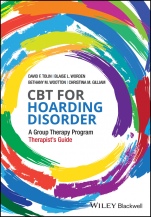
CBT for Hoarding Disorder: A Group Therapy Program Therapists Guide
ISBN 9781119159230
Autor: David F. Tolin, Blaise L. Worden, Bethany M. Wootton, Christina M. Gilliam
Wydawca: Wiley
Dostępność: 3-6 tygodni
Cena: 252,00 zł
Przed złożeniem zamówienia prosimy o kontakt mailowy celem potwierdzenia ceny.
ISBN13: |
9781119159230 |
ISBN10: |
1119159237 |
Autor: |
David F. Tolin, Blaise L. Worden, Bethany M. Wootton, Christina M. Gilliam |
Oprawa: |
Paperback |
Rok Wydania: |
2017-09-08 |
Ilość stron: |
200 |
Wymiary: |
242x172 |
Tematy: |
JC |
Comprised of a therapist manual and client workbook, CBT for Hoarding Disorder guides group leaders through a comprehensive CBT group program for patients struggling with hoarding disorder. Filling the need created by the inclusion of hoarding disorder (HD) as its own diagnosis in the DSM–5, this program which was created by a group of four clinical psychologists experienced in research and treatment of problematic hoarding behavior prioritizes experiential learning, repeated practice, skills building, and real–world discarding progress.
The therapist manual provides step–by–step, evidence–based guidance for treating hoarding with a focus on proven methods for behavior change rather than complex cognitive interventions. It contains the latest research on hoarding disorder and emphasizes the cognitive, emotional, and motivational factors involved in discarding and decision–making. The client workbook features accessible, straightforward content, including coping cards that summarize key lessons, homework assignments, motivational tools, and practice exercises for decision–making and emotion regulation skills. Easy to implement without home visits, this is a cutting–edge treatment program for professionals and group leaders of all educational backgrounds treating problematic hoarding behavior across a wide variety of treatment settings and disciplines.
Part I Introductory Information for Clinicians
What is Hoarding Disorder?
Diagnosing Hoarding Disorder
What Causes Hoarding Disorder?
How DWe Target These Factors in Treatment?
Implementing Group CBT for Hoarding Disorder
Does This Treatment Work?
What Does the Group Look Like?
WhIs This Group Designed For?
Use of the Manual
Troubleshooting Common Problems
Measuring Outcomes
Part II Treatment Manual
Chapter 1 Welcome tThe Class
1. Welcome tthe Declutter Class
Sorting and Discarding
Bringing Clutter from Home tGroup
Staying on Schedule
Photos
Class Task: Introduce Yourself!
2. Class Rules and Guidelines
Treatment Contract
Class Confidentiality Contract
3. What is Hoarding Disorder?
4. What Will I Learn in This Class?
Learn More About What Contributes tYou Having Clutter
Learn Evidence–Based Skills tReduce the Clutter in Your Home
Learn How tApply the Skills on a Consistent Basis
5. How Well Does the Declutter Class Work?
6. Homework
Chapter 2 Why DI Have SMuch Stuff?
1. Homework Review
Class Task: Homework Review
2. Rewards
Individual Rewards
Class Task: Brainstorm Rewards
Class Rewards
3. Meet the Bad Guys
Decision–Making and Problem Solving
Intense Emotions
Unhelpful Thinking
Waxing and Waning Motivation
4. Setting Goals
CLASS TASK: Setting SMART Goals
5. Homework
In/Out Logs
Chapter 3 Making Decisions and Solving Problems: Part 1
1. Homework Review
2. Making Decisions and Solving Problems
3. Making Decisions and Minimizing Distractions
Guidelines for Discarding
Class Task: Making Your Own Guidelines
Scheduling the Time t Work on Discarding
Class Task: Identifying the Best Time for Discarding and Planning Your Day
4. Making Decisions and Improving Organization
How Much is To Much?
Class Task: Identifying if I Have To Much Stuff
Where DThings Belong?
Class Task: Make Your Own Categories
5. Putting Skills Together tDiscard Better
Follow the Flowchart for Discarding
Class Task: Using the Flowchart tHelp with Discarding
6. Homework
Chapter 4 Making Decisions and Solving Problems: Part 2
1. Homework Review
2. Making Decisions: Acquiring
Understanding High–Risk Situations
Class Task: Identifying High–Risk Situations
Understanding Healthy vs. Unhealthy Acquiring
Class Task: Identifying Common Unhealthy Reasons for Acquiring
Guidelines for Acquiring
3. Solving Problems
Class Task: Identifying Problems That Maintain My Clutter Problem
Learning How tSolve Problems
Class Task: Practice Problem Solving
4. Discarding Practice
5. Bad Guy Re–evaluation
6. Homework
Chapter 5 Intense Emotions: Part 1
1. Homework Review
2. About Intense Emotions
Class Task: Class Discussion About Intense Emotions
Class Task: Identifying the Intense Emotions That Lead tClutter
3. Tackling Intense Emotions That Lead tAcquiring
Class Task: Identifying Negative Beliefs About Emotions
4. Homework
Chapter 6 Intense Emotions: Part 2
1. Homework Review
2. Tackling Intense Emotions That Get In the Way of Discarding
Accepting Our Emotions and Being Our Own Boss
Class Task : Being Your Own Boss: Acquiring
Class Task: Being Your Own Boss: Discarding
Recognizing When Emotions Are Taking Over
3. Bad Guy Re–evaluation
4. Homework
Chapter 7 Unhelpful Thinking: Part 1
1. Homework Review
2. How Thoughts Influence Emotions
Class Task: Identifying How Thoughts Lead tEmotions
3. Identifying Unhelpful Thoughts
Common Unhelpful Thoughts in People with Hoarding Disorder
Class Task: Identifying Unhelpful Thoughts That Lead tDifficulty Discarding
4. Homework
Chapter 8 Unhelpful Thinking: Part 2
1. Homework Review
2. Tackling Unhelpful Thoughts
Question the Thoughts
Class Task: Practice Questioning Your Thoughts: Acquiring
Class Task: Practice Questioning Your Thoughts: Discarding
What Would You Say ta Friend?
Class Task: How Would I Advise a Friend?
3. Bad Guy Re–evaluation
4. Homework
Chapter 9: Waxing and Waning Motivation: Part 1
1. Homework Review
2. Improving Motivation
The Pros and Cons of Continuing Your Efforts
Class Task: Identifying Pros and Cons of Continuing Your Efforts
3. Acting on Your Top Goals and Values
Focusing on Goals and Values
Class Task: Identifying My Life Goals and Values
Class Task: Are My Life Goals Consistent with My Acquiring and Discarding Behaviors?
4. Homework
Chapter 10 Waxing and Waning Motivation: Part 2
1. Homework Review
2. Improving Motivation tDiscard
Visualize Your Decluttered Space
Class Task: Using Your Imagination tVisualize Your Decluttered Space
3. Being Motivated By Your Values
4. Checking In on Long–Term SMART Goals
5. Bad Guy Re–evaluation
6. Homework
Chapter 11: Putting It All Together: Part 1
1. Homework Review
2. Troubleshooting Common Barriers
Barrier 1: Areas Getting Recluttered
Barrier 2: Cannot Access the Final Home for Objects
3. Putting It All Together
Class Task: Putting the Skills Together
4. Homework
Chapter 12 Putting It All Together: Part 2
1. Homework Review
2. Troubleshooting Common Barriers
Barrier 3: Conditions That Interfere with Discarding
Barrier 4: Not Having Information About What tKeep or Not Keep
3. Putting It All Together
4. Homework
Chapter 13: Putting It All Together: Part 3
1. Homework Review
2. Troubleshooting Common Barriers
Barrier 5: My Family Member AlsHas Hoarding Disorder
Barrier 6: I Feel Like I Can t Get Rid of Items If They Are Worth Money
3. Putting It All Together
4. Homework
Chapter 14 Putting It All Together: Part 4
1. Homework Review
2. Troubleshooting Common Barriers
Barrier 7: Being Overly Careful When Discarding
Additional Barrier (optional)
3. Putting It All Together
4. Homework
Chapter 15 Staying Well in the Future: Part 1
1. Homework Review
2. Reviewing Progress
What You ve Learned
Choosing How You Think About Progress
Class Task: Write Down Your Thoughts About Your Progress
3. Practice Discarding
Class Task: Discarding Practice
4. Homework
Chapter 16: Staying Well in the Future: Part 2
1. Homework Review
2. Maintaining Motivation
My Rewards for Working on My Hoarding Problem
Class Task: Identify Some Goals and Rewards
3. Wrap–Up and Questions
Appendix A: Clock Sign
Appendix B: Bad Guy Reminder Cards for Participants
References
David Tolin is Founder and Director of the Anxiety Disorders Center/Center for Cognitive Behavioral Therapy at The Institute of Living, USA. He is also Adjunct Professor of Psychiatry at Yale University School of Medicine. He was the 2014 President of clinical psychology division of the American Psychological Association, and the recipient of the awards for Distinguished Contribution to the Science of Psychology, Distinguished Contribution to the Practice of Psychology, and Lifetime Contribution to Psychology from the Connecticut Psychological Association. An internationally recognized expert in the study and treatment of hoarding disorder, Dr. Tolin is the author of Buried in Treasures: Help for Compulsive Acquiring, Saving, and Hoarding (second edition, 2014), as well as Doing CBT: A Comprehensive Guide to Working with Behaviors, Thoughts, and Emotions (2016), Face Your Fears: A Proven Plan to Beat Anxiety, Panic, Phobias, and Obsessions (Wiley, 2012),and Treating Trichotillomania: Cognitive Behavior Therapy for Hair Pulling and Related Problems (2007). He was a featured expert on the A&E series Hoarders and the host of the VH–1 series The OCD Project. He has been a recurrent guest on programs such as The Dr. Oz Show and The Oprah Winfrey Show.
Blaise Worden is a clinical psychologist at the Anxiety Disorders Center/Center for Cognitive Behavioral Therapy The Institute of Living, USA, where she runs and directs cognitive–behavioral treatment groups for hoarding disorder. She has co–authored book chapters on the phenomenology of both hoarding and obsessive–compulsive disorder, and provides educational talks to community organizations about HD treatment.
Bethany M. Wootton is a clinical psychologist and Senior Lecturer in Clinical Psychology at the University of New England, Australia. She has an interest in the treatment of anxiety and related disorders. Her research focuses on the development and evaluation of remote treatments in order to improve access to evidence–based treatments for these conditions.
Christina Gilliam is a clinical psychologist and Director of Educational Programs at the Anxiety Disorders Center/Center for Cognitive Behavioral Therapy at the Institute of Living, USA. She is an expert in providing and training others in cognitive behavioral therapy for anxiety disorders, obsessive compulsive and related disorders, and she has published journal articles and book chapters in these areas.Koszyk
Książek w koszyku: 0 szt.
Wartość zakupów: 0,00 zł
Informacje


Kontakt
Gambit
Centrum Oprogramowania
i Szkoleń Sp. z o.o.
Al. Pokoju 29b/22-24
31-564 Kraków
Siedziba Księgarni
ul. Kordylewskiego 1
31-542 Kraków
+48 12 410 5991
+48 12 410 5987
+48 12 410 5989
Subskrypcje
Administratorem danych osobowych jest firma Gambit COiS Sp. z o.o. Na podany adres będzie wysyłany wyłącznie biuletyn informacyjny.
Autoryzacja płatności

Informacje na temat autoryzacji płatności poprzez PayU.

© Copyright 2012: GAMBIT COiS Sp. z o.o. Wszelkie prawa zastrzeżone.
Projekt i wykonanie: Alchemia Studio Reklamy