


Wydawcy
Katalog tematyczny
- Archeologia (109)
- Ekonomia, finanse, business (13704)
- Filozofia (1445)
- Historia (3040)
- Języki i językoznawstwo (2356)
- Lifestyle, hobby i rozrywka (475)
- Medycyna (9704)
- Chirurgia (272)
- Inne gałęzie medycyny (1871)
- Medycyna kliniczna (4187)
- Medycyna niekonwencjonalna (14)
- Medycyna przedkliniczna (269)
- Medycyna, ogólnie (1740)
- Historia medycyny (3)
- Lekarze, sprawy zawodowe (8)
- Medycyna, aspekty prawne (10)
- Służba zdrowia (36)
- Wyposażenie medyczne (157)
- Zdrowie publiczne (460)
- Medyczne służby pomocnicze (745)
- Studia medyczne (16)
- Weterynaria (548)
- Nauki humanistyczne (4)
- Nauki o Ziemi i środowisku (2638)
- Nauki ścisłe (20412)
- Nauki społeczne (8486)
- Nauki techniczne (13450)
- Prawo (1696)
- Publikacje informacyjne i interdyscyplinarne (1288)
- Religia i wierzenia (917)
- Technika komputerowa (4067)
- Zdrowie, relacje międzyludzkie i rozwój osobisty (657)





Informacje szczegółowe o książce
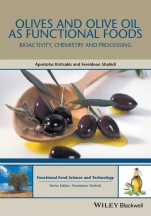
Olives and Olive Oil as Functional Foods: Bioactivity, Chemistry and Processing
ISBN 9781119135319
Autor: Apostolos Kiritsakis, Fereidoon Shahidi
Wydawca: Wiley
Dostępność: 3-6 tygodni
Cena: 887,25 zł
Przed złożeniem zamówienia prosimy o kontakt mailowy celem potwierdzenia ceny.
ISBN13: |
9781119135319 |
ISBN10: |
1119135311 |
Autor: |
Apostolos Kiritsakis, Fereidoon Shahidi |
Oprawa: |
Hardback |
Rok Wydania: |
2017-08-25 |
Ilość stron: |
688 |
Wymiary: |
259x181 |
Tematy: |
MB |
The only single–source reference on the science of olives and olive oil nutrition and health benefits
Olives and Olive Oil as Functional Foods is the first comprehensive reference on the science of olives and olive oil. While the main focus of the book is on the fruit s renowned health–sustaining properties, it also provides an in–depth coverage of a wide range of topics of vital concern to producers and researchers, including post–harvest handling, packaging, analysis, sensory evaluation, authentication, waste product utilization, global markets, and much more.
People have been cultivating olives for more than six millennia, and olives and olive oil have been celebrated in songs and legends for their life–sustaining properties since antiquity. However, it is only within the last several decades that the unique health benefits of their consumption have become the focus of concerted scientific studies. It is now known that olives and olive oil contain an abundance of phenolic antioxidants, as well as the anti–cancer compounds such as squalene and terpenoids. This centerpiece of the Mediterranean diet has been linked to a greatly reduced risk of heart disease and lowered cancer risk. Bringing together contributions from some of the world s foremost experts on the subject, this book:
Addresses the importance of olives and olive oil for the agricultural economy and the relevance of its bioactive components to human health Explores the role that olive oil plays in reducing oxidative stress in cells–a well–known risk factor in human health Provides important information about new findings on olive oil and lipids which reviews the latest research Explores topics of interest to producers, processors, and researchers, including the fruit s chemical composition, processing considerations, quality control, safety, traceability, and moreEdited by two scientists world–renowned for their pioneering work on olive oil and human health, this book is an indispensable source of timely information and practical insights for agricultural and food scientists, nutritionists, dieticians, physicians, and all those with a professional interest in food, nutrition, and health.
List of contributors
Preface
Chapter 1: Olive Tree History and Evolution
1.1. Introduction
1.2. The Olive Culture in the Mediterranean Region
1.3. Evolution of the Olive Tree from a Botanical Point of View
1.4. A Different Approach
1.5. Conclusion
References
Chapter 2: Botanical Characteristics of Olive Tree: Cultivation and Growth Conditions – Defence Mechanisms to Various Stressors and Effects on Olive Growth and Functional Compounds
2.1 Introduction
2.2. Botanical Characteristics
2.3 Cultivation and Growth Conditions
2.4. Defense Mechanisms Against Various Stresses
2.5. Factors Affecting Olive Growth and Functional Compounds
2.6. Conclusion
References
Chapter 3: Conventional and Organic Cultivation and their Effect on Functional Composition of Olive Oil
3.1 Introduction
3.2 Productivity
3.3 Environmental Impact
3.4 Pesticide Residues
3.5 Oil Composition and Quality
3.6 Conclusion
References
Chapter 4: The Influence of Growing Region and Cultivar on Olives and Olive Oil Characteristics and on their Functional Constituents
4.1 Introduction
4.2 Overview of Olive Orchards in some World Crop Areas
4.3 Global Olive Oil Cultivars
4.4 Olive Oil Composition Affected by Genetic and Environmental Factors
4.5 Conclusions
References
Chapter 5: Olive Fruit and Olive Oil Composition and Their Functional Compounds
5.1. Introduction
5.2. The Olive Fruit
5.3. Description of Olive Fruit and Olive Oil Constituents
5.4. Olive Oil
5.5. Pigments
5.6. Phenols
5.7. Hydrocarbons
5.8. Triterpenoids
5.9. Tocopherols
5.10. Aliphatic Alcohols and Waxes
5.11. Sterols
5.12. Flavor Compounds
5.13. Conclusion
References
Chapter 6: Mechanical Harvesting of Olives
6. 1. Introduction
6. 2. Fruit Removal from the Tree
6. 3. Collection, Cleaning, and Transport of Fallen Fruits
6.4. Continuous Harvesters
6. 5. Effects on Oil and Fruit Quality
6. 6. Conclusion
References
Chapter 7: Olive Fruit Harvest and Processing and their Effect on Oil Functional Compounds
7.1. Introduction
7.2. Harvest Time
7.3. Harvest Techniques
7.4. Olive Storage and Transportation to the Olive Oil Mill
7.5. Processing Steps
7.6. Pressure Process
7.7. Centrifugation Process
7.8. Selective Filtration (Sinolea) Process
7.9. Processing Systems
7.10. Olive Fruit Processing by–Products and their Significance
7.11. The Effect of Enzymes in Olive Fruit Processing and Oil Composition
7.12. Effect of Processing Systems on Olive Oil Quality and Functional Properties
7.13. Conclusion
References
Chapter 8: Application of HACCP and Traceability in Olive Oil Mills and Packaging Units and their Effect on Quality and Functionality
8.1. Introduction
8.2. The Basic HACCP Benefits and Rules
8.3. Description and Analysis of the HACCP Program in the Olive Oil Mill
8.4. Application of the HACCP Program in the Packaging Unit
8.5. The Context of Traceability
8.6. Traceability of Olive Oil
8.7. Legislation for Olive Oil Traceability
8.8. Compositional Markers of Traceability
8.9. DNA–Based Markers of Traceability
8.10. Sensory Profile Markers of Traceability
8.11. Conclusions
References
Chapter 9: Integrated Olive Mill Waste (OMW) Processing towards Complete by–Product Recovery of Functional Components
9.1. Introduction
9.2. Characterization of Olive Mill Waste
9.3. Current Technologies for Olive Mill Waste Treatment
9.4. Recovery of Functional Components from Olive Mill Waste
9.5. Integral Recovery and Revalorization of Olive Mill Waste
9.6. Conclusion
References
Chapter 10: Olive Oil Quality and its Relation to the Functional Bioactives and their Properties
10.1. Introduction
10.2. Hydrolysis (Lipolysis)
10.3. Oxidation
10.4. Prevention of Olive Oil Autoxidation
10.5. Photooxidation
10.6. Olive Oil Quality Evaluation with Methods other than the Official
10.7. Behavior of Olive Oil During Frying Process
10.8. Off Flavors of Olive Oil
10.9. Factors Affecting the Quality of Olive Oil and its Functional Activity
10.10. Effect of Storage on Quality and Functional Constituents of Olive Oil
10.11. Conclusion
References
Chapter 11: Optical non–Destructive UV–VIS–NIR–MIR Spectroscopic Tools and Chemometrics in the Monitoring of Olive Oil Functional Compounds
11.1. Introduction– Functional Compounds in Olive Oil
11.2. An Introduction to UV–VIS–NIR–MIR Spectroscopy in Olive Oil Analysis
11.3. Spectroscopic Regions with Interest for Olive Oil Analysis
11.4. The Basics of Chemometrics
11.5. Spectra Preprocessing Methods
11.6. UV–VIS–NIR–MIR Spectroscopy and Chemometrics in Monitoring Olive Oil Functional Compounds
11.7. UV–VIS–NIR–MIR Spectroscopy and Chemometrics in Monitoring Olive Oil Oxidation
11.8. FT–IR Spectroscopy and Chemometrics in Monitoring Olive Oil Functional Compounds and Antioxidant Activity
11.9. The Use of UV–VIS–NIR–MIR Spectroscopy in Olive Oil Industry and Trade
11.10. Conclusion
References
Chapter 12: Oxidative Stability and the Role of Minor and Functional Components of Olive Oil
12. 1. Introduction
12.2. Olive Oil Oxidative Stability
12.3. Accelerated Oxidative Assays and Shelf Life Prediction
12.4. Stability of Olive Oil Components: Fatty Acids and Minor Components
12.5. Antioxidant Capacity of Olive Oil Functional Components
12.6. Conclusion
References
Chapter 13: Chemical and Sensory Changes in Olive Oil during Deep Frying
13.1. Introduction
13.2. Alterations of Chemical Characteristics in Frying Olive Oil
13.3. Oxidation of Olive Oil during Frying
13.4. Methods for Determination of Polar Compounds (PC) and Evaluation of the Quality of Frying Olive Oil
13.5. Evaluation of the Quality of Frying Olive Oil
13.6. Prediction of Oxidative Stability under Heating Conditions
13.7. Impact of Deep Frying on Olive Oil Compared to Other Oils
13.8. Conclusions
References
Chapter 14: Olive Oil Packaging : Recent Developments
14.1. Introduction
14.2. Migration Aspects during Packaging
14. 3. Flavor Scalping
14.4. Effect of Packaging Materials on Olive Oil Quality
14. 5. Conclusions
References
Chapter 15: Table Olives, Processing, Nutritional and Health Implications
15.1 Introduction
15.2 Olive Maturation Stages for Table Olive Processing
15.3 Olive Cultivars Suitable for Table Olive Processing
15.4 Factors Affecting Raw Olive Fruit for Table Olive Processing
15.5 Table Olive Processing
15.6 Nutritional, Health and Safety Aspects of Table Olives
15.7 Quality and Safety Aspects Relating to Table Olives
15.8 Antibiotic Aspects of Olive Polyphenols
15.9 Probiotic Capability of Table Olive Products
15.10 Conclusion
References
Chapter 16:Greek Style Table Olives and their Functional Value
16.1. Introduction
16.2. Table Olive Processing in Greece
16.3 Functional Value of Greek Table Olives
16.4. Conclusion
References
Chapter 17 :Food Hazards and Quality Control in Table Olive Processing with a Special Reference to Functional Compounds
17.1. Introduction
17.2. Table Olive Processing Techniques
17.3. New Trends in Table Olive Processing and Quality Control, with a Special Reference to Functional Products
17.4. Food Safety Requirements for Table Olives
17.5. Conclusions
References
Chapter 18: Improving the Quality of Processed Olives: Acrylamide in Californian Table Olives
18.1. Introduction
18.2. Acrylamide Formation in Food and Potential Adverse Health Effects
18.3. Regulation of Acrylamide in Food
18. 4. Acrylamide Levels in Olive Products
18.5. Effects of Table Olive Processing Methods on Acrylamide Formation
18.6. Methods to Mitigate Acrylamide Levels in Processed Table Olives
18.7. Conclusions
References
Chapter 19: Antioxidants of olive oil, olive leaves and their bioactivity
19.1. Introduction
19.2. Synthetic Antioxidants
19.3. Natural Antioxidants
19.4. Phenols in Table Olives
19.5. Phenols and Other Constituents of Olive Leaves and Other Olive Tree Products
19.6. Extraction and Activities of Phenolics
19.7. Antioxidant and Other Properties of Olive Phenolics
19.8. Conclusion
References
Chapter 20: Composition and analysis of functional components of olive leaves
20.1. Introduction
20.2. Olive leaves: qualitative and quantitative analysis
20.3. Future prospects
References
Chapter 21: Production of Phenol –Enriched Olive Oil
21.1. Introduction
21.2. Olive Oil Phenolic Compounds and their Functional Properties
21.3. Effect of the Extraction Process in Olive Oil Functional Compounds
21.4. Enhancement of Olive Oil′s Antioxidant Content
21.5. Conclusion
References
Chapter 22: Olives and Olive Oil: A Mediterranean Source of Polyphenols
22.1. Introduction
22.2. Phenolic Profile of Olives and Olive Oils
22.3. Analytical Approaches to Characterize the Phenolic Profile of Olives and Olive Oils
22.4. Stability of Polyphenols: Cooking Effects
22.5. Health Effects of Olive and Olive Oil Polyphenols
22.6. Conclusions
References
Chapter 23: Bioactive Components from Olive Oil as Putative Epigenetic Modulators
23.1. Introduction
23.2. Epigenetics as a New Scientific Challenge
23.3. Types of Epigenetic Modifications
23.4. Environmental Factors and Epigenetics (the Role of the Diet)
23.5. Epigenetics and Human Health
23.6. Epigenetics and Aging
23.7. Olive Oil Components as Dietary Epigenetic Modulators
23.8. Conclusion
References
Chapter 24: Phenolic Compounds of Olives and Olive Oil and their Bioavailability
24.1. Introduction
24.2. Phenolic Compounds of Olives and Olive Oil
24.3. Bioavailability of Olive and Olive Oil Phenolics
24.4. Conclusion
References
Chapter 25: Antiatherogenic Properties of Olive Oil Glycolipids
25.1. Introduction
25.2. The Role of Inflammation in the Development of Chronic Diseases
25.3. The Role of Diet in Inflammation
25.4. PAF and its Metabolism as a Searching Tool for Functional Components with Antiatherogenic Activity
25.5. Functional Components of Olive Oil with Antiatherogenic Properties
25.6. Conclusion
References
Chapter 26 :Nutritional and Health Aspects of Olive Oil and Diseases
26.1. Introduction
26.2. Dietary Lipids and Cardiovascular Disease
26.3. Fat Intake and Cancer
26.4. Obesity and Dietary Fat
26.5. Conclusion
References
Chapter 27 :Lipidomics and Health: An Added Value to Olive Oil
27.1. Introduction
27.2. Lipidomics: an Added Value to Olive Oil
27.3. Membrane Lipidomics and Nutrilipidomics: Natural Oils for a Healthy Balance
27.4. Membrane as Relevant Site for Lipidomic Analysis
27.5. Conclusion and Perspectives
References
Chapter 28: Analysis of Olive Oil Quality
Fereidoon Shahidi, Priyatharini Ambigaipalan and Apostolos Paul Kiritsakis
28.1. Introduction
28.2. Fatty Acid Composition and Analysis
28.3. Measurement of Oxidation
28.4. Determination of Chlorophylls
28.5. Determination of Phenols
28.6. Cold Test
28.7. Determination of Sterol Content
28.8. Differential Scanning Calorimetry (DSC) of Olive Oil
28.9. Authentication and Authenticity of Olive Oil
References
Chapter 29: Detection of Extra–Virgin Olive Oil Adulteration
29.1. Introduction
29.2. Parameters Suitable for Authenticity Assessment of EVOO
29.3. Direct Authenticity Assessment of EVOO
29.4. Conclusion
References
Chapter 30. Authentication of Olive Oil Based on Minor Components
30.1. Introduction
30.2. Sterols
30.3. Vitamin E – Tocopherols
30.4. Phenols
30.5. Volatiles
30.6. Olive Oil Pigments
30.7. Conclusions
References
Chapter 31: New Analytical Trends for the Measurement of Phenolic Substances of Olive Oil and Olives with Significant Biological and Functional Importance Related to Health Claims
31.1 Introduction
31.2 Phenolic Compounds of Olive Oil with Special Importance
31.3 Analysis of Table Olives
31.4 Conclusion
References
Chapter 32: DNA Fingerprinting as a Novel Tool for Olive and Olive Oil Authentication, Traceability and Detection of Functional Compounds
32.1. Introduction
32.2. DNA–Based Fingerprinting
32.3. Omics Approaches in Olive and Detection of Functional Compounds
References
Chapter 33: Sensory Properties and Evaluation of Virgin Olive Oils
33.1. Introduction
33.2. Description and Review of methodology
33.3. Chemistry, Functionality and Technology behind Senses
33.4. Positive Attributes of Virgin Olive Oil and Consumption
References
CHAPTER 34: International Standards and Legislative Issues Concerning Olive Oil and Table Olives and the Nutritional, Functional and Health Claims Related
34.1. Introduction
34.2. The International Perspective
34.3. Legislative Approach by Various Countries
34.4. The European Union Perspective
34.5. Nutrition and Health Claims Related to Olive Oils
Conclusions
Chapter 35: The Functional Olive Oil Market: Marketing Prospects and Opportunities
35.1. Introduction
35.2. The Olive Oil Market
35.3. The Influence of Certifications of Origin and Production Methods in Olive Oil
35.4. Case Study – Survey on Consumption Patterns, Labeling, Certification and Willingness to Pay for Olive Oil
35.5.1. Promotional Strategies
35.6. Conclusion
References
Apostolos Paul Kiritsakis, PhD is a F. Professor in the School of Food Technology and Nutrition, at the Alexander Technological Educational Institute of Thessaloniki, Greece. He was one of the first scientists internationally, to conduct extensive research on olive oil quality and has lectured in many countries on the effects of olive oil on human health.
Fereidoon Shahidi, PhD is a University Research Professor at the Department of Biochemistry, Memorial University of Newfoundland, St. John′s, Canada. Dr Shahidi has been recognized as one of the world s most cited individuals and most productive scientists in the area of food, nutrition and agricultural science.
Koszyk
Książek w koszyku: 0 szt.
Wartość zakupów: 0,00 zł
Informacje


Kontakt
Gambit
Centrum Oprogramowania
i Szkoleń Sp. z o.o.
Al. Pokoju 29b/22-24
31-564 Kraków
Siedziba Księgarni
ul. Kordylewskiego 1
31-542 Kraków
+48 12 410 5991
+48 12 410 5987
+48 12 410 5989
Subskrypcje
Administratorem danych osobowych jest firma Gambit COiS Sp. z o.o. Na podany adres będzie wysyłany wyłącznie biuletyn informacyjny.
Autoryzacja płatności

Informacje na temat autoryzacji płatności poprzez PayU.

© Copyright 2012: GAMBIT COiS Sp. z o.o. Wszelkie prawa zastrzeżone.
Projekt i wykonanie: Alchemia Studio Reklamy