


Wydawcy
Katalog tematyczny
- Archeologia (109)
- Ekonomia, finanse, business (13704)
- Filozofia (1445)
- Historia (3040)
- Języki i językoznawstwo (2356)
- Lifestyle, hobby i rozrywka (475)
- Medycyna (9704)
- Nauki humanistyczne (4)
- Nauki o Ziemi i środowisku (2638)
- Nauki ścisłe (20412)
- Nauki społeczne (8486)
- Nauki techniczne (13450)
- Budownictwo lądowe (1045)
- Chemia przemysłowa (2258)
- Elektronika i telekomunikacja (3287)
- Energetyka (1122)
- Inne nauki stosowane (363)
- Inżynieria biochemiczna (507)
- Inżynieria transportu (232)
- Mechanika i materiały (3316)
- Nauka o środowisku (321)
- Rolnictwo (507)
- Technika, ogólnie (475)
- Prawo (1696)
- Publikacje informacyjne i interdyscyplinarne (1288)
- Religia i wierzenia (917)
- Technika komputerowa (4067)
- Zdrowie, relacje międzyludzkie i rozwój osobisty (657)







Informacje szczegółowe o książce
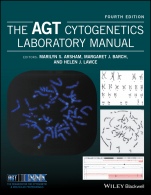
The AGT Cytogenetics Laboratory Manual
ISBN 9781119061229
Autor: Marilyn S. Arsham, Margaret J. Barch, Helen J. Lawce
Wydawca: Wiley
Dostępność: 3-6 tygodni
Cena: 1 126,65 zł
Przed złożeniem zamówienia prosimy o kontakt mailowy celem potwierdzenia ceny.
ISBN13: |
9781119061229 |
ISBN10: |
1119061229 |
Autor: |
Marilyn S. Arsham, Margaret J. Barch, Helen J. Lawce |
Oprawa: |
Hardback |
Rok Wydania: |
2017-04-21 |
Numer Wydania: |
4th Edition |
Ilość stron: |
1168 |
Wymiary: |
285x221 |
Tematy: |
TCBG |
Cytogenetics is the study of chromosome morphology, structure, pathology, function, and behavior. The field has evolved to embrace molecular cytogenetic changes, now termed cytogenomics.
Cytogeneticists utilize an assortment of procedures to investigate the full complement of chromosomes and/or a targeted region within a specific chromosome in metaphase or interphase. Tools include routine analysis of G–banded chromosomes, specialized stains that address specific chromosomal structures, and molecular probes, such as fluorescence in situ hybridization (FISH) and chromosome microarray analysis, which employ a variety of methods to highlight a region as small as a single, specific genetic sequence under investigation.
The AGT Cytogenetics Laboratory Manual, Fourth Edition offers a comprehensive description of the diagnostic tests offered by the clinical laboratory and explains the science behind them. One of the most valuable assets is its rich compilation of laboratory–tested protocols currently being used in leading laboratories, along with practical advice for nearly every area of interest to cytogeneticists. In addition to covering essential topics that have been the backbone of cytogenetics for over 60 years, such as the basic components of a cell, use of a microscope, human tissue processing for cytogenetic analysis (prenatal, constitutional, and neoplastic), laboratory safety, and the mechanisms behind chromosome rearrangement and aneuploidy, this edition introduces new and expanded chapters by experts in the field. Some of these new topics include a unique collection of chromosome heteromorphisms; clinical examples of genomic imprinting; an example–driven overview of chromosomal microarray; mathematics specifically geared for the cytogeneticist; usage of ISCN s cytogenetic language to describe chromosome changes; tips for laboratory management; examples of laboratory information systems; a collection of internet and library resources; and a special chapter on animal chromosomes for the research and zoo cytogeneticist. The range of topics is thus broad yet comprehensive, offering the student a resource that teaches the procedures performed in the cytogenetics laboratory environment, and the laboratory professional with a peer–reviewed reference that explores the basis of each of these procedures. This makes it a useful resource for researchers, clinicians, and lab professionals, as well as students in a university or medical school setting.
Reviews for the third edition: "A collection of protocols and explanations for cytogenetic techniques from the common to the peculiar."
"An excellent book. Looking forward to an updated version."
About the Editors
Marilyn Schaeffer Arsham, (retired) Dept of Pathology and Laboratory Medicine,
Danbury Hospital of Western Connecticut Health Network, USA
Margaret J. Barch, (formerly) Frank F Yen Cytogenetics Laboratory, Weisskopf Child Evaluation Center, University of Louisville, USA
Helen J. Lawce, Clinical Cytogenetics Laboratory, Oregon Health & Science University Knight Diagnostics Laboratory, USA
Contributing Authors
Preface
Acknowledgements
1. The Cell and Cell Division
Margaret J. Barch and Helen J. Lawce
1.1 The Cell
1.2 The Cell Cycle
1.3 Recombinant DNA Techniques
1.4 The Human Genome
References
2. Cytogenetics: An Overview
Helen J. Lawce and Michael G. Brown
2.1 Introduction
2.2 History of Human Cytogenetics
2.3 Cytogenetics Methods
2.4 Slide–Making
2.5 Chromosome Staining
2.6 Chromosome Microscopy/Analysis
References
Contributed Protocols
3. Peripheral Blood Cytogenetic Methods
Helen J. Lawce and Michael G. Brown
3.1 Using Peripheral Blood for Cytogenetic Analysis
3.2 Special Uses of Peripheral Blood Culture
3.3 Peripheral Blood Constituents
3.4 Special Handling
3.5 Cell Culture Equipment and Supplies
3.6 Harvesting Peripheral Blood Cultures
3.7 Chromosome Analysis of Peripheral Blood
3.8 Storage of Fixed Specimens
Acknowledgements
References
Contributed Protocols
4. General Cell Culture Principles and Fibroblast Culture
Debra F. Saxe, Kristin M. May and Jean H. Priest
4.1 Definitions of Cell Culture
4.2 Basic Considerations in Cell Culture
4.3 Fibroblast Culture
Glossary
References
Additional Readings
Contributed Protocols
5. Prenatal Chromosome Diagnosis
Kristin M. May, Debra F. Saxe and Jean H. Priest
5.1 Introduction
5.2 Amniotic Fluid
5.3 Culture of Amniotic Fluid
5.4 Analysis of Amniotic Fluid
5.5 Chorionic Villus Sampling (CVS)
5.6 Analysis of Chorionic Villus
References
Contributed Protocols
6. Chromosome Stains
Helen J. Lawce
6.1 Introduction
6.2 Chromosome Banding Methods
6.3 5 –bromodeoxyuridine (BrdU) Methodologies
6.4 T–Banding/CT–Banding
6.5 Antibody Banding and Restriction Endonuclease Banding
6.6 Destaining Slides
6.7 FISH DAPI Bands
6.8 Sequential Staining
6.9 Acknowledgements
References
Contributed Protocols
7. Human Chromosomes: Identification and Variations
Helen J. Lawce and Luke Boyd
7.1 Understanding the Basics
7.2 Description of Human Chromosome Shapes
7.3 Determination of G–Banded Chromosome Resolution
Glossary
References
8. ISCN: The Universal Language of Cytogenetics
Marilyn Schaeffer Arsham and Lisa G. Shaffer
8.1 The Language
8.2 Karyotype
8.3 Numerical Events
8.4 Structural Events
8.5 Derivative Chromosomes (der)
8.5.4 Multiple Events Derivative
8.6 Symbols of Uncertainty
8.7 Random Versus Reportable
8.8 Multiple Cell Lines
8.9 Fluorescence In Situ Hybridization (FISH)
8.10 Microarray (arr) and Region Specific Assay (rsa)
Conclusion
References
9. Constitutional Chromosome Abnormalities
Kathleen Kaiser–Rogers
9.1 Numerical Abnormalities
9.2 Structural Rearrangements
References
10. Genomic Imprinting
R. Ellen Magenis
10.1 Introduction
10.2 Human Genomic Disease and Imprinting
10.3 Germ Cell Tumors – UPD and Imprinting
References
Glossary of Terms
11. Cytogenetic Analysis of Hematologic Malignant Disease
Nyla Heerema
11.1 Introduction
11.2 Leukemia
11.3 B– and T–Cell Lymphoblastic Neoplasms
11.4 Lymphomas
11.5 Laboratory Practices
Acknowledgements
References
Glossary
Contributed Protocols
12. Cytogenetic Methods and Findings in Human Solid Tumors
Marilu Nelson
12.1 Introduction
12.2 Processing Tumor Specimens
12.3 Recurrent Cytogenetic Abnormalities
12.4 Molecular Genetics and Cytogenetics Techniques
Conclusion
References
Contributed Protocols
13. Chromosome Instability Syndromes
Yassmine Akkari
13.1 Introduction
13.2 Fanconi Anemia
13.3 Bloom Syndrome
13.4 Ataxia Telangiectasia
13.5 Nijmegen Breakage Syndrome
13.6 Immunodeficiency, Centromeric Instability, and Facial Anomalies (ICF) Syndrome
13.7 Roberts Syndrome]
13.8 Werner Syndrome
13.9 Rothmund–Thomson Syndrome]
13.10 Proficiency Testing]
Glossary]
References
Contributed Protocols
14. Microscopy and Imaging
Margaret J. Barch and Helen J. Lawce
14.1 The Standard Microscope
14.2 Brightfield Microscopy
14.3 Fluorescence Microscopy
14.4 Specialized Microscopy
14.5 Capturing the Microscopic Image
References
15. Computer Imaging
Christine E. Haessig
15.1 Introduction
15.2 Techniques to Improve Karyogram Image Quality
15.3 Metaphase Preparation
15.4 Microscopy
15.5 Image Capture
15.6 Enhancement
15.7 Advanced Contrast
15.8 Macro Programming
15.9 FISH Imaging
15.10 Printing
15.11 Quality Control
15.12 Archiving
References
16. Fluorescence in situ Hybridization (FISH)
Helen J. Lawce and Jeff Sanford
16.1 Introduction
16.2 Clinical Applications of FISH Probes
16.3 Deletion/Duplication Probes for Constitutional Abnormalities
16.4 Hematology/Oncology and Solid Tumor Probes
16.5 Sources and Characteristics of Probes Available to the Clinical Cytogenetics Laboratory
16.6 Special Uses of Probes
16.7 Important FISH Probe Adjuvants
16.8 Principles of FISH
16.9 FISH Methods An Overview
16.10 FISH Analysis and Reporting
16.11 FISH Probe Testing and Validation
16.12 FISH for Special Investigation
16.13 Preimplantation Genetic FISH
16.14 Other Applications
16.15 Variants in FISH Signal Patterns
Conclusion
Glossary
References
Contributed Protocols
17. Multicolor FISH (SKY and M–FISH) and CGH
Turid Knutsen
17.1 Introduction
17.2 Multicolor FISH (SKY/M–FISH)
17.3 Comparative Genomic Hybridization (CGH)
Conclusion
Acknowledgements
References
Contributed Protocols
18. Genomic Microarray Technologies for the Cytogenetics Laboratory
Bhavana J. Dave and Warren G. Sanger
18.1 Introduction
18.2 Applications
18.3 aCGH in a Cytogenetics Laboratory
Conclusion
Acknowledgements
Authors Note
Editors Note
References
19. Mathematics for the Cytogenetics Technologist
Patricia K. Dowling
19.1 General Concepts
19.2 Solutions
19.3 Statistical Tools
19.4 Using a Hemacytometer
19.5 Quantification and Purity Determination of DNA Using Spectroscopy
References
Additional Readings
20. Selected Topics on Safety, Equipment Maintenance, and Compliance for the Cytogenetics Laboratory
Helen Jenks and Janet Krueger
20.1 Introduction
20.2. Biological Hazard Safety
20.3 Chemical Safety
20.4 Fire Safety
20.5 Electrical Safety
20.6 Disaster Plan
20.7 Equipment Operation, Maintenance and Safety
20.8 Ergonomics
20.9 Regulatory Considerations
Acknowledgements
References
Contributed Protocols
21. A System Approach to Quality
Peggy J. Stupca and Sheryl A. Tran
21.1 Quality System
21.2. Process Management
21.3 Documents and Records
21.4 Assessments
21.5 Continual Improvement
References
Contributed Protocols
22. Laboratory Management
Mervat Ayad and Adam Sbeiti
22.1 Introduction
22.2 Management Concepts and Functions
22.3 Personnel Management
22.4 Quality Management and Control
22.5 Budget Development and Monitoring
Conclusion
References
Suggested Reading
23. Laboratory Information System
Peining Li and Richard Van Rheeden
23.1 Historical Perspective
23.2 General Description of LIS
23.3 LIS in Cytogenetics Laboratories
23.4 Trends for the Future LIS
Acknowledgements
References
24. Animal Cytogenetics
Marlys L. Houck, Teri L. Lear and Suellen J. Charter
24.1 Introduction
24.2 Domestic Animal Fertility
24.3 Captive Management
24.4 Wildlife Conservation
24.5 General Sample Collection Considerations
24.6 Fibroblast Cell Culture
24.7 Peripheral Blood Culture
24.8 Chromosome Analysis
24.9 Molecular and Comparative Cytogenetics
Acknowledgements
Glossary
References
Contributed Protocols
25. Online Genetic Resources & References
Wahab A. Khan
25.1 Resource Information
Koszyk
Książek w koszyku: 0 szt.
Wartość zakupów: 0,00 zł
Informacje


Kontakt
Gambit
Centrum Oprogramowania
i Szkoleń Sp. z o.o.
Al. Pokoju 29b/22-24
31-564 Kraków
Siedziba Księgarni
ul. Kordylewskiego 1
31-542 Kraków
+48 12 410 5991
+48 12 410 5987
+48 12 410 5989
Subskrypcje
Administratorem danych osobowych jest firma Gambit COiS Sp. z o.o. Na podany adres będzie wysyłany wyłącznie biuletyn informacyjny.
Autoryzacja płatności

Informacje na temat autoryzacji płatności poprzez PayU.

© Copyright 2012: GAMBIT COiS Sp. z o.o. Wszelkie prawa zastrzeżone.
Projekt i wykonanie: Alchemia Studio Reklamy