


Wydawcy
Katalog tematyczny
- Archeologia (109)
- Ekonomia, finanse, business (13704)
- Filozofia (1445)
- Historia (3040)
- Języki i językoznawstwo (2356)
- Lifestyle, hobby i rozrywka (475)
- Medycyna (9704)
- Nauki humanistyczne (4)
- Nauki o Ziemi i środowisku (2638)
- Nauki ścisłe (20412)
- Nauki społeczne (8486)
- Nauki techniczne (13450)
- Prawo (1696)
- Publikacje informacyjne i interdyscyplinarne (1288)
- Religia i wierzenia (917)
- Technika komputerowa (4067)
- Zdrowie, relacje międzyludzkie i rozwój osobisty (657)





Informacje szczegółowe o książce
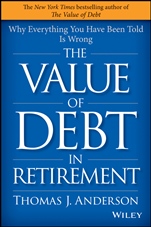
The Value of Debt in Retirement: Why Everything You Have Been Told Is Wrong
ISBN 9781119019985
Autor: Thomas J. Anderson
Wydawca: Wiley
Dostępność: 3-6 tygodni
Cena: 168,00 zł
Przed złożeniem zamówienia prosimy o kontakt mailowy celem potwierdzenia ceny.
ISBN13: |
9781119019985 |
ISBN10: |
1119019982 |
Autor: |
Thomas J. Anderson |
Oprawa: |
Hardback |
Rok Wydania: |
2015-04-24 |
Ilość stron: |
336 |
Wymiary: |
235x154 |
Tematy: |
KF |
LEARN HOW DEBT CAN ACTUALLY REDUCE YOUR RISK IN RETIREMENT!
Through a holistic, balanced approach, financial guru and bestselling author Tom Anderson shows how utilizing sound debt strategies can enable you to:
Increase Your Return Reduce Your Risk Lower Your Taxes
Throughout The Value of Debt in Retirement, you will also learn how to:
Help Your Children Assist Your Parents Be Better Prepared for Emergencies Enhance the Impact of Your Charitable Giving Fund Primary and Secondary Properties Refinance Credit Card Debt Finance Hobbies Leave a Greater Legacywww.TheValueOfDebtInRetirement.com
Foreword
Acknowledgments
Introduction
Part I: Basic Ideas and Core Concepts
Chapter 1: A Better Path
A Successful but Controversial Debut
The Fifth Indebted Strength
Who Can Benefit from this Book? Not Just Millionaires! (But TheyCan, Too)
Everyday Example # 1: Immediately Better Credit Card Debt
Getting Beyond the ABLF and Focusing on Retirement
Notes
Chapter 2: Debt in Retirement: Conventional Wisdom, Right andWrong
What Some Popular Retirement Books Get Right andWrong About Debt
The Good vs. Bad Debt Camp
Bach Where We Started: The Irresolutely Against Debt Camp
The (Very Small) Sometimes It s Okay to Have Debt Camp
Everyday Example # 2: A Bridge Loan over Troubled Quarters
Notes
Chapter 3: Why and Whether to Adopt a Holistic Debt–InclusiveApproach in Retirement
A First Look at the Three Main Types of Debt: Oppressive,Working, and Enriching
Seven Rules for Being a Better Debtor
In the Company of Longer Life Spans
Winging Your Way to a Successful Retirement: The Whole ChickenApproach
Everyday Example # 3: A Holistic Business Recipe for Success
Notes
Part II: The Power of DebtTM in Reducing Taxes,Increasing Return, and Reducing Risk
Chapter 4: Returning to the Return You Need
Cash Flow and Incoming Money: The Ultimate Key to ResourceManagement
You Have to Get Your Numbers Right!
Regardless of Your Net Worth: Distributions Are Rarely ConstantOver Time in Retirement
How Much Can You Safely Take Out?
How You May Be Able to Increase Your Rate of Return
How This Is Possible? A Big Picture Overview
Risks and Problems
Everyday Example # 4: Retiring the Loan Survivor
Notes
Chapter 5: The Power of DebtTM Meets Our RidiculousTax Code: $5.5 million net worth, $240,000 income and $4,000 intaxes!
Some Brief Preliminaries: Income vs. Incoming Money
The Websters: A Tale That Taxes the Imagination
Your De Facto Tax Advisor
An Inconvenient Truth
A Few More Examples: How to Pay Almost No Taxes in Retirement
Everyday Example # 5: Auto You Not Be Sure You AreGetting the Best Loan?
Notes
Chapter 6: Risk Matters More Than Return
Why Your Personal Risk Tolerance May Not Matter
A Simple Understanding of Risk
An Overview: What Time It Is
A Detailed Understanding: How the Watch Works
Proof that Debt Can Reduce Your Risk in Retirement
Everyday Example # 6: A Lot to Think About? Not Really.
Notes
Part III: How to Get There A Glide Path
Chapter 7: The World is Full of Risk Especially Now
Not Your Usual Serious Caution
Learning from What Companies Do Value Liquidity!
What about Interest Rate Risk? Fixed versus Floating RateDebt
Investment risks: It isn t the debt that matters itis the quality of your investment decisions!
Asset Allocation and Investment Considerations
A Six–Step Approach to Diversified Investing in Retirement
Lessons from Math and History Suggest Caution
Be careful what you watch!
My Opinions on Asset Allocation
Notes
Chapter 8: The Sooner the Better: Moving from Oppressive toWorking to Enriching Debt
Understanding the Implications of These Ideas on YourLife
Getting a Handle on Whether You Should Adopt a Strategic DebtApproach
The Want–Need–Have Matrix
Watch Those Ratios! A First Glide Path into Retirement
What if You Are Not Optimal Today?
Dying with Debt?
Final Mortgage Considerations
Notes
Chapter 9: Conclusion: Lots of Tricks and Tools
A Checklist Review
Brining It All Together A Strategic Debt Strategy inAction
A Last Word: The Value of Debt in Retirement
Notes
Part IV: Guides
Guide A: Leaving a Legacy
General Giving Philosophy
The Benefits of Giving While You re Working
Giving to Create Income
Notes
Guide B: Managing the ROI of Retirement
Retirement ROI : Resources, Inner Dynamics and OuterPragmatics
Retirement Is Coming: A Holistic Roadmap of the Territory BeforeYou Retire
Meta–Management against a Background of Accelerating Change
Staying Effective & Informed Over Time
Resource Management for the Long Haul
Partial Retirement/Partial Income
You Can Test Run Retirement
Real Estate, Small Business Ventures and Personal Guarantees
Medicare
Long–Term Care Insurance
Thoughts on Life Insurance
Reverse Mortgages
How You Should (or Should Not) Factor in Inheritance
Outer Pragmatics: Real World Concerns, Issues, and Details
Legal Planning
Medical Planning
Residency Planning
Life Planning
Inner Dynamics: Meaning, Purpose, and Pleasure in Retirement
Sharpening the Saw
Particular Considerations on Retirement and ROI forthe LGBT Community
Notes
Guide C: How to Help Your Family and Buy the Stuff You Want andNeed Reference Guide
Act Like a Company/Think Like a CFO
Principles When Financing the Purchase of a Desired Item
Managing Credit Card Debt
Helping Your Kids with Their Credit Card Debt
Helping Your Parents
Buying a Luxury Car
Buying a Boat/Airplane Art/Antiques/Jewelry, Paying for a DreamVacation, Financing a Hobby (Horseback Riding, Car Racing)
Paying for Fractional Ownership (Home/Plane/Boat)
Helping Out Our Kids and Student Loans
Homes: Downsizing/Moving/Building
Purchasing a Second Home: Pluses and Minuses
Rent versus Buy a Second Home
100 Percent Financing: The No Down Payment Real Estate PurchaseOption
Notes
Part V: Appendices
Appendix A: About BetterDebt.com A Resource for MoreInformation
Appendix B: Chapter 4 Detail
Understanding the Ideas of Chapter 4 with Charts and Tables
Notes
Appendix C: Chapter 5 Detail
Understanding RMDs
The Liger at Work Again
Understanding Cost Basis and a Step–up in Basis
More Detail on ABLF
Notes
Appendix D: Chapter 6 Detail – Withdrawal Rates inRetirement
Background: How the 4% rule came to life
The Difference between the Trinity Study and Bengen
Trinity Study Results
Trinity Study: Unfortunate Timing
Notes
Appendix E: A More Detailed Discussion on Risk, Return, andCorrelation
Notes
Appendix F: Risk Details and Official Statement of Disclosureand Understanding
Statement of Disclosure and Understanding
With Respect to ABLFs
Additional Important Notes
Notes
Glossary
Bibliography
About the Author
Index
THOMAS J. ANDERSON worked in investment banking in New York before moving into private wealth management. He has his MBA from the University of Chicago and a B.S.B.A. from Washington University in St. Louis. His extensive academic studies at some of the top schools in finance and economics, international experiences, and institutional background deliver a unique perspective on global markets.
He has been recognized as one of the top 40 advisors under 40 by On Wall Street magazine and four times by Barron′s magazine as one of America′s Top 1,000 Advisors: State by State. Tom lives in Chicago with his wife and three children.
Koszyk
Książek w koszyku: 0 szt.
Wartość zakupów: 0,00 zł
Informacje


Kontakt
Gambit
Centrum Oprogramowania
i Szkoleń Sp. z o.o.
Al. Pokoju 29b/22-24
31-564 Kraków
Siedziba Księgarni
ul. Kordylewskiego 1
31-542 Kraków
+48 12 410 5991
+48 12 410 5987
+48 12 410 5989
Subskrypcje
Administratorem danych osobowych jest firma Gambit COiS Sp. z o.o. Na podany adres będzie wysyłany wyłącznie biuletyn informacyjny.
Autoryzacja płatności

Informacje na temat autoryzacji płatności poprzez PayU.

© Copyright 2012: GAMBIT COiS Sp. z o.o. Wszelkie prawa zastrzeżone.
Projekt i wykonanie: Alchemia Studio Reklamy