


Wydawcy
Katalog tematyczny
- Archeologia (109)
- Ekonomia, finanse, business (13704)
- Filozofia (1445)
- Historia (3040)
- Języki i językoznawstwo (2356)
- Lifestyle, hobby i rozrywka (475)
- Medycyna (9704)
- Nauki humanistyczne (4)
- Nauki o Ziemi i środowisku (2638)
- Nauki ścisłe (20412)
- Nauki społeczne (8486)
- Nauki techniczne (13450)
- Prawo (1696)
- Publikacje informacyjne i interdyscyplinarne (1288)
- Religia i wierzenia (917)
- Technika komputerowa (4067)
- Zdrowie, relacje międzyludzkie i rozwój osobisty (657)





Informacje szczegółowe o książce
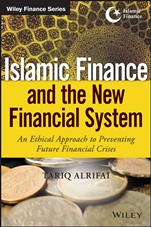
Islamic Finance and the New Financial System: An Ethical Approach to Preventing Future Financial Crises
ISBN 9781118990636
Autor: Tariq Alrifai
Wydawca: Wiley
Dostępność: 3-6 tygodni
Cena: 341,25 zł
Przed złożeniem zamówienia prosimy o kontakt mailowy celem potwierdzenia ceny.
ISBN13: |
9781118990636 |
ISBN10: |
1118990633 |
Autor: |
Tariq Alrifai |
Oprawa: |
Hardback |
Rok Wydania: |
2015-06-05 |
Ilość stron: |
256 |
Wymiary: |
231x159 |
Tematy: |
KF |
Praise for Islamic Finance and the New Financial System
"Islamic Finance and the New Financial System is a must–read for anyone who wants to understand how the most recent global financial crisis fits into a pattern of financial crises that have dogged the world for centuries. Tariq Alrifai examines the root causes of the recent crisis and explores ways in which Islamic financing techniques and instruments could be used to reduce the likelihood, duration and severity of future crises. For non–experts, the book includes a useful summary and explanation of Islamic financing terminology. For so serious a topic, the book is very readable and manages to convey a sense of optimism for the future."
Paul McNamara, Chief Executive, The Islamic Globe
"In the wake of the recent devastating economic cycle, Tariq Alrifai has written a book that gives us hope for the future. He contends that governments and central bankers must develop new ways of dealing with financial crises before it is too late. Using insightful analysis, he shifts our perspective of the historical workings of the world financial system by looking at it through the lens of Islamic Finance. Alrifai′s Islamic finance based, real–world solutions for financial reform will provide much needed clarity to global leaders as they struggle to understand and prevent the next big financial crisis."
Karen Hunt–Ahmed, Islamic Finance Professor; Editor of Contemporary Islamic Finance: Innovations, Applications and Best Practices
"This book is not only an excellent explanation of Islamic finance but explores an important facet of that financial system that could impact global financial markets. There is no question that the ethical approach offered by Islamic finance could have a beneficial influence towards helping to prevent future financial crises. It is the exploration of these areas which makes this book particularly valuable. Tariq Alrifai places his analysis in the context of the history money and banking from ancient times through the various world financial crises up to the present day with an excellent explanation of international agreements, their impact on currency systems and the eventual development of fiat currencies. His review of various financial crises since 1929, as well as the various actions governments took during those events to end those crises, is particularly useful. Most interesting is his description of the Dot–Com Bubble. He devotes an entire chapter to an insightful description of the 2008 financial crisis based on his personal experience on Wall Street at that time. His analysis concludes that another financial crisis is coming as a result of the very flawed measures that have established to solve the 2008 crisis. Alrifai follows with an excellent detailed description of Islamic finance, its foundations and practice with an emphasis on promoting trade and commerce in a fair and socially acceptable manner. The principles of a prohibition of interest and the sharing of risk are explained and well as the important concept of "riba" and usury. A description of the current status of Islamic finance, and more specifically banking in the Middle East, Asia and other parts of the world, is particularly useful. From my point of view one of the most valuable parts of the book explains how Islamic finance is aimed at promoting a level playing field for all investors by prohibiting such instruments as company shares with unequal voting rights. I found the author′s description of current misconceptions in the West towards Muslims, the development of terrorism and how those terrorists have been financed fascinating. At the end of the book the author gives cogent reasons why Islamic principles could have prevented the recent financial crises and other such crises by prohibiting debt replacing it with equity and eliminating derivatives or any other financial instrument based on speculation. It′s an excellent book and places Islamic finance in a modern and practical context."
Mark Mobius, Executive Chairman, Templeton Emerging Markets Group
Acknowledgments 000
About the Author 000
Introduction 000
Part I: Financial Crises and the Current Financial System
Chapter 1: A Brief History of Financial Systems and the Birth of Money 000
Chapter 2: Past Financial Crises and Their Causes 000
Chapter 3: The Global Financial Crisis of 2008 000
Chapter 4: Solutions Create More Problems 000
Chapter 5: The Next Financial Crisis and the New Financial System 000
PART II: The Islamic Financial System
Chapter 6: Overview and History of Islamic Finance 000
Chapter 7: The Key Principles of Islamic Finance 000
Chapter 8: Islamic Financial Instruments as Alternatives 000
Chapter 9: Criticisms, Shortcomings, and Misconceptions of Islamic Finance 000
Part III: The New Financial System
Chapter 10: Preventing Future Crises Real–World Solutions from Islamic Finance 000
Chapter 11: Evaluating Alternative Solutions 000
Conclusion 000
Notes 000
Index 000
TARIQ ALRIFAI has been involved in Islamic finance for more than 18 years. He is an active public speaker on Islamic finance around the world and a leading authority on Islamic funds and investment products. He has written for publications such as Euromoney Books and the Harvard University Forum on Islamic Finance, and was a contributing author of Contemporary Islamic Finance: Innovations, Applications and Best Practices, published in 2013. He is often quoted in print and electronic media, including the Financial Times, Bloomberg, Reuters, and CNBC Arabia.
Tariq was previously the Global Director of Islamic Indices at S&P Dow Jones Indices. He also served as Vice President of UIB Capital, a U.S.–based private equity firm. Prior to this, he was Vice President and Manager of HSBC Bank′s Islamic Finance Program in the United States. In 1996 Tariq founded Failaka Advisors, which was the first–ever organization to monitor and publish research on Islamic funds. Tariq holds an MBA from DePaul University in Chicago and a bachelor′s degree in international business from St. Cloud State University in Minnesota.
Koszyk
Książek w koszyku: 0 szt.
Wartość zakupów: 0,00 zł
Informacje


Kontakt
Gambit
Centrum Oprogramowania
i Szkoleń Sp. z o.o.
Al. Pokoju 29b/22-24
31-564 Kraków
Siedziba Księgarni
ul. Kordylewskiego 1
31-542 Kraków
+48 12 410 5991
+48 12 410 5987
+48 12 410 5989
Subskrypcje
Administratorem danych osobowych jest firma Gambit COiS Sp. z o.o. Na podany adres będzie wysyłany wyłącznie biuletyn informacyjny.
Autoryzacja płatności

Informacje na temat autoryzacji płatności poprzez PayU.

© Copyright 2012: GAMBIT COiS Sp. z o.o. Wszelkie prawa zastrzeżone.
Projekt i wykonanie: Alchemia Studio Reklamy