


Wydawcy
Katalog tematyczny
- Archeologia (109)
- Ekonomia, finanse, business (13704)
- Filozofia (1445)
- Historia (3040)
- Języki i językoznawstwo (2356)
- Lifestyle, hobby i rozrywka (475)
- Medycyna (9704)
- Nauki humanistyczne (4)
- Nauki o Ziemi i środowisku (2638)
- Nauki ścisłe (20412)
- Nauki społeczne (8486)
- Edukacja (229)
- Kryminologia, opieka spełeczna (284)
- Obronność (10)
- Polityka (1389)
- Psychologia (777)
- Socjologia (410)
- Społeczeństwo i kultura (187)
- Nauki techniczne (13450)
- Prawo (1696)
- Publikacje informacyjne i interdyscyplinarne (1288)
- Religia i wierzenia (917)
- Technika komputerowa (4067)
- Zdrowie, relacje międzyludzkie i rozwój osobisty (657)





Informacje szczegółowe o książce
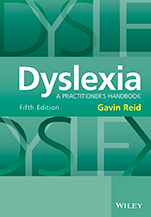
Dyslexia: A Practitioners Handbook
ISBN 9781118980040
Autor: Gavin Reid
Wydawca: Wiley
Dostępność: 3-6 tygodni
Cena: 465,15 zł
Przed złożeniem zamówienia prosimy o kontakt mailowy celem potwierdzenia ceny.
ISBN13: |
9781118980040 |
ISBN10: |
1118980042 |
Autor: |
Gavin Reid |
Oprawa: |
Hardback |
Rok Wydania: |
2016-03-18 |
Numer Wydania: |
5th Edition |
Ilość stron: |
502 |
Wymiary: |
254x180 |
Tematy: |
JD |
Now fully updated in its Fifth Edition, Gavin Reid s best–selling handbook remains an essential resource in the fields of education and literacy. As in previous editions, theoretical explanations and the latest research are linked with practical solutions for helping dyslexic individuals of all ages. The book focuses on inclusion and meeting the individual s need within the mainstream educational system, but also addresses options for specialized provision. Chapters cover the basics of dyslexia, assessment issues and approaches, needs identification, the acquisition of literacy, strategies for supporting learning, and more.
The Fifth Edition contains new coverage of multilingualism, the use of technology, co–existing conditions (including dyspraxia, dyscalculia, and ADHD), and positive dyslexia. It also adopts a more international focus by assembling the latest policies and best practices from around the world, including Asia, the Middle East, Canada, Australia, and Europe. Filled with practical suggestions, learning summaries, and helpful activities for readers, this comprehensive and accessible explanation of the latest debates and developments in dyslexia continues to inform and support practitioners and trainees in the field.
About the Author
Other Books by Gavin Reid
Foreword
Preface
Chapter 1 Defining Dyslexia
Defining Dyslexia
Purpose of Definitions
How Should We Define Dyslexia?
Definitions
Barriers to Implementing Policy
Rose Review and Dyslexia
Education for Learners with Dyslexia
Different Perspectives and Agenda
Chapter 2 Explaining Dyslexia: The Range of Research
Causal Modelling Framework
Genetic Factors
Neurobiological Factors
Visual and Temporal Processing
Magnocellular Visual System
Procedural Timing
Hemispheric Symmetry
Processing Speed
Phonological Processing
Phonological Awareness and Multisensory Programmes
Morphological Processing
Glue Ear
Cognitive Skills
Metacognition
Environmental Factors
Additional Language Learning
Dyslexia in Different Orthographies
Self–disclosure in Adults
Chapter 3 Assessment: Issues and Considerations
The Context
Assessment Aims
Discrepancy Criteria
Listening Comprehension
Componential Model of Reading
Curriculum Focus
Why an Assessment?
How the Assessment Process
Effect of an Assessment
Assessment Points to Consider
Some Other Considerations
Assessment and Inclusion
The Bilingual Learner
Chapter 4 Identifying Needs
The Context
Information Processing
Factors that can Prompt Concern
Linking Assessment with Intervention and Support
Key aspects of an IEP
The Overlap
Assessing Performances
Criteria: Summary
Whose Responsibility
Early Identification
Models of Identification
Expert/Intervention Attainment
Barriers to Learning
Whole–school Involvement
Chapter 5 Assessment: Approaches and Resources
The Use of Tests Points to Ponder
Cognitive Measures
Assessment of Processing Skills
Comprehensive Test of Phonological Processing (CTOPP)
Woodcock Reading Mastery Tests
Gray Oral Reading Tests (Gort–4)
Standardised/Psychometric Criteria
Standardisation
Psychometric
Wechsler Individual Achievement Test (WIAT)
Comment
Phonological Representation and Assessment
Screening
Curriculum Assessment
Miscue Analysis
Assessment in Context
Assessment for Learning
Metacognitive Assessment
Multiple Intelligences Approaches
A Components Approach
Observational Assessment
Observational Framework
Systematic Observation
Summary
Chapter 6 Reading Social, Cultural and Government Perspectives
The Social Context for Literacy
Literacy and Culture
Defining Literacy
Critical Literacy
Challenging Assumptions
Government Initiatives
Literacy Standards and International Comparisons
Pisa Study
Literacy Initiatives
Chapter 7 The Acquisition of Literacy
What is Reading?
Factors to Consider
Reading as a Process
Reading Skills
Reading Practice
Developing Reading Skills
Key Factors
The Development of Reading
Stages of Reading Development
Limitations of the Stage Model of Reading
Reading and Memory
Relationship between Phonology and Orthography
Dyslexia and Different Orthographies
Chapter 8 Reading Models and Methods
Bottom–Up and Top Down Models
Connectionist Models
Balance Model of Reading
Method of Teaching Reading
Developing Reading Skills
Teaching Reading the Debate
Reading Interventions
Methodological Issues in Reading Intervention Research
Factors to Consider in Developing and Using Reading Approaches
The Literacy Experience
Framework for Teaching
Summary
Chapter 9 The Acquisition of Literacy: Spelling
Why is Spelling Difficult?
Systems Involved in Spelling
Spelling Skills
Spelling Development
Spelling Policy
Spelling Strategies
Spelling Materials
Chapter 10 Expressive Writing
The Importance of Writing
Relationship between Writing and Spelling
Expressive Writing: The Process
Cognitive Skills Associated with Writing
Writing in the Curriculum
Developing Metacognitive Skills through Writing
Metacognitive Strategies for Writing
Strategies for Writing
Motivation and Writing
Planning
Pre–writing Framework
Developing Ideas
Handwriting
Summary
Chapter 11 Teaching Approaches: Points to Consider
The Context
Assessment and the Curriculum
The Learner
Programmes and Approaches Some Considerations
Over–learning
Principles
Issues
Chapter 12 Supporting Literacy: Individualised Programmes
Criteria for Selection
Orton Gillingham
Procedure
The Hickey Multisensory Language Course
Bangor Dyslexia Teaching System
Letterland
Reading Recovery
Toe By Toe: Multisensory Manual for Teachers and Parents
Alternative Approaches
Comment Issues to Consider
Chapter 13 Supporting Literacy: Approaches and Strategies
Phonics Instructional Approaches
Language Experience
Other Support Approaches
Phonological Approaches
High–interest Books History
Barrington Stoke
Start to Finish Books
Differentiated Texts
Visual Factors
Motor Aspects
Assisted Learning
Summary
Chapter 14 Supporting Learning
Effective Learning
Key Points About Learning
The Learning Process
Realising Potential
Zone of Proximal Development
Developing Learning Skills
Learning Strategies
Multiple Intelligences
Study Skills
Set Goals
Feedback
Memory Some Strategies
The Role of Self–esteem
Creativity and the Gifted Dyslexic Student
Summary
Chapter 15 Inclusion: Curriculum Access
The Context
Responding to the Diverse Needs of Students
The Challenges
Meeting Curriculum Objectives
Index for Inclusion
Tensions and Contradictions
Assessment, Need and Accountability
Removing Barriers to Achievement
Interventions and Inclusion
Making the School Inclusive
Equity
Principles of Inclusion
An Inclusive School
Healthy Schools
Supporting Inclusion
Staff Support and Training
Student Advocacy
Dyslexia and Self–advocacy
Staff Support
Key Factors
Chapter 16 Inclusion in Secondary Education: Accessing the Curriculum
Responsibility
Features of Secondary Schools
Differentiation and Curricular Development
Differentiation and Assessment
Subject Areas
Multiple Intelligences in Secondary Schools
Physical Education
Staff Development
Challenges: Key Areas
Chapter 17 Inclusion: Further and Higher Education and the Workplace
Further and Higher Education
The Workplace
Concluding Comment
Chapter 18 The Role of Parents
Parental Concerns
Parental Support
Parents Challenges
Parents as Partners
Chapter 19 Multilingualism: Challenges and Responses
Background and Context
Cultural Factors
Identification
Culture–fair assessment
Teaching
Key Principles
Metacognitive awareness/schema
Concluding points
Chapter 20 The Overlap Dyslexia: Attention, Coordination, Auditory Processing and Numeracy
Introduction
The Overlap Dilemma
Attention Issues
Identifying and Defining Attention Difficulties
Intervention
ADHD and Creativity
Coordination, Movement and Handwriting
Characteristics
Intervention Strategies 15 Tasks to Try
Handwriting
Dysgraphia Strategies
Early Intervention
Auditory Processing
Diagnosis and Overlap
Management of APD
Intervention
Difficulty with numbers
Introduction and definition
Reading in Mathematics
Diagnosing Dyscalculia
Intervention
Chapter 21 The Use of Computers and Technology
Introduction
Approaches using New Technology
Resources computer programmes
British Dyslexia Association New Technologies Committee
Chapter 22 Sunny side up Positive Dyslexia
The background
Five key factors
How dyslexia affects children s learning
Metacognition
Encourage creativity
Provide feedback to students about their own personal progress
Encourage self–assessment
Develop student responsibility
Enhancing creativity case study
Concluding comment
Appendix 1 Some tests for Dyslexia that can be used by teachers
Test of Phonological Awareness–Second Edition: PLUS (TOPA–2+)
Comprehensive Test of Phonological Processing (CTOPP)
Launch into Reading Success Test of Phonological Awareness
GORT–5: Gray Oral Reading Tests, Fifth Edition
TOWRE –2 Test of Word Reading Efficiency 2nd edition
WIST (Word Identification and Spelling Test)
DIBELS
Bangor Dyslexia Screening Test
Dyslexia Screening Test (DST–J) – Junior
Dyslexia Screening Test (DST–S) – Secondary
Dyslexia Screener Granada Learning
Cognitive Profiling System (CoPS Version 5.1 (2010))
Special Needs Assessment Profile (SNAP SpLD Version 3 and 3.5)
Special Needs Assessment Profile Behaviour (SNAP B)
Special Needs Assessment Profile SNAP together SNAP–B and SNAP–SpLD combined
Wechsler Individual Achievement Test (WIAT–II UK) for Teachers
Wechsler Individual Achievement Test (WIAT–III USA and Canada)
Phonological Assessment Battery revised (PhAB –2)
HAST–2 Helen Arkell Spelling Test
Wide Range Achievement Test (WRAT 4)
Wide Range Assessment of Memory and Learning, Second Edition
(WRAML– 2)
Test of Auditory Processing Skills – 3 (TAPS–3)
Appendix 2 Further Contacts
N. and S. America and Canada
Australia and New Zealand
Europe
Middle East
Asia
Africa
Other Websites
Organisations
Articles and Reviews about Dyslexia
Literacy
References
Index
Gavin Reid is an experienced teacher, psychologist and author, and the owner/director of Dr Gavin Reid Education Consultants Ltd. He was formerly Senior Lecturer in the Department of Educational Studies at the University of Edinburgh, UK, and Visiting Professor in the Department of Education and Counseling Psychology and Special Education at the University of British Columbia in Vancouver, Canada. He is a director of the Red Rose School in Lancashire, UK, and a director of Global Educational Consultancies (GEC) based in Cairo, Egypt. He is chair of the BDA accreditation board, an ambassador for the Helen Arkell Dyslexia Centre and a consultant to Institute for Child Education and Psychology Europe (ICEPE). He is the author and editor of 27 books, and has lectured to thousands of parents and professionals in 70 countries. His work has been recognized with several educational awards, many of his books are used as course texts throughout the UK and in other countries, and they have been translated into Italian, French, Polish and Croatian.
Koszyk
Książek w koszyku: 0 szt.
Wartość zakupów: 0,00 zł
Informacje


Kontakt
Gambit
Centrum Oprogramowania
i Szkoleń Sp. z o.o.
Al. Pokoju 29b/22-24
31-564 Kraków
Siedziba Księgarni
ul. Kordylewskiego 1
31-542 Kraków
+48 12 410 5991
+48 12 410 5987
+48 12 410 5989
Subskrypcje
Administratorem danych osobowych jest firma Gambit COiS Sp. z o.o. Na podany adres będzie wysyłany wyłącznie biuletyn informacyjny.
Autoryzacja płatności

Informacje na temat autoryzacji płatności poprzez PayU.

© Copyright 2012: GAMBIT COiS Sp. z o.o. Wszelkie prawa zastrzeżone.
Projekt i wykonanie: Alchemia Studio Reklamy