


Wydawcy
Katalog tematyczny
- Archeologia (109)
- Ekonomia, finanse, business (13704)
- Filozofia (1445)
- Historia (3040)
- Języki i językoznawstwo (2356)
- Lifestyle, hobby i rozrywka (475)
- Medycyna (9704)
- Nauki humanistyczne (4)
- Nauki o Ziemi i środowisku (2638)
- Nauki ścisłe (20412)
- Nauki społeczne (8486)
- Nauki techniczne (13450)
- Budownictwo lądowe (1045)
- Chemia przemysłowa (2258)
- Elektronika i telekomunikacja (3287)
- Energetyka (1122)
- Inne nauki stosowane (363)
- Inżynieria biochemiczna (507)
- Inżynieria transportu (232)
- Mechanika i materiały (3316)
- Nauka o środowisku (321)
- Rolnictwo (507)
- Technika, ogólnie (475)
- Prawo (1696)
- Publikacje informacyjne i interdyscyplinarne (1288)
- Religia i wierzenia (917)
- Technika komputerowa (4067)
- Zdrowie, relacje międzyludzkie i rozwój osobisty (657)





Informacje szczegółowe o książce
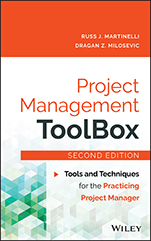
Project Management ToolBox: Tools and Techniques for the Practicing Project Manager
ISBN 9781118973127
Autor: Russ J. Martinelli, Dragan Z. Milosevic
Wydawca: Wiley
Dostępność: 3-6 tygodni
Cena: 368,55 zł
Przed złożeniem zamówienia prosimy o kontakt mailowy celem potwierdzenia ceny.
ISBN13: |
9781118973127 |
ISBN10: |
1118973127 |
Autor: |
Russ J. Martinelli, Dragan Z. Milosevic |
Oprawa: |
Hardback |
Rok Wydania: |
2016-03-15 |
Numer Wydania: |
2nd Edition |
Ilość stron: |
480 |
Wymiary: |
238x164 |
Tematy: |
TG |
Easy and Practical Tools for Today′s Projects!
The second edition of Project Management ToolBox offers a comprehensive and accessible volume for understanding when, where, and how to use the most effective project management resources. Revised and updated, the second edition reflects recent advances in tools that support project planning, execution, and closure. This must–have resource provides a dynamic set of tools and techniques and explains each tool′s purpose and intention, development, customization, and variations, as well as benefits and common usage.
Leverage customizable documentation and checklists to enhance your project management skills on the job Maximize problem solving and decision making processes by implementing tools and templates customized to project size or type Enable stronger alignment between business strategy and project execution, between strategic goals and project deliverables, and between the work of senior leaders and project managers Explore emerging topics including change management, governance, risk management, and agile project management Access updated case examples from high growth industries like IT, Construction, High–technology, and Healthcare Implement handy tips, tricks, and cross references to PM Standards (PMBOK® and PRINCE2) and terminologyProject Management ToolBox helps professionals and students alike stay abreast of the latest changes in this ever–evolving field.
Part I
1 Introduction to the PM Toolbox
Enabling Business and Project Strategy
PM Methodologies and Processes
Constructing and Adapting a Project Management Toolbox
Secure Strategic Alignment
Customize the PM Toolbox
Continuously Improve the PM Toolbox
References
Part II
2 Project Selection
The Benefits Map
Enabling Benefits Management
Developing a Benefits Map
Using a Benefits Map
Variations
Benefits
Economic Methods
Payback Time
Net Present Value
Internal Rate of Return
Using Economic Methods
Benefits of Economic Methods
Scoring Models
Developing a Scoring Model
Using a Scoring Model
Benefits
Voting Models
Developing a Voting Model
Using the Voting Model
Benefits
Pairwise Ranking
Developing a Pairwise Ranking Tool
Using the Pairwise Ranking Matrix
Benefits
The Alignment Matrix
Developing the Alignment Matrix
Variations
Benefits
References
3 Project Initiation
Checklist Questions for Project Initiation
Developing a Checklist Questions for Project Initiation
Using the Checklist Questions
The Goals Grid
Developing a Goals Grid
Using the Goals Grid
Benefits
Responsibility Matrix
Developing a Reponsibility Matrix
Using the Responsibility Matrix
Benefits
Complexity Assessment
Developing the Complexity Assessment
Using the Complexity Assessment
Benefits
The Project Business Case
Developing the Project Business Case
Using the Project Business Caase
Benefits
The Project Charter
Developing a Project Charter
Using a Project Charter
Variations
Benefits
References
Part III
4 Project Requirements
The Elicitation Plan
Developing an Elicitation Plan
Using the Elicitation Plan
Benefits
Requirements Specification
Specifying a Requirement Using Planguage
Using the Requirements Specificiation
Benefits
Product Requirements Document
Developing a Product Requirements Document
Using the PRD
Benefits
Requirements Ambiguity Checklist
Using the Requirements Ambiguity Checklist
Benefits
Requirements Baseline
Establishing a Requirements Baseline
Establish a Requirements Change Board
Benefits
References
5 Scope Planning
Project SWOT Analysis
Performing a Project SWOT Analysis
Using a Project SWOT Analysis
Benefits
Scope Statement
Developing a Scope Statement
Using a Scope Statement
Variations
Benefits
Work Breakdown Structure
Constructing a Project WBS: A Top–Down Approach
Establish the WBS Level of Detail
Constructing a Project WBS: A Bottom–up Approach
Using the WBS
Benefits
The Product Breakdown Structure
Constructing a Product Breakdown Structure
Using the PBS
Benefits
References
6 Schedule Development
Gantt Chart
Developing a Gantt Chart
Using the Gantt Chart
Benefits
The Milestone Chart
Developing a Milestone Chart
Using the Milestone Chart
Benefits
Critical Path Method Diagram
Constructing a CPM Diagram
Using the CPM Diagram
Benefits
Variations
Time–Scaled Arrow Diagram
Developing a TAD
Using a TAD
Benefits
Critical Chain Schedule
Developing a Critical Chain Schedule
Using the Critical Chain Schedule
Benefits
The Hierarchical Schedule
Constructing a Hierarchical Schedule
Using a Hierarchical Schedule
Benefits
Line of Balance
Developing a Line of Balance Schedule
Using the LOB
Benefits
Choosing Your Scheduling Tools
References
7 Cost Planning
Cost Planning Map
Analogous Estimate
Parametric Estimate
Developing Parametric Estimates
Using Parametric Estimates
Benefits
Bottom–up Estimate
Developing Bottom–up Estimates
Using Bottom–up Estimates
Benefits
The Cost Baseline
Developing a Cost Baseline
Using the Cost Baseline
Benefits
Choosing a Cost Planning Tool
References
Part IV
8 Scope Management
Project Scope Control System
Establishing a Project Scope Control System
Using the Project Scope Control System
Benefits
Project Change Request
Developing a Project Change Request
Using the Project Change Request
Benefits
Project Change Log
Developing a Project Change Log
Using the Project Change Log
Benefits
Scope Control Decision Checklist
References
9 Schedule Management
The Burn Down Chart
Developing the Burn Down Chart
Using the Burn Down Chart
Benefits
Slip Chart
Developing the Slip Chart
Using the Slip Chart
Benefits
Buffer Chart
Developing the Buffer Chart
Using the Buffer Chart
Benefits
The Jogging Line
Constructing a Jogging Line
Using the Jogging Line
Variations
Benefits
Milestone Prediction Chart
Constructing the Milestone Prediction Chart
Using the Milestone Prediction Chart
Benefits
B–C–F Analysis
Performing the B–C–F Analysis
Using the B–C–F Analysis
Benefits
Schedule Crashing
Performing Schedule Crashing
Using Schedule Crashing
Benefits
Choosing Your Schedule Management Tools
References
10 Cost Management
Cost Management Plan
Developing the Cost Management Plan
Using the Cost Management Plan
Budget Consumption Chart
Developing the Budget Consumption Chart
Using the Budget Consumption Chart
Variations
Benefits
Earned Value Analysis
Performing Earned Value Analysis
Using Earned Value Analysis
Variations
Benefits
Milestone Analysis
Performing a Milestone Analysis
Using the Milestone Analysis
Benefits
Choosing Your Cost Management Tools
References
11 Agile Project Execution
Contributed by
Peerasit Patanakul
James Henry
Jeffrey A. Leach
Scrum Basics
Product Backlog and Sprint Backlog
Information on the Backlogs
Populating Backlogs
Release Planning
The Release Planning Event
Initial Draft Release Plan
Final Release Plans
HIP Sprint
Release Planning versus Sprint Planning
The Daily Scrum Meeting
Organizing a Daily Scrum Meeting
Sprint Task Board
Using the Sprint Task Board
Benefits
Sprint Burn Down Chart
Developing a Sprint Burn Down Chart
Using a Sprint Burn Down Chart
Benefits
Sprint Retrospective Meeting
Organizing a Sprint Retrospective Meeting
Using a Sprint Retrospective Meeting
Benefits
Concluding Remarks
References
Part V
12 Performance Reporting
Project Reporting Checklist
Developing the Project Reporting Checklist
Using the Project Reporting Checklist
Benefits
Project Strike Zone
Developing the Project Strike Zone
Using the Project Strike Zone
Benefits
Project Dashboard
Designing a Project Dashboard
Using the Project Dashboard
Benefits
Summary Status Report
Developing a Summary Status Report
Using the Summary Status Report
Benefits
The Project Indicator
Developing the Project Indicator
Using the Project Indicator
Variations
Benefits
Choosing Your Reporting Tools
References
13 Project Closure
Contributed by Tim Rahschulte, PhD
Understanding Project Closure
Project Closing Activities
Project Closure Plan and Checklist
Developing the plan and checklist
Using the Closure Plan and Checklist
Benefits
Project Closure Report
Developing the Project Closure Report
Using the Project Closure Report
Benefits
Postmortem Review
Conducting the Postmortem Review
Using the Postmortem Review
Variations
Benefits
Concluding Remarks
References
Part VI
14 Managing Project Risk
Risk Management Plan
Developing a Risk Management Plan
Using the Risk Management Plan
Benefits
The Risk Identification Checklist
Developing a Risk Identification Checklist
Using a Risk Identification Checklist
Benefits
The Risk Register
Creating a Risk Register
Using the Risk Register
Benefits
Risk Assessment Matrix
Developing a Risk Assessment Matrix
Using the Risk Assessment Matrix
Variations
Benefits
Monte Carlo Analysis
Performing a Monte Carlo Analysis
Using the Monte Carlo Analysis
Benefits
Decision Tree
Analyzing the Decision Tree
Using Decision Trees
Benefits
The Risk Dashboard
Developing the Risk Dashboard
Using the Risk Dashboard
Benefits
Choosing Your Risk Management Tools
References
15 Influencing Project Stakeholders
Stakeholder Management Plan
Developing a Stakeholder Management Plan
Using the Stakeholder Management Plan
Benefits
Stakeholder Map
Developing a Stakeholder Map
Using the Stakeholder Map
Benefits
Stakeholder Analysis Table
Developing a Stakeholder Analysis Table
Using the Stakeholder Analysis Table
Benefits
Stakeholder Evaluation Matrix
Developing a Stakeholder Evaluation Matrix
Using the Stakeholder Evaluation Matrix
Variations
Benefits
Stakeholder Strategy Matrix
Developing a Stakeholder Strategy Matrix
Using the Stakeholder Strategy Matrix
Benefits
Choosing Your Stakeholder Management Tools
References
RUSS J. MARTINELLI has served as a program manager at Intel, Loral, and Lockheed Martin, and is a founder of the Program Management Academy. He also provides training and consulting services to companies in both the for–profit and non–profit sectors.
DRAGAN Z. MILOSEVIC, PHD, PMP, has been an Associate Professor of Engineering and Technology Management at Portland State University (Oregon), a consultant and trainer, and has conducted seminars in many parts of the world. He is the author of multiple books and dozens of papers on the subject of project management.
Koszyk
Książek w koszyku: 0 szt.
Wartość zakupów: 0,00 zł
Informacje


Kontakt
Gambit
Centrum Oprogramowania
i Szkoleń Sp. z o.o.
Al. Pokoju 29b/22-24
31-564 Kraków
Siedziba Księgarni
ul. Kordylewskiego 1
31-542 Kraków
+48 12 410 5991
+48 12 410 5987
+48 12 410 5989
Subskrypcje
Administratorem danych osobowych jest firma Gambit COiS Sp. z o.o. Na podany adres będzie wysyłany wyłącznie biuletyn informacyjny.
Autoryzacja płatności

Informacje na temat autoryzacji płatności poprzez PayU.

© Copyright 2012: GAMBIT COiS Sp. z o.o. Wszelkie prawa zastrzeżone.
Projekt i wykonanie: Alchemia Studio Reklamy