


Wydawcy
Katalog tematyczny
- Archeologia (109)
- Ekonomia, finanse, business (13704)
- Filozofia (1445)
- Historia (3040)
- Języki i językoznawstwo (2356)
- Lifestyle, hobby i rozrywka (475)
- Medycyna (9704)
- Nauki humanistyczne (4)
- Nauki o Ziemi i środowisku (2638)
- Nauki ścisłe (20412)
- Nauki społeczne (8486)
- Nauki techniczne (13450)
- Prawo (1696)
- Publikacje informacyjne i interdyscyplinarne (1288)
- Religia i wierzenia (917)
- Technika komputerowa (4067)
- Zdrowie, relacje międzyludzkie i rozwój osobisty (657)





Informacje szczegółowe o książce
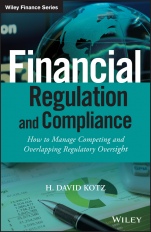
Financial Regulation and Compliance: How to Manage Competing and Overlapping Regulatory Oversight + Website
ISBN 9781118972212
Autor: H. David Kotz
Wydawca: Wiley
Dostępność: 3-6 tygodni
Cena: 248,85 zł
Przed złożeniem zamówienia prosimy o kontakt mailowy celem potwierdzenia ceny.
ISBN13: |
9781118972212 |
ISBN10: |
111897221X |
Autor: |
H. David Kotz |
Oprawa: |
Hardback |
Rok Wydania: |
2015-08-14 |
Ilość stron: |
256 |
Wymiary: |
234x163 |
Tematy: |
KF |
Devise an Organized and Proactive Approach to Financial Compliance
"The financial regulatory system has been modified to address various sources of potential financial instability and attempt to provide regulation and a structure for areas with purported regulatory gaps. With each new crisis, efforts are made to address perceived weaknesses in the regulatory system. The result is a complex regulatory system in which federal agencies have overlapping jurisdictions."
From Chapter 1
Financial Regulation and Compliance offers compliance officers and organization leaders a step–by–step guide for managing overlapping and new regulatory responsibilities. David Kotz (a former Inspector General of the SEC), with support from leading expert contributors, includes the information and strategies needed for understanding and applying the numerous regulations that have been enacted since the most recent global financial crisis.
Comprehensive in scope, the book and companion website reveal how an organization can strengthen internal compliance and governance programs and defend from SEC, CFTC, FINRA, and NFA enforcement actions. The text also reveals how to best prepare for SEC, FINRA, and NFA regulatory examinations.
Kotz includes vital information for handling the increasing volume of whistleblower events and shows what it takes to effectively address these complaints. He also provides advice on how to reduce FCPA exposure and implement effective ethics policies and procedures. This detailed discussion of the regulatory process explains how to best deal with federal agencies and self–regulatory organizations and cautions how commenting on issues that affect a business area can be either productive or counterproductive.
In addition, the book is filled with fascinating stories and anecdotes from the high–profile investigations the author conducted while serving as Inspector General of the SEC, including his investigation of Bernard Madoff′s $50 billion Ponzi scheme.
With Financial Regulation and Compliance as your hands–on guide, you will be able to successfully navigate the turbid waters currently faced by global compliance professionals.
Foreword
Preface
Acknowledgments
About the Author
Chapter 1: Jurisdiction of Regulators Who Regulates Whom and What
1.1 Federal Financial Regulatory Structure
1.2 The Securities and Exchange Commission (SEC)
1.3 The Financial Industry Regulatory Authority (FINRA)
1.4 The Commodity Futures Trading Commission (CFTC)
1.5 The National Futures Association (NFA)
1.6 The Department of Justice (DOJ)
1.7 Recent Regulatory Failures to Uncover Fraud
1.8 Expert Advice on Overlapping Regulations
Chapter 2: How to Strengthen Governance and Compliance in Light of New Regulations
2.1 Dodd–Frank Act s Impact on Governance and Compliance
2.2 Managing Executive Compensation
2.3 Creating Effective Policies and Procedures
2.4 Ensuring Accountability within an Organization
2.5 Red Flags of an Unethical Culture
2.6 Ethical Decision–Making
Chapter 3: How to Manage Whistleblowers Complaints
3.1 Oversight and Failures of the SEC s Whistleblower Program
3.2 The Dodd–Frank Act s Restructuring of the SEC s Whistleblower Program
3.3 Whistleblower Complaints to the SEC since the Restructuring of its Program
3.4 The CFTC s New Whistleblower Program
3.5 Significant U.S. Supreme Court Decision on Whistleblower Complaints
3.6 Managing Complaints Brought to Internal Compliance Officials
3.7 Putting Appropriate Whistleblower Policies and Procedures in Place
3.8 Effect of the SEC and CFTC s New Whistleblower Programs
Chapter 4: How to Defend SEC Examinations
4.1 SEC Authority to Conduct Examinations
4.2 SEC s Office of Compliance Inspections and Examinations (OCIE)
4.3 Types of SEC OCIE Exams
4.4 Preparation for the Exams
4.5 Process of Examinations
4.6 How the SEC Exam Concludes
4.7 SEC OCIE Examination Trends
4.8 Not Underestimating the SEC Examiners
Chapter 5: How to Defend FINRA Examinations
5.1 FINRA Qualification Standards and Rules and Regulations
5.2 FINRA s Risk–Based Approach
5.3 FINRA s Regulatory and Examination Priorities
5.4 Differences between FINRA and SEC Exams
5.5 Types of FINRA Exams
5.6 Conduct of FINRA Exams
5.7 How the FINRA Exam Concludes
5.8 Educating the FINRA Examiners
Chapter 6: How to Defend an NFA Examination
6.1 Types of Entities under the Jurisdiction of the NFA
6.2 Impact of the Dodd–Frank Act
6.3 NFA Examination Process
6.4 Preparing for an NFA Exam
6.5 Length and Conduct of the NFA Exam
6.6 How the NFA Exam Concludes
6.7 CFTC Examinations
6.8 Focusing on Strict Compliance with the Regulations
Chapter 7: How to Defend SEC Enforcement Actions
7.1 SEC s Law Enforcement Function
7.2 How SEC Enforcement Actions Are Triggered
7.3 Commencement of an SEC Enforcement Action
7.4 Converting the Inquiry to a Formal Investigation
7.5 Discovery Conducted by the SEC
7.6 The SEC Enforcement s Wells Process
7.7 Use of Experts in SEC Enforcement Proceedings
7.8 Settlement Discussions
7.9 Trends in SEC Enforcement
7.10 Minimizing Exposure in an SEC Enforcement Case
Chapter 8: How to Defend FINRA Enforcement Actions
8.1 FINRA Disciplinary Actions
8.2 FINRA Enforcement Process
8.3 FINRA s Formal Proceeding
8.4 Challenges of FINRA Enforcement Process
8.5 Conduct of the FINRA Hearing
8.6 Settlement Possibilities
8.7 Disciplinary Sanctions Available to FINRA
8.8 Right to Appeal Decision of Hearing Panel
8.9 Recent Trends in FINRA Enforcement
8.10 Mounting an Aggressive Defense
Chapter 9: How to Defend CFTC Enforcement Actions
9.1 Increased Aggressiveness on the Part of CFTC Enforcement
9.2 Types of Enforcement Actions Brought by the CFTC
9.3 Triggers for CFTC Enforcement Actions
9.4 CFTC Enforcement Process
9.5 Differences between CFTC and SEC Enforcement Proceedings
9.6 The CFTC Wells Process
9.7 CFTC Enforcement s Use of Experts
9.8 Settlement Discussions
9.9 CFTC Enforcement s Use of Administrative Proceedings
9.10 Trends in CFTC Enforcement
9.11 Flawed Assumptions about CFTC Enforcement Process
9.12 Strategies for CFTC Enforcement Cases
Chapter 10: How to Defend NFA Enforcement Actions
10.1 NFA Disciplinary Actions
10.2 How Complaints Are Triggered
10.3 Investigative Process
10.4 Settlement
10.5 The Hearing Panel and Hearing Committee
10.6 Conduct of the Hearing
10.7 Written Decision after the Hearing
10.8 Appeal of an Adverse Decision
10.9 The MRA Procedure
10.10 Types of Penalties Assessed by the NFA
10.11 Number and Types of Disciplinary Actions
10.12 Trends in NFA Enforcement
10.13 Preparing a Defense
Chapter 11: How to Participate in the Regulatory Comment Process
11.1 Dodd–Frank Rulemaking
11.2 SEC Rulemaking Process
11.3 Candidates for Comments
11.4 Role of Trade Association in Comment Process
11.5 Content of the Comment Letter
11.6 Approaches to an Effective Comment Letter
11.7 Significance of the Economic Impact of Proposed Regulations
11.8 Requesting Meetings with Agency Officials
11.9 Submitting Comments after the Deadline
11.10 Learning about Rulemakings
11.11 Assistance from Outside Counsel
Chapter 12: How to Defend FCPA claims
12.1 FCPA Provisions
12.2 FCPA Enforcement Authority
12.3 Violations of the FCPA
12.4 Penalties for Violating the FCPA
12.5 FCPA Exemptions
12.6 DOJ/SEC Guidance
12.7 The U.K. Bribery Act
12.8 Devising Effective Compliance Programs
12.9 Training on Compliance Standards
12.10 Achieving a Culture of Compliance
12.11 Risk–based Due Diligence and Monitoring
12.12 Conducting FCPA Compliance Assessments
12.13 Importance of Risk Assessment
12.14 Management of Third Parties
12.15 Conducting Due Diligence on Acquisition Targets
12.16 The Triggers for an FCPA Enforcement Action
12.17 Self–disclosing Violations
12.18 Reducing Exposure
Chapter 13: How to Conduct Internal Investigations
13.1 Limiting Exposure through Effective Internal Investigations
13.2 Lessons Learned from High–profile Investigations
13.3 Commencing the Internal Investigation
13.4 Retaining an Outside Investigator
13.5 Initial Steps of Investigation Process
13.6 Methods of Obtaining Information
13.7 Collecting Documents
13.8 Strategies for Conducting Interviews
13.9 Briefing Management during an Investigation
13.10 Drafting the Investigative Report
13.11 Incorporating Recommendations for Improvement
13.12 Protecting Files Associated with Internal Investigation
13.13 Retaining the Investigative Report
Chapter 14: Conclusion
14.1 Overlapping Jurisdictions after the Dodd–Frank Act
14.2 Regulatory Failures Post–Financial Crisis
14.3 Improving of Coordination between Regulatory Agencies
14.4 Understanding the Regulatory Climate
Index
H. DAVID KOTZ serves as a Managing Director at Berkeley Research Group (BRG), an international expert services and consulting firm that offers independent expert testimony, litigation and regulatory support, authoritative studies, strategic advice, and document and data analytics. At BRG, Kotz focuses on internal investigations and consults with and provides expert testimony on the regulation of and securities trading by broker–dealers, investment advisers, hedge funds, insurance companies and banks. He also serves as a compliance monitor for firms that have entered into deferred prosecution agreements and similar arrangements with government agencies. Previously, Kotz served as the Inspector General of the Securities and Exchange Commission (SEC).
Koszyk
Książek w koszyku: 0 szt.
Wartość zakupów: 0,00 zł
Informacje


Kontakt
Gambit
Centrum Oprogramowania
i Szkoleń Sp. z o.o.
Al. Pokoju 29b/22-24
31-564 Kraków
Siedziba Księgarni
ul. Kordylewskiego 1
31-542 Kraków
+48 12 410 5991
+48 12 410 5987
+48 12 410 5989
Subskrypcje
Administratorem danych osobowych jest firma Gambit COiS Sp. z o.o. Na podany adres będzie wysyłany wyłącznie biuletyn informacyjny.
Autoryzacja płatności

Informacje na temat autoryzacji płatności poprzez PayU.

© Copyright 2012: GAMBIT COiS Sp. z o.o. Wszelkie prawa zastrzeżone.
Projekt i wykonanie: Alchemia Studio Reklamy