


Wydawcy
Katalog tematyczny
- Archeologia (109)
- Ekonomia, finanse, business (13704)
- Filozofia (1445)
- Historia (3040)
- Języki i językoznawstwo (2356)
- Lifestyle, hobby i rozrywka (475)
- Medycyna (9704)
- Nauki humanistyczne (4)
- Nauki o Ziemi i środowisku (2638)
- Nauki ścisłe (20412)
- Nauki społeczne (8486)
- Nauki techniczne (13450)
- Prawo (1696)
- Publikacje informacyjne i interdyscyplinarne (1288)
- Religia i wierzenia (917)
- Technika komputerowa (4067)
- Zdrowie, relacje międzyludzkie i rozwój osobisty (657)





Informacje szczegółowe o książce
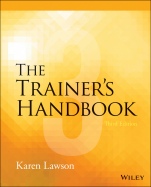
The Trainers Handbook
ISBN 9781118933138
Autor: Karen Lawson
Wydawca: Wiley
Dostępność: 3-6 tygodni
Cena: 313,95 zł
Przed złożeniem zamówienia prosimy o kontakt mailowy celem potwierdzenia ceny.
ISBN13: |
9781118933138 |
ISBN10: |
1118933133 |
Autor: |
Karen Lawson |
Oprawa: |
Paperback |
Rok Wydania: |
2016-02-09 |
Numer Wydania: |
4th Edition |
Ilość stron: |
384 |
Wymiary: |
252x180 |
Tematy: |
KM |
THE REVISED AND UPDATED ESSENTIAL TRAINER′S RESOURCE!
The Trainer′s Handbook is the classic resource trainers internal or external, full–time or part–time have come to rely on for designing, developing, and delivering effective and memorable training. It offers a comprehensive and systematic approach to developing training skills and competencies. Thoroughly revised and updated, this fourth edition addresses the increasing demands on learning and development professionals as they grapple with issues of globalization, rapidly changing technology, and a more sophisticated and diverse group of learners that has changed the way knowledge and skills are transferred to the workplace. This new edition includes expanded information on cultural differences, reveals how differences impact training, and suggests tips and techniques for training across cultures. Training in tough economic times receives special consideration and the text also explores storytelling as a leadership and training tool. And because today′s trainers are called upon to deliver training in many ways, the text also includes a structured, efficient approach to on–the–job training.
Designed as a practical resource, The Trainer′s Handbook is filled with helpful checklists, forms, and specific activities that can be put to use right now to design, develop, and deliver your own exceptional training programs. In addition, the book′s website makes it a snap to print the tables and exhibits that are included in the text.
Filled with the knowledge and a proven framework The Trainer′s Handbook gives you the power to deliver useful information in an accessible way and create specialized instructional plans for groups, distance learning, and active training programs.
List of Tables, Exhibits, and Figures
Acknowledgments
Preface
Part I Training Fundamentals
1. Assessing Needs
Learning Outcomes
Understanding Needs Assessment
Needs–Assessment Process
How to Conduct a Needs Assessment
Developing an Action Plan
Assessing Participants Knowledge, Attitudes, Skills
Key Points
2. Understanding Adult Learners
Learning Outcomes
Andragogical versus Pedagogical
How and Why People Learn
Learning Styles
Application of Learning Principles
Key Points
3. Training Styles
Learning Outcomes
Trainer Characteristics and Competencies
Training Style
Learner–Centered versus Information–Centered
Key Elements of a Trainer′s Style
Key Points
4. Understanding Today s Learner
Learning Outcomes
The Changing Training Environment
Self–Awareness
Diversity Issues
Key Points
5. Writing Instructional Objectives
Learning Outcomes
What Are Learning Objectives?
Writing Learning Outcomes
Key Points
6. Writing an Instructional Plan
Learning Outcomes
Instructional Plan Overview
Creating a Design Matrix
Creating a Detailed Instructional Plan
Instructional Methods
Developing Materials
Key Points
7. Selecting, Designing, and Developing Active–Training Methods
Learning Outcomes
The Case for Active Training
Cooperative Learning
Creating an Active–Learning Environment
Designing Active–Training Activities
Common Methods and Materials
Alternatives to Lecture
Experiential Learning Activities
Key Points
8. Delivering Training
Learning Outcomes
Creating a Positive Learning Environment
Experiential Learning Cycle
Tips for Using Specific Methods
Improving Platform Presence
Key Points
9. Using Visual Aids
Learning Outcomes
Retention Rate in Visual Learning
Reasons to Use Visual Aids
Guidelines for Using Visual Aids
Using Flip Charts
Using Videos and Video Clips
Key Points
10. Working with Groups
Learning Outcomes
The Trainer as Facilitator
Ways to Encourage Participation
The Art of Asking Questions
Responding to Questions
Scaling the Wall of Resistance
Problem Situations
Key Points
11. Using Creativity
Learning Outcomes
Creativity with Small Groups
Props and Other Theatrical Techniques
Using Games
Creative Closings
Key Points
12. Evaluating Training
Learning Outcomes
Evaluation Basics
Four–Level Model for Training Evaluation
Participant Evaluation and Accountability for e–Learning
Accountability for Training
Significance of the Evaluation Process
Key Points
Part II Special Training Considerations
13. Training across Cultures
Learning Outcomes
Globalization of Businesses and People
Culture and Cultural Dimensions
Becoming Culturally Intelligent
Practical Application
Key Points
14. Storytelling as a Training Technique
Learning Outcomes
The Value of Storytelling
Types of Stories
Telling Personal Stories
Capturing Your Personal Story
How to Tell Your Story
Key Points
15. Using Technology in Training
Learning Outcomes
Workplace Trends
Advantages/Benefits of Distance Learning
Disadvantages/Drawbacks to Distance Learning
Types of Distance Learning
Guidelines for Designing Distance Learning
Designing and Developing Activities
Delivering Content and Activities
Key Points
16. Training On the Job
Learning Outcomes
The Need for Structured On–the–Job Training
Selecting the Trainer
Developing an Instructional Plan
On–the–Job Training Model
Evaluating On–the–Job Training
Key Points
17. Training During Tough Times
Learning Outcomes
Prove the Value of Training
Methods to Stretch Training Dollars
Technology–Based Delivery Methods
Just–in–Time Materials
Key Points
18. The Business of Consulting: Internal and External
Learning Outcomes
The Changing Role of the Trainer
The Client–Consultant Relationship
Developing a Proposal
Setting Clear Expectations
Selecting an External Consultant
After the Project
Key Points
Appendix A Answers to Exercises
Appendix B Recommended Resources
Appendix C Criteria for Selecting Packaged Programs
References
Index
About the Author
KAREN LAWSON, PHD, is an international consultant, speaker, and author. As founder and president of Lawson Consulting Group, Inc., she is the author of Leadership Development Basics, The Art of Influencing, Improving Workplace Performance Through Coaching, Improving On–the–Job Training and Coaching, SkillBuilders: 50 Communication Skills Activities, New Employee Orientation Training, and Involving Your Audience Make It Active. She is coauthor of 101 Ways to Make Training Active (first edition) and has published dozens of articles in professional journals.
Koszyk
Książek w koszyku: 0 szt.
Wartość zakupów: 0,00 zł
Informacje


Kontakt
Gambit
Centrum Oprogramowania
i Szkoleń Sp. z o.o.
Al. Pokoju 29b/22-24
31-564 Kraków
Siedziba Księgarni
ul. Kordylewskiego 1
31-542 Kraków
+48 12 410 5991
+48 12 410 5987
+48 12 410 5989
Subskrypcje
Administratorem danych osobowych jest firma Gambit COiS Sp. z o.o. Na podany adres będzie wysyłany wyłącznie biuletyn informacyjny.
Autoryzacja płatności

Informacje na temat autoryzacji płatności poprzez PayU.

© Copyright 2012: GAMBIT COiS Sp. z o.o. Wszelkie prawa zastrzeżone.
Projekt i wykonanie: Alchemia Studio Reklamy