


Wydawcy
Katalog tematyczny
- Archeologia (109)
- Ekonomia, finanse, business (13704)
- Filozofia (1445)
- Historia (3040)
- Języki i językoznawstwo (2356)
- Lifestyle, hobby i rozrywka (475)
- Medycyna (9704)
- Nauki humanistyczne (4)
- Nauki o Ziemi i środowisku (2638)
- Nauki ścisłe (20412)
- Nauki społeczne (8486)
- Nauki techniczne (13450)
- Prawo (1696)
- Publikacje informacyjne i interdyscyplinarne (1288)
- Religia i wierzenia (917)
- Technika komputerowa (4067)
- Zdrowie, relacje międzyludzkie i rozwój osobisty (657)





Informacje szczegółowe o książce
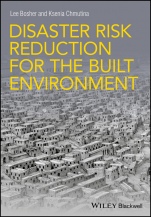
Disaster Risk Reduction for the Built Environment
ISBN 9781118921494
Autor: Lee Bosher, Ksenia Chmutina
Wydawca: Wiley
Dostępność: 3-6 tygodni
Cena: 296,10 zł
Przed złożeniem zamówienia prosimy o kontakt mailowy celem potwierdzenia ceny.
ISBN13: |
9781118921494 |
ISBN10: |
1118921496 |
Autor: |
Lee Bosher, Ksenia Chmutina |
Oprawa: |
Paperback |
Rok Wydania: |
2017-06-09 |
Ilość stron: |
304 |
Wymiary: |
246x189 |
Tematy: |
KM |
Disaster risk reduction for the built environment
Between 2010 and 2015 the world experienced 530 disaster events that affected 140 million people, killed 78 thousand people and caused US$151bn in damages, figures that are testament to the massive (and increasingly) negative impacts that disasters have globally.
Disaster Risk Reduction for the Built Environment provides a multi–facetted introduction to how a wide range of risk reduction options can be mainstreamed into formal and informal construction decision making processes, so that Disaster Risk Reduction (DRR) can become part of the developmental DNA . The contents highlight the positive roles that practitioners such as civil and structural engineers, urban planners and designers, and architects (to name just a few) can undertake to ensure that disaster risk is addressed when (re)developing the built environment. The book does not set out prescriptive ( context blind ) solutions to complex problems because such solutions can invariably generate new problems. Instead it raises awareness, and in doing so, inspires a broad range of people to consider DRR in their work or everyday practices.
This highly–illustrated text book provides a broad range of examples, case studies and thinking points that can help the reader to consider how DRR approaches might be adapted for differing contexts.
Other books of interest
Post–Disaster Reconstruction of the Built Environment: Rebuilding for Resilience
Dilanthi Amaratunga, Richard Haigh
ISBN: 978–1–4443–3356–5
July 2011, Wiley–Blackwell
Disaster Response and Recovery: Strategies and Tactics for Resilience, 2nd Edition
David A. McEntire
ISBN: 978–1–118–67302–7
January 2015, John Wiley & Sons
List of figures
List of Tables
Notes on Authors
Foreword
Acknowledgements
List of Acronyms
List of case studies
List of thinking points
Section Introduction to book and concepts
1 Introduction
Climate change and disasters
Impacts of disasters globally
The potential roles of the construction sector in DRR
Scope of the book
2 Disaster Risk Reduction
Key DRR concepts and terms
International approaches to DRR
Community resilience
Risk management
Summary and references
Section Hydro–meteorological hazards
3 Floods
Overview of the typical impacts of floods
Causes of flooding
Riverine floods
Coastal floods
Flash floods
Urban (pluvial) floods
Risk management
Hazard identification
Assessment of the vulnerabilities
Determination of the risk
Identification and prioritisation of risk reduction options
Summary and references
4 Windstorms
Overview of the typical impacts of windstorms
Causes of windstorms
Tropical windstorms (hurricanes, cyclones, typhoons)
Tornadoes
Risk management
Hazard identification
Assessment of the vulnerabilities
Determination of the risk
Identification and prioritisation of risk reduction options
Summary and references
Section Geological hazards
5 Earthquakes
Overview of the typical impacts of earthquakes (inc. tsunamis)
Causes of earthquakes
The natural hazards
Risk management
Hazard identification
Assessment of the vulnerabilities
Determination of the risk
Identification and prioritisation of risk reduction options
Summary and references
6 Volcanos
Overview of the typical impacts of volcanoes
Causes of volcanoes
Types of volcanoes
Risk management
Hazard identification
Assessment of the vulnerabilities
Determination of the risk
Identification and prioritisation of risk reduction options
Summary and references
7 Landslides
Overview of the typical impacts of landslides
Causes of landslides
Risk management
Hazard identification
Assessment of the vulnerabilities
Determination of the risk
Identification and prioritisation of risk reduction options
Summary and references
Section Key considerations and ways forward
8 Key principles
Integrating DRR measures into construction practice
Seven key principles
Summary and references
9 DRR and Sustainability an integrated approach
Integrating resilience and sustainability: why important?
What is sustainability?
Can the built environment be sustainable and resilient?
Summary and references
10 Conclusions: Research and practical challenges
Dynamic factors (and root causes)
Moving away from disaster risk creation
Moving towards a new developmental DNA
Future research and educational challenges
Final thoughts for construction practitioners
About the Authors
Lee Bosher, School of Civil & Building Engineering, Loughborough University Senior Lecturer in Disaster Risk Reduction (DRR) who has been based within the School of Civil and Building Engineering at Loughborough University since 2005. Lee has a background in disaster risk management and his research and teaching includes disaster risk reduction and the multi–disciplinary integration of proactive hazard mitigation strategies into the decision–making processes of key stakeholders, particularly stakeholders from the construction industry. He is coordinator of the International Council for Building (CIB) s Working Commission W120 on Disasters and the Built Environment , has undertaken consultancy work on DRR matters for the United Nations and has been an invited speaker at conferences in USA, UK, Iran, Israel and Pakistan.
Ksenia Chmutina, School of Civil & Building Engineering, Loughborough University Research Associate who has been based within the School of Civil and Building Engineering at Loughborough University since 2011. Ksenia has a background in sustainability and her research includes synergies of resilience and sustainability in the built environment and resilience of small developing island states. Other research interests are related to the stakeholders engagement in disaster risk reduction activities, policy environment for the DRR, as well as energy efficiency, decentralised energy and energy policy.
Koszyk
Książek w koszyku: 0 szt.
Wartość zakupów: 0,00 zł
Informacje


Kontakt
Gambit
Centrum Oprogramowania
i Szkoleń Sp. z o.o.
Al. Pokoju 29b/22-24
31-564 Kraków
Siedziba Księgarni
ul. Kordylewskiego 1
31-542 Kraków
+48 12 410 5991
+48 12 410 5987
+48 12 410 5989
Subskrypcje
Administratorem danych osobowych jest firma Gambit COiS Sp. z o.o. Na podany adres będzie wysyłany wyłącznie biuletyn informacyjny.
Autoryzacja płatności

Informacje na temat autoryzacji płatności poprzez PayU.

© Copyright 2012: GAMBIT COiS Sp. z o.o. Wszelkie prawa zastrzeżone.
Projekt i wykonanie: Alchemia Studio Reklamy