


Wydawcy
Katalog tematyczny
- Archeologia (109)
- Ekonomia, finanse, business (13704)
- Filozofia (1445)
- Historia (3040)
- Języki i językoznawstwo (2356)
- Lifestyle, hobby i rozrywka (475)
- Medycyna (9704)
- Nauki humanistyczne (4)
- Nauki o Ziemi i środowisku (2638)
- Nauki ścisłe (20412)
- Astronomia (294)
- Biologia (5119)
- Biochemia (575)
- Biologia człowieka (14)
- Biologia komórkowa (377)
- Biologia molekularna (398)
- Biologia rozwoju (130)
- Biologia, ogólnie (1277)
- Botanika (280)
- Hydrobiologia (92)
- Mikrobiologia (363)
- Mykologia (22)
- Zoologia (303)
- Chemia (6540)
- Fizyka (3309)
- Matematyka (4574)
- Nauki ścisłe, ogólnie (503)
- Nauki społeczne (8486)
- Nauki techniczne (13450)
- Prawo (1696)
- Publikacje informacyjne i interdyscyplinarne (1288)
- Religia i wierzenia (917)
- Technika komputerowa (4067)
- Zdrowie, relacje międzyludzkie i rozwój osobisty (657)





Informacje szczegółowe o książce
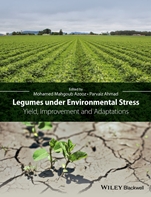
Legumes under Environmental Stress: Yield, Improvement and Adaptations
ISBN 9781118917084
Autor: Parvaiz Ahmad
Wydawca: Wiley
Dostępność: 3-6 tygodni
Cena: 774,90 zł
Przed złożeniem zamówienia prosimy o kontakt mailowy celem potwierdzenia ceny.
ISBN13: |
9781118917084 |
ISBN10: |
1118917081 |
Autor: |
Parvaiz Ahmad |
Oprawa: |
Hardback |
Rok Wydania: |
2015-02-06 |
Ilość stron: |
328 |
Wymiary: |
247x197 |
Tematy: |
PS |
Leguminous crops have been found to contribute almost 27% of the world s primary crop production. However, due to environmental fluctuations, legumes are often exposed to different environmental stresses, leading to problems with growth and development, and ultimately, decreased yield.
This timely review explains the transcriptomics, proteomics, genomics, metabolomics, transgenomics, functional genomics and phenomics of a wide range of different leguminous crops under biotic and abiotic stresses, and their genetic and molecular responses. Amongst others the text describes the effect of nutrient deficiency, pesticides, salt, and temperature stress on legumes.
Importantly, the book explores the physiobiochemical, molecular and omic approaches that are used to overcome biotic and abiotic constraints in legumes. It looks at the exogenous application of phytoprotectants; the role of nutrients in the alleviation of abiotic stress; and the microbial strategy for the improvement of legume production under hostile environments.
Key features:
demonstrates how to mitigate the negative effect of stress on leguminous crops, and how to improve the yield under stress
the most up–to–date research in the field
written by an international team of active researchers and practitioners across academia, industry and non–profit organisations
This volume is a valuable and much–needed resource for scientists, professionals and researchers working in plant science, breeding, food security, crop improvement and agriculture worldwide. In universities it will educate postgraduate and graduate students in plant science and agriculture; it will also benefit those in scientific institutions and in biotech and agribusiness companies, who deal with agronomy and environment.
List of contributors
Preface
About the Editors
Chapter 1
1. Introduction
2. Legumes under Abiotic stress
3. Cool Season Food Legumes Breeding
4. Cool Season Food Legumes Breeding Under Abiotic Stress
5. Warm Season Food Legumes Breeding
6. Warm Season Food Legumes Breeding Under Abiotic Stress
7. Biotechnology Approaches
8. Conclusions and Future Prospects
References
Chapter 2
1. Introduction
2. Effect of salt stress on plants
3. Responses of plants to salt stress
4. Lessons from the studies of leguminous crops
5. Omic approaches for understanding salt stress responses in legumes
6. Conclusion and future prospectus
References
Chapter 3
1. Introduction
2. Environmental stresses and crop growth
3. Effects of nutrient deficiency
4. Methods to control nutrient deficiency
5. Micronutrient deficiency in plants
6. Role of Macronutrient in growth of legumes
7. Storage proteins in legumes and effect of nutritional deficiency
8. Protective mechanisms triggered in legumes under stress
9. Conclusion
References
Chapter 4
1. Introduction
2. Origin and occurrence
3. General botany
4. Nutritional uses
5. Abiotic stress
6. Chickpea and abiotic stress: Omic approach
7. Biotic Stress
8. Breeding of chickpea for biotic stress
9. Conclusion and future prospects
References
Chapter 5
1. Introduction
2. Impacts on productivity
3. Impacts on nutritional and processing quality
4. Breeding for tolerance to temperature stresses
5. Conclusions
Chapter 6
1. Introduction
2. Uptake, metabolism and persistence of pesticides
3. Effect of pesticides on leguminous plants
4. Pesticide tolerance in legumes
5. Conclusion and future prospects
Chapter 7
1. Introduction about pesticides
2. Fate of pesticides in plants, soil and water
3. Pyrethroid mode of action
4. Oxidative stress and ros production in plants
5. Conclusion and future prospects
References
Chapter 8
1. Introduction
2. Symbiotic association: a specific plant microbe interaction
3. Legume–rhizobia symbiosis: a vulnerable association under osmotic stresses
4. Nodulation process and symbiotic performance variability
5. Variability of symbiotic partners input on symbiosis resilience
6. Osmotic stresses effect on nodule integrity and functioning
7. Future prospects
References
Chapter 9
1. Introduction
2. Abiotic stresses affect legume crop productivity
3. Improving legume yield by inoculation with rhizobacteria
4. Biomechanisms regulating growth and development
5. Conclusions and future prospects
References
Chapter 10
1. Introduction
2. Effect of abiotic stress on ABA biosynthesis, catabolism and transport
3. Perception of ABA in legumes under abiotic stress
4. ABA mediating whole legume responses to abiotic stress
5. ABA regulation of leaf expansion under abiotic stress
6. ABA role as a regulator on nodulation under abiotic stress
7. ABA and assimilate accumulation under abiotic stress
8. ABA mediating the expression of abiotic stress responsive genes
9. Concluding and future prospects
References
Chapter 11
1. Introduction
2. Importance of legumes
3. Legumes responses to environmental stresses
4. Application of phytoprotectants in enhancing stress tolerance
5. Conclusion and future perspectives
Acknowledgements
References
Chapter 12
1. Introduction
2. Legumes–A Botanical Treasure
3. Environmental Threats to Legumes
4. Genetic and Molecular Response To Salt Stress
5. Genetic and Molecular Responses to Drought
6. Genetic and Molecular Responses To Extremes In Temperatures
7. Plant Defense Mechanisms and Their Efficiency
8. Conclusion and Future Prospects
References
Chapter 13
1. Introduction
2. Omics: Solution to Abiotic Stress in Legumes?
3. Transcriptomics
4. Proteomics
5. Metabolomics
6. Genomics
7. Transgenomics
8. Functional Genomics
9. Phenomics
10. Conclusions& Future Prospects
References
Chapter 14
1. Introduction
2. MicroRNAs (miRNAs): small but significant
3. MiRNA identification and functional diversity in legumes
4. MiRNA expression profiling under abiotic stresses in legumes
5. MiRNAs play important roles in nodulation and symbiosis in legumes
6. MiRNA mediated approaches for functional genomics in legumes
7. Conclusion and future prospects
References
Chapter 15
1. Introduction
2. Legumes and their Importance
3. Legumes in Stressed Environments
4. Host Defense Mechanisms
5. Disease and Stress Checkpoints
6. Biotechnology in Legumes
7. Molecular Approaches in improving Legume Defense
8. Integration of GM Legumes to Current Agriculture System
9. Conclusion and future prospects
References
Chapter 16
1. Introduction
2. Approaches to incorporate stress tolerance mechanisms
3. Conclusion and future prospects
References
Chapter 17
1. Introduction
2. Methodology
3. Results and discussion
4. Conclusions
References
Index
Mohamed Mahgoub Azooz, South Valley University, Egypt
Parvaiz Ahmad, S.P. College, Jammu and Kashmir, India
Koszyk
Książek w koszyku: 0 szt.
Wartość zakupów: 0,00 zł
Informacje


Kontakt
Gambit
Centrum Oprogramowania
i Szkoleń Sp. z o.o.
Al. Pokoju 29b/22-24
31-564 Kraków
Siedziba Księgarni
ul. Kordylewskiego 1
31-542 Kraków
+48 12 410 5991
+48 12 410 5987
+48 12 410 5989
Subskrypcje
Administratorem danych osobowych jest firma Gambit COiS Sp. z o.o. Na podany adres będzie wysyłany wyłącznie biuletyn informacyjny.
Autoryzacja płatności

Informacje na temat autoryzacji płatności poprzez PayU.

© Copyright 2012: GAMBIT COiS Sp. z o.o. Wszelkie prawa zastrzeżone.
Projekt i wykonanie: Alchemia Studio Reklamy