


Wydawcy
Katalog tematyczny
- Archeologia (109)
- Ekonomia, finanse, business (13704)
- Filozofia (1445)
- Historia (3040)
- Języki i językoznawstwo (2356)
- Lifestyle, hobby i rozrywka (475)
- Medycyna (9704)
- Nauki humanistyczne (4)
- Nauki o Ziemi i środowisku (2638)
- Nauki ścisłe (20412)
- Astronomia (294)
- Biologia (5119)
- Chemia (6540)
- Chemia analityczna (361)
- Chemia fizyczna (346)
- Chemia nieorganiczna (137)
- Chemia organiczna (535)
- Krystalografia (27)
- Minerologia (46)
- Fizyka (3309)
- Matematyka (4574)
- Nauki ścisłe, ogólnie (503)
- Nauki społeczne (8486)
- Nauki techniczne (13450)
- Prawo (1696)
- Publikacje informacyjne i interdyscyplinarne (1288)
- Religia i wierzenia (917)
- Technika komputerowa (4067)
- Zdrowie, relacje międzyludzkie i rozwój osobisty (657)





Informacje szczegółowe o książce
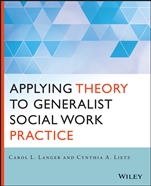
Applying Theory to Generalist Social Work Practice
ISBN 9781118859766
Autor: Carol L. Langer, Cynthia Lietz
Wydawca: Wiley
Dostępność: 3-6 tygodni
Cena: 368,55 zł
Przed złożeniem zamówienia prosimy o kontakt mailowy celem potwierdzenia ceny.
ISBN13: |
9781118859766 |
ISBN10: |
1118859766 |
Autor: |
Carol L. Langer, Cynthia Lietz |
Oprawa: |
Paperback |
Rok Wydania: |
2015-02-20 |
Ilość stron: |
336 |
Wymiary: |
235x194 |
Tematy: |
PN |
ESTABLISH AN EVIDENCE–BASED AWARENESS OF HOW THE MOST USEFUL THEORIES INFORM PRACTICE
Responding with sensitivity to clients′ individual situations requires an understanding of why we do the things we do in the helping professions. To this end, Applying Theory to Generalist Social Work Practice is a new kind of social work text. Instead of encouraging the rote memorization of processes and routines, this book encourages critical thinking: focusing on how the most common theoretical approaches can lead to better outcomes.
Accomplished social work educators Carol L. Langer and Cynthia Lietz, emphasize an evidence–based practice paradigm that is fully aligned with the Council on Social Work Education′s 2015 Educational Policy and Accreditation Standards. Students will appreciate the real world accounts and illuminating case studies that bring essential theoretical orientations to life.
Applying Theory to Generalist Social Work Practice features:
Detailed examples from individual, family, group, and institutional social work practice Engaging first–person narratives written by accomplished social work practitioners Critical thinking and application questions to activate new knowledge Balanced accounts of the strengths and weaknesses of 12 major social work theories Thorough discussions of evidence–based practice throughout all chaptersThis book trains aspiring social workers to make best use of their knowledge in helping clients reach their destinations.
CHAPTER ONE: The Role of Theories in Social Work Practice
Introduction
What is Theory?
The Relevance of Studying Theory for Aspiring Social Workers
Case Example
Evidence–Based Practice
Further Debates
Theoretical Integration
Common Elements
Implementation of Theory: The Role of Microskills
Conclusion
Resources for Students
References
CHAPTER TWO: Ecological and Systems Theories
Introduction
A Historical Discussion of Ecological and Systems Theories
Ecological and Systems Theories: Theoretical Principles
Ecological and Systems Theories: Key Concepts
Application of Ecological and Systems Theories within Social Work Practice
Case Example
Stories from the Field
Student Application of Skills
Strengths and Limitations of Ecological and Systems Theories
Conclusion
Resources for Students
References
CHAPTER THREE: The Strengths Perspective
Introduction
A Social Work History Lesson
Limitations of the Medical Model
Moving Toward a Strengths Perspective
The Strengths Perspective: Key Concepts
The Strengths Perspective: Principles
Application of the Strengths Perspective within Social Work Practice
Case Example
Stories from the Field
Student Application of Skills
Limitations of the Strengths Perspective
Conclusion
Resources for Students
References
CHAPTER FOUR: The Task–Centered Model
Introduction
Historical Development
Theoretical Assumptions
The Task–Centered Model and the Helping Process
Applicability of Task–Centered Work
Compatibility with Social Work Values and Ethics, Systems and Strengths Perspectives
Case Example
Stories from the Field
Student Application of Skills
Strengths and Limitations
Conclusion
Resources for Students
References
CHAPTER FIVE: Conflict Theory
Introduction
Historical Development of Conflict Theory
Dialectical Materialism
Macro Case Example
Mezzo Case Example
Application of Conflict Theory to Social Work Practice
Stories from the Field
Student Application of Skills
Strengths and Limitations of Conflict Theory
Conclusion
Resources for Students
References
CHAPTER SIX: Humanism and Client–Centered Theory
Introduction
A Historical Discussion of Client–Centered Theory
Client–Centered Theory: Theoretical Principles
Client–Centered Theory: Key Concepts
Stories from the Field
Application of Client–Centered Theory within Social Work Practice
Case Example
Student Application of Skills
Strengths and Limitations of Humanism
Conclusion
Resources for Students
References
CHAPTER SEVEN: Cognitive and Behavioral Theories
Introduction
A Historical Discussion of Behaviorism and Cognitive Theory
Cognitive and Behavioral Theories: Key Concepts
Cognitive Behavioral Therapy (CBT)
Stories from the Field
Application of Cognitive Behavioral Therapy within Social Work Practice
Case Example
Student Application of Skills
Benefits and Limitations of the Cognitive and Behavioral Theories
Conclusion
Resources for Students
References
CHAPTER EIGHT: Empowerment Theory
Introduction
Basic Assumptions of the Empowerment Perspective
Development of Empowerment in Social Work
Historical Example
Contemporary Examples of the Need for Empowerment
Social Work with Groups and Empowerment
Case Example
Stories from the Field
Student Application of Skills
Strengths and Limitations of Empowerment Theory
Conclusion
Resources for Students
References
CHAPTER NINE: Narrative Theory
Introduction
A Historical Discussion of Narrative Theory
Narrative Theory: Theoretical Assumptions
Narrative Theory: Key Concepts
Application of Narrative Theory within Social Work Practice
Case Example
Stories from the Field
Stories from the Field
Student Application of Skills
Strengths and Limitations of Narrative Theory
Conclusion
Resources for Students
References
CHAPTER TEN: Solution–Focused Brief Therapy
Introduction
Theoretical Assumptions of SFBT
Historical Development
Use of the SFBT in the Helping Process
Case Example
Stories from the Field
Student Application of Skills
Strengths and Limitations of the Solution–Focused Model
Conclusion
Resources for Students
References
CHAPTER ELEVEN: Crisis Theory
Introduction
A Brief History of Crisis Theory
Levels of Crisis
Stages of Experiencing and Resolving a Crisis
Case Example
Critical Necessities of Each Stage
The Critical Incident Stress Debriefing and Management Protocol
Stories from the Field
Student Application of Skills
Strengths and Limitations of Crisis Theory
Conclusion
Resources for Students
References
CHAPTER TWELVE: Feminist and Critical Theories
By Andrea N. Cimino, MSW, PhD
Introduction
Historical Foundation and Overview of Critical Theory
Basic Principles of Critical Theory
Foundation and Historical Overview of Feminist Theory
Basic Principles of Feminist Theory
Similarities and Differences
Key Concepts
Principles of Feminist/Critical Theory within Social Work Practice
Case Example
Stories from the Field
Student Application of Skills
Criticisms of Feminist and Critical Theory Approaches
Conclusion
Resources for Students
References
CHAPTER THIRTEEN: Transtheoretical Model
Introduction
Historical Foundation and Overview
The Stages of Change
Key Concepts
Basic Principles
Motivational Interviewing
Application
Case Example
Stories from the Field
Student Application of Skills
Strengths and Limitations of TTM and Motivational Interviewing
Conclusion
Resources for Students
References
CHAPTER FOURTEEN: Theory and Practice: Pulling it all Together
CAROL L. LANGER, PHD, MSW, is Department Chair and Professor of Social Work at Colorado State University Pueblo. In addition to teaching the undergraduate course Human Behavior and the Social Environment, she researches experiential learning and its role in erasing stereotypes and myths about diverse populations.
CYNTHIA A. LIETZ, PHD, LCSW, is associate professor and coordinator of the Tucson program at Arizona State University. She teaches social work practice courses in the undergraduate and graduate programs, along with conducting research into the strengths that families employ in dealing with high risk situations like trauma and loss.
Koszyk
Książek w koszyku: 0 szt.
Wartość zakupów: 0,00 zł
Informacje


Kontakt
Gambit
Centrum Oprogramowania
i Szkoleń Sp. z o.o.
Al. Pokoju 29b/22-24
31-564 Kraków
Siedziba Księgarni
ul. Kordylewskiego 1
31-542 Kraków
+48 12 410 5991
+48 12 410 5987
+48 12 410 5989
Subskrypcje
Administratorem danych osobowych jest firma Gambit COiS Sp. z o.o. Na podany adres będzie wysyłany wyłącznie biuletyn informacyjny.
Autoryzacja płatności

Informacje na temat autoryzacji płatności poprzez PayU.

© Copyright 2012: GAMBIT COiS Sp. z o.o. Wszelkie prawa zastrzeżone.
Projekt i wykonanie: Alchemia Studio Reklamy