


Wydawcy
Katalog tematyczny
- Archeologia (109)
- Ekonomia, finanse, business (13704)
- Filozofia (1445)
- Historia (3040)
- Języki i językoznawstwo (2356)
- Lifestyle, hobby i rozrywka (475)
- Medycyna (9704)
- Nauki humanistyczne (4)
- Nauki o Ziemi i środowisku (2638)
- Nauki ścisłe (20412)
- Nauki społeczne (8486)
- Nauki techniczne (13450)
- Prawo (1696)
- Publikacje informacyjne i interdyscyplinarne (1288)
- Religia i wierzenia (917)
- Technika komputerowa (4067)
- Zdrowie, relacje międzyludzkie i rozwój osobisty (657)





Informacje szczegółowe o książce
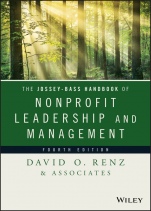
The Jossey–Bass Handbook of Nonprofit Leadership and Management
ISBN 9781118852965
Autor: David O. Renz
Wydawca: Wiley
Dostępność: 3-6 tygodni
Cena: 449,40 zł
Przed złożeniem zamówienia prosimy o kontakt mailowy celem potwierdzenia ceny.
ISBN13: |
9781118852965 |
ISBN10: |
1118852966 |
Autor: |
David O. Renz |
Oprawa: |
Hardback |
Rok Wydania: |
2016-09-27 |
Numer Wydania: |
4th Edition |
Ilość stron: |
816 |
Wymiary: |
254x179 |
Tematy: |
KM |
THE JOSSEY–BASS HANDBOOK OF NONPROFIT LEADERSHIP AND MANAGEMENT
FOURTH EDITION
Revised and expanded, the fourth edition of The Jossey–Bass Handbook of Nonprofit Leadership and Management is the go–to reference for accessing the most current research, theory and practice in the field. The text puts the focus on the unique challenges confronting all nonprofit leaders, especially accountability, and the increased pressure to demonstrate results following one of the most challenging economic periods in the sector′s history.
This important resource covers the primary functions, processes, and strategies that are key to becoming a successful nonprofit manager and leader. The fourth edition includes:
New information on hot topics including accountability, transparency, and organizational effectiveness An integrative framework for understanding the larger domain of nonprofit leadership, governance, and management Expanded content targeting associations and membership organizations Ideas for managing internal and external stakeholder relationships Approaches for sustaining financial viability Strategies for attracting, retaining, and mobilizing first–rate staff and volunteersIn addition, the book contains chapter–by–chapter supplemental resources for instructors.
Contributors
The Editor
Introduction to the Fourth Edition
David O. Renz
Intended Audience
Overview of the Contents
Acknowledgments
PART ONE: THE CONTEXT AND INSTITUTIONAL SETTING OF THE NONPROFIT SECTOR
Chapter One: Historical Perspectives on Nonprofit Organizations in the United States
Peter Dobkin Hall
Associations in Early America
Voluntary Associations in the New Republic, 1780 1830
Nation Building, 1860 1920
New Charitable Vehicles, 1890 1930
Big Government, the Nonprofit Sector, and the Transformation of Public Life, 1930 1980
The Conservative Revolution and the Nonprofit Sector, 1980 2000
The New Century and the Transformation of Philanthropy
The Nonprofit Sector and the Global Challenge
Conclusion
Notes
References
Chapter 2: The Legal Framework of the Nonprofit Sector in the United States
Bruce R. Hopkins and Virginia C. Gross
Nonprofit Organizations
Tax–Exempt Organizations
Categories of Tax–Exempt Organizations
Tax–Exempt Organizations Law Basics
Public Charities and Private Foundations
Governance
Reporting Rules
Disclosure Rules
Unrelated Business Rules
Subsidiaries
Joint Ventures
Other Aspects of Law of Exempt Organizations
Charitable Giving Rules
Federal Law as To Fundraising
State Law as To Fundraising
Organization of IRS
Reference Resources
Chapter Three: The Changing Context of Nonprofit Management in the United States
Brent Never
Introduction
The Nonprofit Sector in America
Big Questions for Nonprofit Leaders
Challenges and Opportunities For The Future
Conclusion
End Notes
References
Chapter Four: The Many Faces of Nonprofit Accountability
Alnoor Ebrahim
Accountability to Whom?
Accountability for What?
Accountability How?
Conclusions
Endnotes
References
PART TWO: LEADING AND GOVERNING NONPROFIT ORGANIZATIONS
Chapter Five: Leadership, Governance, and the Work of the Board
David Renz
The Legal Dimensions of Board Work
The Legal Responsibilities of the Individual Board Member
Governance, Strategy and the Work of the Board
Characteristics of Typical Nonprofit Boards
Committees and Task Forces
Building Board Capacity to Serve
Competencies of Effective Boards
Helping Boards Meet the Challenge
The Board Builder s Challenge: Taking the Long–Term Developmental Perspective
Conclusion
End Notes
References
Chapter Six: Executive Leadership
Robert D. Herman
Executive Centrality
Board–Centered Leadership Skills of Chief Executives
Leadership Across the Boundaries: Impact in the External World
Using the Political Frame
Summary
References
Chapter Seven: Ethical Nonprofit Management: Core Values and Key Practices
Thomas Jeavons
An Overview of This Chapter
What Are Ethics ?
Professional Ethics
Misunderstanding Professional Ethics
Core Values for the Voluntary Sector
Ethical Management in Ethical Organizations
From Ideals to Operative Values
Creating and Maintaining a Culture of Integrity
Summary
References
Chapter Eight: Strategic Management
William Brown
Service and Resource Opportunities
Delivery Systems and Capabilities
Performance and Control
Conclusion
References
Chapter Nine: Strategic Planning and the Strategy Change Cycle
John Bryson
Chapter Ten: Understanding Nonprofit Effectiveness
David O. Renz and Robert D. Herman
Theoretical Perspectives on Nonprofit Organizational Effectiveness
Key Insights on Organizational Effectiveness
Type of Organization Makes a Difference
Differentiating Program, Organization, and Network Effectiveness
Implications
Conclusion
References
PART THREE: MANAGING NONPROFIT OPERATIONS
Chapter Eleven: Social Entrepreneurship and Social Innovation
Matthew T.A. Nasha
Social Entrepreneurship Is Responding to the New Realities
What Is Social Entrepreneurship?
Toward A Shared Theory of Social Eentrepreneurship
The Process of Social Entrepreneurship: Creating Worthy Opportunities
Strengthening the Ecosystem of Social Entrepreneurship
Conclusion
Endnotes
References
Chapter Twelve: Social Enterprise and Nonprofit Ventures
Scott T. Helm
Culture and the Context of Social Enterprise
Who Should Establish a Social Enterprise?
Access to Knowledge and Expertise about Social Enterprise
Structure Options for Social Enterprises
Other Enterprise Options
Enterprise Planning
Moving Forward
References
Chapter Thirteen: Marketing for Nonprofit Organizations
Brenda Gainer
Key Concepts in Nonprofit Marketing
A Strategic Approach to Marketing
The Role of Data Analysis in Decision Making
Segmentation and Target Marketing
Competition, Positioning, and Branding
Managing the Marketing Mix
Product Marketing in the Nonprofit Sector
Summary
References
Chapter Fourteen: Advocacy, Lobbying, and Social Change
Marcia Avner
The Role of Nonprofits in the Public Dialogue
What Constitutes Advocacy?
Building and Contributing to Social Change Movements
Nonprofit Activism and the Law
Nonprofit Nonpartisan Election Activities and the Law
Build Advocacy Capacity
Framework for Advocacy:
A Pragmatic Approach to Advocacy and Lobbying
Primary Advocacy Actions:
Direct Lobbying, Grassroots Organizing, and Media Advocacy
Grassroots Organizing
Evaluating Public Policy Advocacy, Lobbying, and Civic Engagement
Advancing Advocacy as a Field
References
Chapter Fifteen: Value Creation Through Collaboration
James E. Austin and M. May Seitanidi
The Value Creation Spectrum
Collaborative Value Mindset
Collaboration Stages
Collaborative Value Creation Processes
Collaborative Value Outcomes
Smart Collaborative Value Creation Practices
Conclusion
Endnote:
References
Chapter Sixteen: Evaluating the Effectiveness of Nonprofit Organizations
Vic Murray
What Is Organizational Effectiveness?
What Is Organizational Effectiveness Evaluation?
Why Is Organizational Effectiveness Evaluation Important? The Accountability Movement
The Ideal Evaluation Process and Its Problems
Recent Tools for Improving Organizational Effectiveness Evaluation
Conclusion
Notes
References
Part Four Developing and Managing Nonprofit Financial Resources
Chapter Seventeen: Financial Leadership in Nonprofit Organizations
Jeanne Bell and Shannon Ellis
Organizational Culture, Systems and Skills to Support Financial Leadership
Conclusion
References
Chapter Eighteen: Philanthropy and Fundraising: The Comprehensive Development Program
Sarah K. Nathan and Eugene R. Tempel
The Philanthropic Environment and Context
The Total Development Program
Stewardship and Accountability
Organizational Issues Impacting Fundraising
Conclusion
References
Chapter Nineteen: Nonprofit Finance: Developing Nonprofit Resources
Dennis R. Young and Jung–In Soh
Sources of Nonprofit Income
Economic Concepts Underlying Nonprofit Finance
The Role of Different Forms of Nonprofit Income
Portfolio Issues
Conclusion
References
Chapter Twenty: Managing the Challenges of Government Contracts
Stephen Rathgeb Smith
Background
A Restructured Contracting Relationship
Contracting as a Regime
Strategic Management in an Era Of Impact, Competition, and Accountability
Innovation and Reform In Contracting
Conclusion
References
Chapter Twenty–One: Tools and Techniques of Nonprofit Financial Management
Woods Bowman
How to Avoid a Cash Shortage
How to Prepare a Budget
How to Use a Budget To Manage
How to Achieve Long–Run Success
How Boards Should Oversee Finance
Conclusion
References
Endnotes
PART FIVE: LEADING AND MANAGING PEOPLE IN NONPROFITS
Chapter Twenty–Two: Effective Human Resource Management: Nonprofit Staffing For The Future
Mary R. Watson and Rikki Abzug
Why Emphasize Recruitment And Retention?
Human Resources is a System, Not a Set of Tasks
First Things First: Make It Legal
Putting It All Together:
The Processes of Human Resources
Retention through Motivation
Discharge, Layoffs, and Voluntary Turnover
Make or Buy? Outsourcing Human Resources
Summary: Effective Human Resource Practice
References
Chapter Twenty–Three: Compensation: Total Rewards Programs in Nonprofit Organizations
Nancy E. Day
Total Rewards: Integral to Organizational Strategy
Traditional Base Compensation Principles
Incentive Pay in Nonprofits
Executive Pay in Nonprofits
Benefits
P[9iFying Rewards Costs to Directors
Conclusion
References
Chapter Twenty–Four: Designing and Managing Volunteer Programs
Jeffrey L. Brudney
Establishing the Rationale for Volunteer Involvement
Involving Paid Staff in Volunteeer Program Design
Integrating the Volunteer Program into the Organization
Creating Positions of Program Leadership
Preparing Job Descriptions for Volunteer Positions
Meeting the Needs of Volunteers
Recruiting and Retaining Volunteers
Managing Volunteers
Evaluating and Recognizing the Volunteer Effort
Summary and Conclusion
References
Conclusion
The Future of Nonprofit Leadership and Management
David O. Renz
The Successful Nonprofit Leader and Manager of the Future
Does Nonprofit Management Differ from For–Profit Management?
Conclusion
References
THE EDITOR
DAVID O. RENZ is the Beth K. Smith/Missouri Chair in Nonprofit Leadership and the Director of the Midwest Center for Nonprofit Leadership, a leadership development and research center at the Henry W. Bloch School of Business and Public Administration at the University of Missouri, Kansas City.
Koszyk
Książek w koszyku: 0 szt.
Wartość zakupów: 0,00 zł
Informacje


Kontakt
Gambit
Centrum Oprogramowania
i Szkoleń Sp. z o.o.
Al. Pokoju 29b/22-24
31-564 Kraków
Siedziba Księgarni
ul. Kordylewskiego 1
31-542 Kraków
+48 12 410 5991
+48 12 410 5987
+48 12 410 5989
Subskrypcje
Administratorem danych osobowych jest firma Gambit COiS Sp. z o.o. Na podany adres będzie wysyłany wyłącznie biuletyn informacyjny.
Autoryzacja płatności

Informacje na temat autoryzacji płatności poprzez PayU.

© Copyright 2012: GAMBIT COiS Sp. z o.o. Wszelkie prawa zastrzeżone.
Projekt i wykonanie: Alchemia Studio Reklamy