


Wydawcy
Katalog tematyczny
- Archeologia (109)
- Ekonomia, finanse, business (13704)
- Filozofia (1445)
- Historia (3040)
- Języki i językoznawstwo (2356)
- Lifestyle, hobby i rozrywka (475)
- Medycyna (9704)
- Chirurgia (272)
- Inne gałęzie medycyny (1871)
- Medycyna kliniczna (4187)
- Medycyna niekonwencjonalna (14)
- Medycyna przedkliniczna (269)
- Medycyna, ogólnie (1740)
- Historia medycyny (3)
- Lekarze, sprawy zawodowe (8)
- Medycyna, aspekty prawne (10)
- Służba zdrowia (36)
- Wyposażenie medyczne (157)
- Zdrowie publiczne (460)
- Medyczne służby pomocnicze (745)
- Studia medyczne (16)
- Weterynaria (548)
- Nauki humanistyczne (4)
- Nauki o Ziemi i środowisku (2638)
- Nauki ścisłe (20412)
- Nauki społeczne (8486)
- Nauki techniczne (13450)
- Prawo (1696)
- Publikacje informacyjne i interdyscyplinarne (1288)
- Religia i wierzenia (917)
- Technika komputerowa (4067)
- Zdrowie, relacje międzyludzkie i rozwój osobisty (657)





Informacje szczegółowe o książce
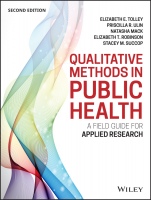
Qualitative Methods in Public Health: A Field Guide for Applied Research
ISBN 9781118834503
Autor: Elizabeth E. Tolley, Priscilla R. Ulin, Natasha Mack, Elizabeth T. Robinson, Stacey M. Succop
Wydawca: Wiley
Dostępność: 3-6 tygodni
Cena: 401,10 zł
Przed złożeniem zamówienia prosimy o kontakt mailowy celem potwierdzenia ceny.
ISBN13: |
9781118834503 |
ISBN10: |
111883450X |
Autor: |
Elizabeth E. Tolley, Priscilla R. Ulin, Natasha Mack, Elizabeth T. Robinson, Stacey M. Succop |
Oprawa: |
Paperback |
Rok Wydania: |
2016-06-21 |
Numer Wydania: |
2nd Edition |
Ilość stron: |
480 |
Wymiary: |
233x180 |
Tematy: |
MBN |
THE NEW EDITION OF THE REAL–WORLD GUIDE TO CONDUCTING RIGOROUS QUALITATIVE RESEARCH
The revised and updated second edition of Qualitative Methods in Public Health: A Field Guide for Applied Research offers faculty, practitioners, and students a comprehensive handbook to conducting effective qualitative research in the public health arena.
The text contains thorough reviews and accessible explanations of the rationale and workflow of the qualitative approaches presented. Step–by–step, the authors give clear–cut instructions on every phase of the research process including: focusing on a theory, study design, data collection, analysis, interpretation, writing, and dissemination.
New to the second edition is a wealth of examples and applications from global health experts, cases specifically illustrating study design, web and mobile technologies, ideas for the mixing of methods, and recent innovations in dissemination. In addition, each chapter offers pedagogical tools to enrich teaching and learning.
Qualitative Methods in Public Health, Second Edition presents:
Guidelines for creating powerful qualitative studies and collecting the appropriate data Examples that show how to accurately transform data into words Lessons for merging qualitative and quantitative data that tell the whole story Ideas for mastering the logistics of consent, interviews, focus groups, and moreFilled with practical strategies and approaches for employing qualitative research, the second edition of Qualitative Methods in Public Health is a must–have resource.
List of of Figures, Tables, and Boxes
List of Case Studies
Preface or Foreword
Acknowledgements
About the Authors
Chapter One
Invitation to Explore
Our Purpose
What Is Qualitative Research?
Getting Started
Chapter Two
The Language and Logic of Qualitative Research
Frameworks for Research: Paradigms, Theories and Conceptual Models
Using Qualitative Methods to Develop Theory
Substantive Theories and Conceptual Models
Standards for Qualitative Research
Chapter Three
Designing the Study
Background and Rationale
Developing Study Objectives
Using Documentary Sources
Data from Human Subjects
Data Collection Methods
Collecting Data
Analyzing the Data
Disseminating Results
Research Ethics: Decisions for the Protection of Study Participants
Other Considerations: Budget and Time
Chapter Four
Collecting Qualitative Data:
The Science and the Art
Observation
Interviews and Focus Groups
Structured Data Collection Techniques
Chapter Five
Logistics in the Field
Introduction to the Community: Building Rapport
Involving Policymakers and Change Agents
Developing the Field Team
Training
Field Materials
Pilot Testing
Field Logistics
Supervision and Monitoring
Generating Data Files
Transcription and Translation
Data Management and Storage
Timelines and Budgets
Chapter Six
Qualitative Data Analysis
Principles of Qualitative Data Analysis: Keeping the Research Purpose in Mind
Basic Steps in Qualitative Data Analysis
Step 1. Reading: Developing an Intimate Relationship with the Data
Step 2. Coding: Identifying the Emerging Themes
Computer Software
Step 3. Displaying Data: Distinguishing Nuances of a Topic
Developing Hypotheses, Questioning, and Verifying
Step 4. Data Reduction: Getting the Big Picture
Step 5. Interpretation
Chapter Seven
Disseminating Qualitative Research
Chapter Eight: Putting It into Words
Reporting Qualitative Research Results in Scientific Journals and Reports
The Role of Writing in Responsible Conduct of Research
Before You Write
Writing Your Article or Report
After You Write
Appendix One
Examples of Oral Consent Forms
Appendix Two
Topic Guides with Pictures
Appendix Three
Participant Observation Notes
Appendix Four
Sample Interviewer Training Program Agendas and Training Schedules
Appendix Five
Sample Budget Categories for Planning Qualitative Data Collection
Appendix Six
Coding Summary Report
Appendix Seven
Example of Data Analysis Memo
Appendix Eight
Where to Publish
Appendix Nine
Research Brief: Communicating Partial Protection of Voluntary Medical Male Circumcision
Appendix Ten
Who Is an Author?
Appendix Eleven
Sample Brochures to Share Qualitative Study Findings with Participating Communities
Appendix Twelve
Making Study Findings Accessible to Other Researchers
ELIZABETH E. TOLLEY is a senior scientist and Director of the Social and Behavioral Health Sciences division of FHI 360.
PRISCILLA R. ULIN is retired from Family Health International (now FHI 360), where she was senior research scientist in the Social and Behavioral Sciences division.
NATASHA MACK is a researcher in the Social and Behavioral Health Sciences division at FHI 360.
ELIZABETH T. ROBINSON is the senior advisor for communications at the University of North Carolina at Chapel Hill′s MEASURE Evaluation project.
STACEY M. SUCCOP is a research associate in the Scientific Affairs department at FHI 360.
Koszyk
Książek w koszyku: 0 szt.
Wartość zakupów: 0,00 zł
Informacje


Kontakt
Gambit
Centrum Oprogramowania
i Szkoleń Sp. z o.o.
Al. Pokoju 29b/22-24
31-564 Kraków
Siedziba Księgarni
ul. Kordylewskiego 1
31-542 Kraków
+48 12 410 5991
+48 12 410 5987
+48 12 410 5989
Subskrypcje
Administratorem danych osobowych jest firma Gambit COiS Sp. z o.o. Na podany adres będzie wysyłany wyłącznie biuletyn informacyjny.
Autoryzacja płatności

Informacje na temat autoryzacji płatności poprzez PayU.

© Copyright 2012: GAMBIT COiS Sp. z o.o. Wszelkie prawa zastrzeżone.
Projekt i wykonanie: Alchemia Studio Reklamy