


Wydawcy
Katalog tematyczny
- Archeologia (109)
- Ekonomia, finanse, business (13704)
- Filozofia (1445)
- Historia (3040)
- Języki i językoznawstwo (2356)
- Lifestyle, hobby i rozrywka (475)
- Medycyna (9704)
- Nauki humanistyczne (4)
- Nauki o Ziemi i środowisku (2638)
- Nauki ścisłe (20412)
- Nauki społeczne (8486)
- Nauki techniczne (13450)
- Budownictwo lądowe (1045)
- Chemia przemysłowa (2258)
- Elektronika i telekomunikacja (3287)
- Energetyka (1122)
- Inne nauki stosowane (363)
- Inżynieria biochemiczna (507)
- Inżynieria transportu (232)
- Mechanika i materiały (3316)
- Nauka o środowisku (321)
- Rolnictwo (507)
- Technika, ogólnie (475)
- Prawo (1696)
- Publikacje informacyjne i interdyscyplinarne (1288)
- Religia i wierzenia (917)
- Technika komputerowa (4067)
- Zdrowie, relacje międzyludzkie i rozwój osobisty (657)





Informacje szczegółowe o książce
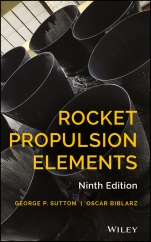
Rocket Propulsion Elements
ISBN 9781118753651
Autor: George P. Sutton, Oscar Biblarz
Wydawca: Wiley
Dostępność: 3-6 tygodni
Cena: 693,00 zł
Przed złożeniem zamówienia prosimy o kontakt mailowy celem potwierdzenia ceny.
ISBN13: |
9781118753651 |
ISBN10: |
1118753658 |
Autor: |
George P. Sutton, Oscar Biblarz |
Oprawa: |
Hardback |
Rok Wydania: |
2017-02-07 |
Numer Wydania: |
9th Edition |
Ilość stron: |
800 |
Wymiary: |
243x159 |
Tematy: |
TG |
THE DEFINITIVE INTRODUCTION TO ROCKET PROPULSION THEORY AND APPLICATIONS
The recent upsurge in global government and private spending and in space flight events has resulted in many novel applications of rocket propulsion technology. Rocket Propulsion Elements remains the definitive guide to the field, providing a comprehensive introduction to essential concepts and applications. Led by industry veteran George P. Sutton and by Professor Oscar Biblarz, this book provides interdisciplinary coverage including thermodynamics, aerodynamics, flight performance, propellant chemistry and more.
This thoroughly revised ninth edition includes discussion and analysis of recent advances in the field, representing an authoritative reference for students and working engineers alike. In any engineering field, theory is only as useful as it is practical; this book emphasizes relevant real–world applications of fundamental concepts to link "thinking" and "doing". This book will help readers:
Understand the physics of flight and the chemistry of propulsion Analyze liquid, solid, gas, and hybrid propellants, and the engines they fuel Consider high–temperature combustion, stability, and the principles of electric and chemical propulsion Dissect the workings of systems in common use around the world today Delve into the latest advances in materials, systems, propellants, and moreBroad in scope, rich in detail, and clear in explanation, this seminal work provides an unparalleled foundation in aerospace engineering topics. Learning through the lens of modern applications untangles complex topics and helps students fully grasp the intricacies on a more intuitive level. Rocket Propulsion Elements, Ninth Edition merges information and utility building a solid foundation for innovation.
Preface
Chapter 1 Classification
1.1 Duct Jet Propulsion
1.2 Rocket Propulsion
1.3 Applications of Rocket Propulsion
References
Chapter 2 Definitions and Fundamentals
2.1 Definitions
2.2 Thrust
2.3 Exhaust Velocity
2.4 Energy and Efficiencies
2.5 Multiple Propulsion Systems
2.6 Typical Performance Values
Symbols
Problems
References
Chapter 3 Nozzle Theory and Thermodynamic Relations
3.1 Ideal Rocket Propulsion Systems
3.2 Summary of Thermodynamic Relations
3.3 Isentropic Flow Through Nozzles
3.4 Nozzle Configurations
3.5 Real Nozzles
3.6 Nozzle Alignment
Symbols
Problems
References
Chapter 4 Flight Performance
4.1 Gravity–Free Drag–Free Space Flight
4.2 Forces Acting on a Vehicle in the Atmosphere
4.3 Basic Relations of Motion
4.4 Space Flight
4.5 Space Flight Maneuvers
4.6 Effect of Propulsion System on Vehicle Performance
4.7 Flight Vehicles
4.8 Military Missiles
4.9 Flight Stability
Symbols
Problems
References
Chapter 5 Chemical Rocket Propellant Performance Analysis
5.1 Background and Fundamentals
5.2 Analysis of Chamber or Motor Case Conditions
5.3 Analysis of Nozzle Expansion Processes
5.4 Computer–Assisted Analysis
5.5 Results of Thermochemical Calculations
Symbols
Problems
References
Chapter 6 Liquid Propellant Rocket Engine Fundamentals
6.1 Types of Propellants
6.2 Propellant Tanks
6.3 Propellant Feed Systems
6.4 Gas Pressure Feed Systems
6.5 Tank Pressurization
6.6 Turbopump Feed Systems and Engine Cycles
6.7 Rocket Engines for Maneuvering, Orbit Adjustments, or Attitude Control
6.8 Engine Families
6.9 Valves and Pipelines
6.10 Engine Support Structure
Symbols
Problems
References
Chapter 7 Liquid Propellants
7.1 Propellant Properties
7.2 Liquid Oxidizers
7.3 Liquid Fuels
7.4 Liquid Monopropellants
7.5 Gaseous Propellants
7.6 Safety and Environmental Concerns
Symbols
Problems
References
Chapter 8 Thrust Chambers
8.1 Injectors
8.2 Combustion Chamber and Nozzle
8.3 Low–Thrust Rocket Thrust Chambers or Thrusters
8.4 Materials and Fabrication
8.5 Heat Transfer Analysis
8.6 Starting and Ignition
8.7 Useful Life of Thrust Chambers
8.8 Random Variable Thrust
8.9 Sample Thrust Chamber Design Analysis
Symbols
Problems
References
Chapter 9 Liquid Propellant Combustion and Its Stability
9.1 Combustion Process
9.2 Analysis and Simulation
9.3 Combustion Instability
Problems
References
Chapter 10 Turbopumps and their Gas Supplies
10.1 Introduction
10.2 Descriptions of Several Turbopumps
10.3 Selection of Turbopump Configuration
10.4 Flow, Shaft Speeds, Power, and Pressure Balances
10.5 Pumps
10.6 Turbines
10.7 Approach to Turbopump Preliminary Design
10.8 Gas Generators and Preburners
Symbols
Problems
References
Chapter 11 Engine Systems, Controls, and Integration
11.1 Propellant Budget
11.2 Performance of Complete or Multiple Rocket Propulsion Systems
11.3 Engine Design
11.4 Engine Controls
11.5 Engine System Calibration
11.6 System Integration and Engine Optimization
Symbols
Problems
References
Chapter 12 Solid Propellant Rocket Motor Fundamentals
12.1 Basic Relations and Propellant Burning Rate
12.2 Other Performance Issues
12.3 Propellant Grain and Grain Configuration
12.4 Propellant Grain Stress and Strain
12.5 Attitude Control and Side Maneuvers with Solid Propellant Rocket Motors
Symbols
Problems
References
Chapter 13 Solid Propellants
13.1 Classification
13.2 Propellant Characteristics
13.3 Hazards
13.4 Propellant Ingredients
13.5 Other Propellant Categories
13.6 Liners, Insulators, and Inhibitors
13.7 Propellant Processing and Manufacture
Problems
References
Chapter 14 Solid Propellant Combustion and Its Stability
14.1 Physical and Chemical Processes
14.2 Ignition Process
14.3 Extinction or Thrust Termination
14.4 Combustion Instability
Problems
References
Chapter 15 Solid Rocket Components and Motor Design
15.1 Motor Case
15.2 Nozzles1
15.3 Igniter Hardware
15.4 Rocket Motor Design Approach
Problems
References
Chapter 16 Hybrid Propellant Rockets∗
16.1 Applications and Propellants
16.2 Interior Hybrid Motor Ballistics
16.3 Performance Analysis and Grain Configuration
16.4 Design Example
16.5 Combustion Instability
Symbols
Problems
References
Chapter 17 Electric Propulsion
17.1 Ideal Flight Performance
17.2 Electrothermal Thrusters
17.3 Nonthermal Electrical Thrusters
17.4 Optimum Flight Performance
17.5 Mission Applications
17.6 Electric Space–Power Supplies and Power–Conditioning Systems
Symbols
Problems
References
Chapter 18 Thrust Vector Control
18.1 TVC Mechanisms with a Single Nozzle
18.2 TVC with Multiple Thrust Chambers or Nozzles
18.3 Testing
18.4 Integration with Vehicle
Problems
References
Chapter 19 Selection of Rocket Propulsion Systems
19.1 Selection Process
19.2 Criteria for Selection
19.3 Interfaces
References
Chapter 20 Rocket Exhaust Plumes
20.1 Plume Appearance and Flow Behavior
20.2 Plume Effects
20.3 Analysis and Mathematical Simulation
Problems
References
Chapter 21 Rocket Testing
21.1 Types of Tests
21.2 Test Facilities and Safeguards
21.3 Instrumentation and Data Management
21.4 Flight Testing
21.5 Postaccident Procedures
References
Appendix 1 Conversion Factors and Constants
Conversion Factors (arranged alphabetically)
Appendix 2 Properties of the Earth′s Standard Atmosphere
Appendix 3 Summary of Key equations For Ideal Chemical Rockets
GEORGE P. SUTTON is an acknowledged expert on rocket propulsion, and the former Executive Director of Engineering at Rocketdyne (now Aerojet Rocketdyne), and Laboratory Associate at Lawrence Livermore National Laboratory.
OSCAR BIBLARZ is a Professor Emeritus in the Department of Mechanical and Aerospace Engineering at the Naval Postgraduate School in Monterey, California.
Koszyk
Książek w koszyku: 0 szt.
Wartość zakupów: 0,00 zł
Informacje


Kontakt
Gambit
Centrum Oprogramowania
i Szkoleń Sp. z o.o.
Al. Pokoju 29b/22-24
31-564 Kraków
Siedziba Księgarni
ul. Kordylewskiego 1
31-542 Kraków
+48 12 410 5991
+48 12 410 5987
+48 12 410 5989
Subskrypcje
Administratorem danych osobowych jest firma Gambit COiS Sp. z o.o. Na podany adres będzie wysyłany wyłącznie biuletyn informacyjny.
Autoryzacja płatności

Informacje na temat autoryzacji płatności poprzez PayU.

© Copyright 2012: GAMBIT COiS Sp. z o.o. Wszelkie prawa zastrzeżone.
Projekt i wykonanie: Alchemia Studio Reklamy