


Wydawcy
Katalog tematyczny
- Archeologia (109)
- Ekonomia, finanse, business (13704)
- Filozofia (1445)
- Historia (3040)
- Języki i językoznawstwo (2356)
- Lifestyle, hobby i rozrywka (475)
- Medycyna (9704)
- Nauki humanistyczne (4)
- Nauki o Ziemi i środowisku (2638)
- Nauki ścisłe (20412)
- Nauki społeczne (8486)
- Nauki techniczne (13450)
- Prawo (1696)
- Publikacje informacyjne i interdyscyplinarne (1288)
- Religia i wierzenia (917)
- Technika komputerowa (4067)
- Zdrowie, relacje międzyludzkie i rozwój osobisty (657)





Informacje szczegółowe o książce
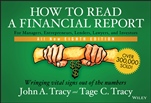
How to Read a Financial Report: Wringing Vital Signs Out of the Numbers
ISBN 9781118735848
Autor: John A. Tracy, Tage C. Tracy
Wydawca: Wiley
Dostępność: 3-6 tygodni
Cena: 140,70 zł
Przed złożeniem zamówienia prosimy o kontakt mailowy celem potwierdzenia ceny.
ISBN13: |
9781118735848 |
ISBN10: |
1118735846 |
Autor: |
John A. Tracy, Tage C. Tracy |
Oprawa: |
Paperback |
Rok Wydania: |
2014-04-08 |
Numer Wydania: |
8th Edition |
Ilość stron: |
240 |
Wymiary: |
249x173 |
Tematy: |
KF |
Whether you're a manager attempting to get a clear picture of your company's performance, an investor trying to determine if a business is a sound investment, or a lender who needs to measure an organization's creditworthiness, the information contained in a financial report is the most valuable source of information at your disposal. Now only if it was written in a language you could read! For more than thirty years, the number-one resource professionals have turned to for help in cutting through the haze of < accountantese and making sense of all those numbers has been How to Read a Financial Report . Like its predecessors, this eighth edition steers you painlessly through the basic accounting concepts and provides line-by-line explanations of a financial statement. It shows you how the three parts of a financial reportthe balance sheet, the income statement, and the cash flow statementfit together and the story they tell. And it provides up-to-date coverage of important tax reforms, depreciation methods, international standards, recent FASB rulings and more. How to Read a Financial Report is your plain-English guide to sorting out what all those numbers are really saying. Praise for How to Read a Financial Report "What distinguishes Tracy's efforts from other manuals is an innovative structure that visually ties together elements of the balance sheet and income statement by tracing where and how a line item in one affects an entry in another." Inc. "An excellent job of showing how to separate the wheat from the chaff without choking in the process." The Miami Herald "A wonderful book organized logically and written clearly. For a Fool to be an effective investor, she has to know her way around a financial statement. This book will help you develop that skill. It's the clearest presentation of many accounting concepts that this Fool has seen."Selena Maranjian, The Motley Fool
List of Exhibits ix Preface to the Eighth Edition xiii Part One—Fundamentals 1 Starting with Cash Flows 3 2 Three Financial Statements 11 3 Profit Accounting 23 4 Profit Isn’t Everything 33 Part Two—Connections 5 Sales Revenue and Accounts Receivable 43 6 Cost of Goods Sold Expense and Inventory 49 7 Inventory and Accounts Payable 55 8 Operating Expenses and Accounts Payable 61 9 Operating Expenses and Prepaid Expenses 67 10 Depreciation Expense and Property, Plant, and Equipment; Intangible Assets 73 11 Accruing the Liability for Unpaid Expenses 83 12 Income Tax Expense and Its Liability 89 13 Net Income and Retained Earnings; Earnings per Share (EPS) 95 Part Three—Cash Flow 14 Cash Flow from Operating (Profi t–Making) Activities 103 15 Cash Flows from Investing and Financing Activities 111 16 Growth and Decline Impacts on Cash Flow 119 Part Four—Analysis 17 Footnotes to Financial Statements 133 18 Financial Statement Ratios 143 19 Profit Analysis for Business Managers 157 Part Five—Truthfulness 20 Choosing Accounting Methods and Massaging the Numbers 171 21 Audits of Financial Reports 181 22 Basic Questions, Basic Answers 193 23 Small Business Financial Reporting 209 About the Authors 215 Index 217
JOHN A. TRACY is a successful financial accounting author. In addition to all eight editions of this book, he is the author of a number of books including the best-selling Accounting For Dummies . TAGE C. TRACY heads a consulting firm specializing in providing executive-level financial and accounting management resources on a project and/or interim basis. He has worked with companies in an array of industries ranging from web-based technology/solutions to manufacturing to retail to professional service organizations and finance. In addition, Tage has co-authored Cash Flow For Dummies and Small Business Financial Management Kit For Dummies with his father.
Koszyk
Książek w koszyku: 0 szt.
Wartość zakupów: 0,00 zł
Informacje


Kontakt
Gambit
Centrum Oprogramowania
i Szkoleń Sp. z o.o.
Al. Pokoju 29b/22-24
31-564 Kraków
Siedziba Księgarni
ul. Kordylewskiego 1
31-542 Kraków
+48 12 410 5991
+48 12 410 5987
+48 12 410 5989
Subskrypcje
Administratorem danych osobowych jest firma Gambit COiS Sp. z o.o. Na podany adres będzie wysyłany wyłącznie biuletyn informacyjny.
Autoryzacja płatności

Informacje na temat autoryzacji płatności poprzez PayU.

© Copyright 2012: GAMBIT COiS Sp. z o.o. Wszelkie prawa zastrzeżone.
Projekt i wykonanie: Alchemia Studio Reklamy