


Wydawcy
Katalog tematyczny
- Archeologia (109)
- Ekonomia, finanse, business (13704)
- Filozofia (1445)
- Historia (3040)
- Języki i językoznawstwo (2356)
- Lifestyle, hobby i rozrywka (475)
- Medycyna (9704)
- Nauki humanistyczne (4)
- Nauki o Ziemi i środowisku (2638)
- Nauki ścisłe (20412)
- Nauki społeczne (8486)
- Nauki techniczne (13450)
- Prawo (1696)
- Publikacje informacyjne i interdyscyplinarne (1288)
- Religia i wierzenia (917)
- Technika komputerowa (4067)
- Zdrowie, relacje międzyludzkie i rozwój osobisty (657)





Informacje szczegółowe o książce
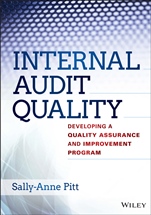
Internal Audit Quality: Developing a Quality Assurance and Improvement Program
ISBN 9781118715512
Autor: Sally–Anne Pitt
Wydawca: Wiley
Dostępność: 3-6 tygodni
Cena: 394,80 zł
Przed złożeniem zamówienia prosimy o kontakt mailowy celem potwierdzenia ceny.
ISBN13: |
9781118715512 |
ISBN10: |
1118715519 |
Autor: |
Sally–Anne Pitt |
Oprawa: |
Hardback |
Rok Wydania: |
2014-11-14 |
Ilość stron: |
400 |
Wymiary: |
254x178 |
Tematy: |
KF |
An international perspective on delivering outstanding value by embedding quality into internal audit practices Internal Audit Quality is an essential resource because organizations increasingly see the value that high-quality internal audit can offer. Organizations across sectors are beginning to recognize how crucial it is to have an excellent internal audit function. Demonstrating that professional standards are met and improving the value that internal audit delivers is now more important than ever. Internal Audit Quality comprehensively addresses the Institute of Internal Auditors' (IIA) International Standards for the Professional Practice of Internal Auditing . With all eyes on internal audit, you need to understand stakeholder expectations and communicate success measures that demonstrate quality. The goal of Internal Audit Quality is to assist chief audit executives and internal auditors with embedding quality into all elements of internal audit, from strategic and operational planning down to day-to-day tasks. It provides a framework for developing a Quality Assurance and Improvement Program (QAIP) that simplifies and strengthens the internal assessment process. You will learn how to design internal audit processes to best meet the needs of your organization and to embed performance assessment into daily activities. By creating a system of ongoing quality assurance, you will be able to apply maturity models, balanced scorecards, and other techniques to meet your organization's need for a high-quality internal audit function. Written by a global expert in audit quality, Internal Audit Quality contains resources for progressively enhancing the quality of internal audit: Techniques for understanding stakeholder expectations of quality and value Better practices and advice from global internal audit leaders Key performance indicators for measuring internal audit's success Processes for conforming with professional standards QAIP hints for embedding quality Quality questions for internal and external quality assessments Ensure that your internal audit processes are developed in line with the latest professional standards and best practices and that your function exceeds your organization's expectations for quality, performance, and value.
Preface Acknowledgments Part I: Internal Audit and Quality Chapter 1: The Various Faces of Internal Audit History Modern Internal Auditing Types of Internal Audit Internal Audit in Different Sectors and Organizations Internal Audit Standards Conclusion References Chapter 2: Quality, Performance, and Value Understanding Quality, Performance, and Value Quality Management Systems: Deming, Juran, and TQM Models for Measuring Performance Conclusion References Part II: Developing the Quality Assurance and Improvement Program Chapter 3: Developing a Quality Framework The Link between Quality, Performance, and Value Drivers of Quality A Structured Approach to Quality Developing Performance Metrics for Internal Audit Responsibility for Internal Audit Quality Creating a Quality Assurance and Improvement Program Reporting on Quality Questions about the Quality Framework Conclusion References Chapter 4: Internally Assessing Quality Ongoing Internal Monitoring Processes for Embedding Quality Periodic Internal Assessments: Health Checks Client Satisfaction Benchmarking the Internal Audit Activity Questions about Internal Assessments Conclusion References Chapter 5: Externally Assessing Quality What Is an External Assessment? Why Have an External Assessment? Types of Assessments Questions about Internal Assessments Conclusion References Part III: Internal Audit Governance Structures Chapter 6: Internal Audit Strategy and Planning Strategic Planning as a Key Input of the Internal Audit Activity Vision Internal Audit′s Value Proposition Planning to Deliver Value Assessing Risks Associated with the Internal Audit Activity Capability and Resource Planning Business Continuity Planning Questions about Internal Audit′s Strategy and Planning Processes Conclusion References Chapter 7: Areas of Responsibility and Nature of Work Types of Engagements Assurance Consulting Nature of Work Audit Support Activities Questions about Internal Audit′s Areas of Responsibility and Nature of Work Conclusion References Chapter 8: Internal Audit Charter Internal Audit Mandate and Purpose Strategic Context Structure and Position Independence Authority Internal Audit Charter Questions about the Quality of the Internal Audit Charter Conclusion References Part IV: Internal Audit Staffing Chapter 9: Internal Audit Staffing Overview of the Staffing Element Capability Planning for the Internal Audit Workforce Flexible Work Practices Recruitment and Retention Service Delivery Models Role of the Chief Audit Executive Quality Questions about Internal Audit Staffing Conclusion References Chapter 10: Managing and Measuring Staff Performance Professional Attributes Performance Management Processes Team Development Individual Professional Development Professional Membership and Involvement Questions about the Quality of Internal Audit Staff Development Processes Conclusion References Part V: Internal Audit Professional Practices Chapter 11: Internal Audit Professional Practice Elements of Internal Audit Professional Practice Stages in the Internal Audit Process Internal Audit Policies and Procedures Conclusion Chapter 12: Annual Audit Planning Value–Added Planning Applying an Objectives–based Approach to Audit Planning Applying a Risk–based Approach to Audit Planning Auditable Areas and the Audit Universe Assurance Mapping Resource Allocation Annual Audit Plan Formats Communication and Approval Conclusion References Chapter 13: Planning the Engagement Purpose of Engagement Planning Client Engagement Environmental Scanning Aligning Engagements to Key Risks Objectives, Criteria, and Scope Criteria Scope Methodology Resourcing and Milestones Assessing Risks to the Audit Engagement Approval of the Engagement Plan Conclusion References Chapter 14: Performing the Engagement Audit Evidence Interviews Analyzing Information Collected Engagement Findings Efficient Fieldwork Management and Supervision Working Papers Conclusion References Chapter 15: Communication and Influence Understanding Stakeholder Needs Communication versus Influence Engagement Communications Follow Up Conclusion References Chapter 16: Knowledge Management and Marketing Knowledge Management Marketing Conclusion References Chapter 17: Quality and the Small Audit Shop What is a Small Audit Shop? Delivering Value in a Small Audit Shop Quality Challenges for Small Audit Shops Related to Governance Structures Quality Challenges for Small Audit Shops Related to Staffing Quality Challenges for Small Audit Shops Related to Professional Practices Conclusion References Appendix A: International Standards for the Professional Practice of Internal Auditing Attribute Standards Performance Standards Appendix B: List of Quality Questions Quality Framework Internal Assessment External Assessment Strategy and Planning Areas of Responsibility Internal Audit Charter Resourcing Performance Management Professional Development Policy and Procedures Annual Planning Engagement Planning Engagement Performance Communication Knowledge Management Marketing Appendix C: List of Key Performance Indicators Quality Indicators Strategy and Planning Indicators Areas of Responsibility Indicators Internal Audit Charter Indicators Resourcing Indicators Professional Development Indicators Policy and Procedures Indicators Annual Planning Indicators Engagement Planning Indicators Engagement Performance Indicators Communication Indicators Knowledge Management Indicators Marketing Indicators Glossary About the Author Index
SALLY-ANNE PITT is recognized as a global expert in audit quality. She is the Managing Partner of Pitt Group, a consulting firm specializing in assurance and evaluation services, where her key audit clients include major Australian government departments. Between 2008 and 2012, Sally-Anne oversaw the external quality assessment program for the Institute of Internal AuditorsAustralia, and she helped author the IIA's 2012 Practice Guide: Quality Assurance and Improvement Program . Sally-Anne has undertaken in excess of 60 external quality assessments of Australian and global organizations from the public, financial, mining, telecommunications, and not-for-profit sectors.
Koszyk
Książek w koszyku: 0 szt.
Wartość zakupów: 0,00 zł
Informacje


Kontakt
Gambit
Centrum Oprogramowania
i Szkoleń Sp. z o.o.
Al. Pokoju 29b/22-24
31-564 Kraków
Siedziba Księgarni
ul. Kordylewskiego 1
31-542 Kraków
+48 12 410 5991
+48 12 410 5987
+48 12 410 5989
Subskrypcje
Administratorem danych osobowych jest firma Gambit COiS Sp. z o.o. Na podany adres będzie wysyłany wyłącznie biuletyn informacyjny.
Autoryzacja płatności

Informacje na temat autoryzacji płatności poprzez PayU.

© Copyright 2012: GAMBIT COiS Sp. z o.o. Wszelkie prawa zastrzeżone.
Projekt i wykonanie: Alchemia Studio Reklamy