


Wydawcy
Katalog tematyczny
- Archeologia (109)
- Ekonomia, finanse, business (13704)
- Filozofia (1445)
- Historia (3040)
- Języki i językoznawstwo (2356)
- Lifestyle, hobby i rozrywka (475)
- Medycyna (9704)
- Nauki humanistyczne (4)
- Nauki o Ziemi i środowisku (2638)
- Nauki ścisłe (20412)
- Nauki społeczne (8486)
- Edukacja (229)
- Kryminologia, opieka spełeczna (284)
- Obronność (10)
- Polityka (1389)
- Psychologia (777)
- Socjologia (410)
- Społeczeństwo i kultura (187)
- Nauki techniczne (13450)
- Prawo (1696)
- Publikacje informacyjne i interdyscyplinarne (1288)
- Religia i wierzenia (917)
- Technika komputerowa (4067)
- Zdrowie, relacje międzyludzkie i rozwój osobisty (657)





Informacje szczegółowe o książce
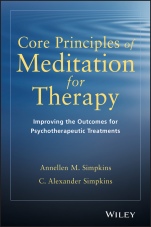
Core Principles of Meditation for Therapy: Improving the Outcomes for Psychotherapeutic Treatments
ISBN 9781118689592
Autor: Annellen M. Simpkins, C. Alexander Simpkins
Wydawca: Wiley
Dostępność: 3-6 tygodni
Cena: 260,40 zł
Przed złożeniem zamówienia prosimy o kontakt mailowy celem potwierdzenia ceny.
ISBN13: |
9781118689592 |
ISBN10: |
1118689593 |
Autor: |
Annellen M. Simpkins, C. Alexander Simpkins |
Oprawa: |
Paperback |
Rok Wydania: |
2016-08-19 |
Ilość stron: |
288 |
Wymiary: |
227x155 |
Tematy: |
JC |
A Multimedia Handbook for Clinicians Seeking A Deeper Understanding of Therapeutic Meditation
Core Principles of Meditation for Therapy provides clinicians with a powerful toolbox for guiding clients toward actualized change. Beginning with the theoretical underpinnings of therapeutic meditation, this book delves into the neuroscientific evidence to help therapists understand what to do as well as when, why, and how to use a particular technique. The open approach encourages creative individualization, and clear instructions explore the various ways meditation can be used to achieve clarity and break through seemingly intractable problems.
The three major areas of meditation yoga, mindfulness, and Zen/Taoist flow are detailed in practical terms, and audio and video content are synchronized with the text to facilitate seamless integration into therapeutic practice.
Core Principles of Meditation for Therapy explores:
The theoretical foundations of mediation and mindfulness in the context of mental health interventions The neuroscience that both links and distinguishes different forms of meditation, and the mind–body–attention connection The diverse applications of focus, open–focus, and no–focus meditation methods for depression, stress, anxiety, trauma, and moreMeditative practice puts people on a positive path, offering distinctive benefits and a well–trodden route to real, actualized change. This book provides a road map for clinicians seeking a flexible and varied meditative approach to healing.
Introduction xi
Part I: Theoretical Foundations 1
1 Return to Emptiness 3
Core Principle 1: Learn from What Is and What Is Not.
2 The Changing Self 15
Core Principle 2: Attune to the Natural Flow of Change.
Part II: Neuroscience 27
3 The Inner Thread: Effects of All Forms of Meditation 29
Core Principle 3: Meditation Has a Dual Effect: Calm Alertness
4 Variations: Different Forms of Meditation 39
Core Principle 4: There Are Different Forms of Meditation. Pick the Suitable One for Your Client.
Part III: Tools of Meditation 49
5 Attention 51
Core Principle 5: Train Attention to Enhance Meditation and Improve Therapy Outcomes.
6 Sensory Awareness 63
Core Principle 6: Attune Your Senses to Enhance Self–Awareness.
7 Body Movement and the Mind Body Link 77
Core Principle 7: The Mind and Body Are Linked. Meditative Movement of the Body Can Elicit a Meditative State of Mind.
Part IV: Meditation Instructions 109
8 Focus Meditations 111
Core Principle 8: Narrow Your Focus to Cultivate Stability, Regulation, Tranquility, and Self–Control.
9 Open–Focus Meditation: Mindfulness 119
Core Principle 9: Be Mindful in the Present Moment to Attune to Thoughts, Feelings, and Behaviors.
10 No–Focus Meditation: Emptiness and Letting Be 133
Core Principle 10: Clear Your Mind. Invite the Natural Free Flow of Potential to Emerge.
Part V: Applications 143
11 Cultivating Happiness through Compassion and Gratitude 145
Core Principle 11: Nurture Happiness by Practicing Compassion and Gratitude.
12 Integrating Meditation into Therapy 159
Core Principle 12: Integrate Meditation into Most Forms of Therapy as an Adjunct or Stand–alone Method.
13 Meditations for Stress 167
Core Principle 13: Meditation Alters the Physical, Emotional, and Cognitive Components of Stress. Practice It to Calm, Manage, and Relieve Stress.
14 Meditative Regulation of Emotions 173
Core Principle 14: The Paradox of Meditative Regulation Is That You Gain Control by Letting Go.
15 Meditations for Depression 181
Core Principle 15: Meditation Can Help to Activate a Depressed Nervous System, Transforming Negative Rumination into Broader Awareness and Deeper Compassion.
16 Meditations for Bipolar Disorder 191
Core Principle 16: Use Meditation along with Medication to Rebalance the Nervous System, Strengthen Emotional Regulation, and Improve Relationships in Clients with Bipolar Disorder.
17 Meditations for Anxiety 201
Core Principle 17: Counter the Negative Anticipation toward the Future Found in Anxiety Disorders. Center the Client in the Present Moment.
18 Meditations for Trauma 211
Core Principle 18: Train the Mind and Brain after Trauma to Elicit Calm, Build Resilience, and Rediscover Well–being.
19 Meditations for Substance Abuse 221
Core Principle 19: Rewire the Reward Pathway of the Brain to Go beyond Pleasure and Pain and Find Meaning in Life without Drugs.
20 Conclusions 229
Core Principle 20: Sculpt Your Own Life through Regular Meditation as You Discover that Enlightened Well–being Is Here and Now.
References 231
About the Authors 241
Author Index 243
Subject Index 247
C. Alexander Simpkins, PhD, and Annellen M. Simpkins, PhD, are psychologists specializing in meditation, hypnotherapy, and neuroscience. With more than four decades in practice, the Simpkins have helped patients of all ages achieve mind–brain change through meditative and hypnotic techniques, and have studied and performed research alongside some of the masters of the field. The authors of 28 books, many bestsellers, the Simpkins are popular speakers at professional conferences, mental health facilities, university campuses, and radio programs throughout the United States and Canada. Their Eastern philosophy influence lends warmth and clarity to their therapeutic effectiveness and commitment to continual improvement.
Koszyk
Książek w koszyku: 0 szt.
Wartość zakupów: 0,00 zł
Informacje


Kontakt
Gambit
Centrum Oprogramowania
i Szkoleń Sp. z o.o.
Al. Pokoju 29b/22-24
31-564 Kraków
Siedziba Księgarni
ul. Kordylewskiego 1
31-542 Kraków
+48 12 410 5991
+48 12 410 5987
+48 12 410 5989
Subskrypcje
Administratorem danych osobowych jest firma Gambit COiS Sp. z o.o. Na podany adres będzie wysyłany wyłącznie biuletyn informacyjny.
Autoryzacja płatności

Informacje na temat autoryzacji płatności poprzez PayU.

© Copyright 2012: GAMBIT COiS Sp. z o.o. Wszelkie prawa zastrzeżone.
Projekt i wykonanie: Alchemia Studio Reklamy