


Wydawcy
Katalog tematyczny
- Archeologia (109)
- Ekonomia, finanse, business (13704)
- Filozofia (1445)
- Historia (3040)
- Języki i językoznawstwo (2356)
- Lifestyle, hobby i rozrywka (475)
- Medycyna (9704)
- Nauki humanistyczne (4)
- Nauki o Ziemi i środowisku (2638)
- Nauki ścisłe (20412)
- Nauki społeczne (8486)
- Edukacja (229)
- Kryminologia, opieka spełeczna (284)
- Obronność (10)
- Polityka (1389)
- Psychologia (777)
- Socjologia (410)
- Społeczeństwo i kultura (187)
- Nauki techniczne (13450)
- Prawo (1696)
- Publikacje informacyjne i interdyscyplinarne (1288)
- Religia i wierzenia (917)
- Technika komputerowa (4067)
- Zdrowie, relacje międzyludzkie i rozwój osobisty (657)








Informacje szczegółowe o książce
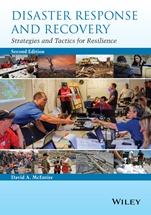
Disaster Response and Recovery: Strategies and Tactics for Resilience
ISBN 9781118673027
Autor: David A. McEntire
Wydawca: Wiley
Dostępność: 3-6 tygodni
Cena: 341,25 zł
Przed złożeniem zamówienia prosimy o kontakt mailowy celem potwierdzenia ceny.
ISBN13: |
9781118673027 |
ISBN10: |
1118673026 |
Autor: |
David A. McEntire |
Oprawa: |
Paperback |
Rok Wydania: |
2015-01-09 |
Numer Wydania: |
2nd Edition |
Ilość stron: |
560 |
Wymiary: |
257x180 |
Tematy: |
JBV |
P rovides an overview of the various types of disasters that may occur, the myriad of actors that are involved in emergency management, and the diverse theoretical frameworks from which post–disaster activities may be approached The second edition of Disaster Response and Recovery updates the popular previous edition of this book keeping the material fresh and accessible and incorporates recent changes in policy and new research. The book examines typical challenges to be expected during response efforts along with tools and techniques to enhance the ability to protect lives, reduce property damage and minimize disruption through multi–organizational preparedness, coordination and improvisation. Written by a leading expert in the field, Disaster Response and Recovery , Second Edition features: Updated chapters keeping the material fresh and accessible while incorporating recent changes in policy and new research Typical challenges to be expected during response efforts along with tools and techniques to enhance the ability to protect lives, reduce property damage and minimize disruption Evaluation and assessment tools such as: Summary Questions, Review Questions, Applying this Chapter, You try questions, and Pre–Post–Post–test An instructor package which contains: Sample Syllabus, Teaching Suggestions, Test bank, and PowerPoints Disaster Response and Recovery also includes strategies to facilitate the revitalization of affected communities while also incorporating vital mitigation measures to reduce future vulnerability. It highlights recent lessons learned from such incidents and catastrophes as: Hurricane Katrina, Earthquake in Haiti, Parking lot collapse in Miami, West Texas industrial explosion, Train wreck in Spain, Aurora movie shooting, Times Square bombing, etc.
1. Knowing What to Expect: Hazards, Vulnerability and Disasters 1.1 The Occurrence of Disasters 1.2 Types of Hazards 1.3 Technological Hazards 1.4 Civil/Conflict Hazards 1.5 The Complexity and Impact of Disasters 2. Understanding the Actors: Roles and Responsibilities of Disaster Participants 2.1 The Public Sector 2.2 The Private Sector 2.3 The Non–Profit Sector 2.4 Citizen and Emergent Groups 2.5 Working with Different Groups and the Whole Community 3. Human Behavior in Disaster: Myths, Exaggerations and Realities 3.1 The Impact of Hollywood and the Media 3.2 Research on Myths 3.3 Evidence of Exaggeration 3.4 Realities about Response and Recovery 3.5 The Important of Understanding Behavior Correctly 4. Management Approaches: Disaster Response and Recovery Theory 4.1 The Traditional Model 4.2 The Professional Model 4.3 Comparison of the Models 5. Initial Response Measures: Hazard Detection, Warning, Evacuation and Sheltering 5.1 Hazard Detection 5.2 Issuing Warnings 5.3 Evacuation 5.4 Sheltering 6. Caring for the Injured, Dead and Distraught: Meeting Victim and Responder Needs 6.1 Search and Rescue Operations 6.2 Emergency Medical Care and Triage 6.3 Mass Fatality Management 6.4 Stress Management 7. Managing Public Relations, Donations and Volunteers: Expected Difficulties and Benefits 7.1 The Media and Disasters 7.2 Dealing with Donations 7.3 Volunteer Management 8. Moving Beyond Immediate Measures: Damage Assessment, Disaster Declarations and Debris Removal 8.1 Assessing Damages 8.2 Challenges in Damage Assessment 8.3 Damage Assessment Procedures 8.4 Disaster Declarations 8.5 Debris Produced by Disasters 8.6 Dealing with Debris Effectively 8.7 Regulations and Other Considerations 9. Facilitating Recovery and Mitigation: Promoting Change after Disaster 9.1 Disaster Impacts and Disaster Assistance 9.2 Types of Individual Assistance 9.3 Obtaining Individual Assistance 9.4 Categories of Public Assistance 9.5 Obtaining Public Assistance 9.6 Important Issues for Recovery 9.7 The Potential for Disagreement 9.8 Pressing for Change 10. Challenges to Overcome: Vital Considerations for Response and Recovery 10.1 Communications and Coordination 10.2 Decision Making 10.3 Transportation Issues and Logistics 10.4 Special Populations 10.5 Politics 10.6 Record Keeping Problems 11. Tools for Effective Operations: Harnessing Technology and Organization 11.1 The Importance of Technology 11.2 Communications Equipment and Interoperability 11.3 Decision Support Systems 11.4 Geographic Information Systems (GIS) 11.5 Managing Disasters at the Local Level 11.6 Managing Disasters at the State Level 11.7 Managing Disasters on a Federal Level 12. Foreseeing the Future: New Threats and Rising Vulnerability 12.1 Disasters on the Rise 12.2 Understanding Natural Disasters 12.3 Understanding Technological Disasters 12.4 Understanding Acts of Violence 12.5 Understanding Terrorism 12.6 Insufficiently Recognized Hazards 12.7 Increased Vulnerability 13. Promoting Disaster Resilience: Preparedness, Spontaneous Planning, Improvisation, Leadership and Professionalization 13.1 Preparing Your Community 13.2 Acquiring Financial Resources 13.3 Establishing an Emergency Operations Center (EOC) 13.4 Hazard and Vulnerability Assessment 13.5 Writing an Emergency Operations Plan (EOP) 13.6 First Responder and Organizational Training 13.7 Disaster Exercises 13.8 Public Education 13.9 Spontaneous Planning, Improvisation, Creativity and Flexibility 13.10 Leadership and Professionalism
David McEntire is a Professor in the Emergency Administration and Planning Program (EADP) in the Department of Public Administration at the University of North Texas. He teaches emergency management courses in both the undergraduate and graduate programs. Dr. McEntire has written extensively on emergency management and has been recognized by peers as the recipient of the Blanchard Award for Academic Excellence in Emergency Management Higher Education.
Koszyk
Książek w koszyku: 0 szt.
Wartość zakupów: 0,00 zł
Informacje


Kontakt
Gambit
Centrum Oprogramowania
i Szkoleń Sp. z o.o.
Al. Pokoju 29b/22-24
31-564 Kraków
Siedziba Księgarni
ul. Kordylewskiego 1
31-542 Kraków
+48 12 410 5991
+48 12 410 5987
+48 12 410 5989
Subskrypcje
Administratorem danych osobowych jest firma Gambit COiS Sp. z o.o. Na podany adres będzie wysyłany wyłącznie biuletyn informacyjny.
Autoryzacja płatności

Informacje na temat autoryzacji płatności poprzez PayU.

© Copyright 2012: GAMBIT COiS Sp. z o.o. Wszelkie prawa zastrzeżone.
Projekt i wykonanie: Alchemia Studio Reklamy