


Wydawcy
Katalog tematyczny
- Archeologia (109)
- Ekonomia, finanse, business (13704)
- Filozofia (1445)
- Historia (3040)
- Języki i językoznawstwo (2356)
- Lifestyle, hobby i rozrywka (475)
- Medycyna (9704)
- Chirurgia (272)
- Inne gałęzie medycyny (1871)
- Medycyna kliniczna (4187)
- Medycyna niekonwencjonalna (14)
- Medycyna przedkliniczna (269)
- Medycyna, ogólnie (1740)
- Historia medycyny (3)
- Lekarze, sprawy zawodowe (8)
- Medycyna, aspekty prawne (10)
- Służba zdrowia (36)
- Wyposażenie medyczne (157)
- Zdrowie publiczne (460)
- Medyczne służby pomocnicze (745)
- Studia medyczne (16)
- Weterynaria (548)
- Nauki humanistyczne (4)
- Nauki o Ziemi i środowisku (2638)
- Nauki ścisłe (20412)
- Nauki społeczne (8486)
- Nauki techniczne (13450)
- Prawo (1696)
- Publikacje informacyjne i interdyscyplinarne (1288)
- Religia i wierzenia (917)
- Technika komputerowa (4067)
- Zdrowie, relacje międzyludzkie i rozwój osobisty (657)





Informacje szczegółowe o książce
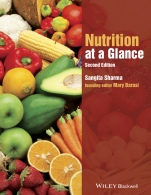
Nutrition at a Glance
ISBN 9781118661017
Autor: Sangita Sharma, Tony Sheehy, Fariba Kolahdooz, Mary Barasi
Wydawca: Wiley
Dostępność: 3-6 tygodni
Cena: 192,15 zł
Przed złożeniem zamówienia prosimy o kontakt mailowy celem potwierdzenia ceny.
ISBN13: |
9781118661017 |
ISBN10: |
111866101X |
Autor: |
Sangita Sharma, Tony Sheehy, Fariba Kolahdooz, Mary Barasi |
Oprawa: |
Paperback |
Rok Wydania: |
2015-11-06 |
Numer Wydania: |
2nd Edition |
Ilość stron: |
192 |
Wymiary: |
272x214 |
Tematy: |
MB |
Nutrition at a Glance introduces key nutrition facts, such as the role of key nutrients in maintaining health, and addresses the concepts of nutrient metabolism, nutritional intake and what makes an adequate diet. It covers food safety, allergy and intolerance, GM foods, diet–related diseases and nutrigenomics.
Nutrition at a Glance:
Is superbly illustrated, with full colour illustrations throughout Includes nutrition hot topics such as gene–nutrient interactions and dietary supplements Has strong international appeal, with different dietary requirements provided for many countries Is a reference text suitable for post–docs and junior scientists, including those working in public health and dieteticsPart I. Nutrients including energy, carbohydrates, fat, proteins, vitamins, minerals, and alcohol
Chapter 1: Introduction to the nutrients
Chapter 2: The relationship between diet, health, and disease
Chapter 3: Energy intake: food sources
Chapter 4: Energy: control of food intake
Chapter 5: Energy: measurement of requirements
Chapter 6: Energy requirements: components of energy expenditure
Chapter 7: Carbohydrates: simple and complex carbohydrates
Chapter 8: Carbohydrates: digestion and utilization in the body
Chapter 9: Fats: types of fatty acids
Chapter 10: Fats: compound lipids (triglycerides, phospholipids, cholesterol, phytosterols)
Chapter 11: Fats: digestion and utilisation in the body
Chapter 12: Proteins: chemistry and digestion
Chapter 13: Proteins: functions and utilisation in the body
Chapter 14: Proteins: needs, sources, protein quality, and complementation
Chapter 15: Dietary supplements
Chapter 16: Micronutrients: fat–soluble vitamins
Chapter 17: Micronutrients: water–soluble vitamins
Chapter 18: Micronutrients: major minerals
Chapter 19: Micronutrients: trace elements
Chapter 20: Micronutrients: role in metabolism
Chapter 21: Micronutrients and circulatory system I
Chapter 22: Micronutrients and circulatory system II
Chapter 23: Micronutrients: protective and defence roles I
Chapter 24: Micronutrients: protective and defence roles II
Chapter 25: Micronutrients: structural role in bone I
Chapter 26: Micronutrients: structural role in bone II
Chapter 27: Alcohol
Chapter 28: Fetal alcohol spectrum disorder
Chapter 29: Fluids in the diet
Part II. Nutritional epidemiology including assessments, consequences, and food choices
Chapter 30: Introduction to nutrition epidemiology: study designs I
Chapter 31: Introduction to nutrition epidemiology: study designs II
Chapter 32: Research ethics
Chapter 33: Nutritional assessment methods: anthropometric assessment
Chapter 34: Nutritional assessment methods: dietary assessment I
Chapter 35: Nutritional assessment methods: dietary assessment II
Chapter 36: Inadequate nutritional intakes: causes
Chapter 37: Inadequate nutritional intakes: consequences
Chapter 38: Definitions of an adequate diet
Chapter 39: Creating an adequate diet
Chapter 40: Optimising nutrition
Chapter 41: Excessive or unbalanced nutritional intakes
Chapter 42: Food choice: individual, social, and cultural factors
Chapter 43: Food choice: the food environment
Chapter 44: Nutrition in ethnic minority groups and potential impact of religion on diet
Part III. Nutrition throughout the lifecycle
Chapter 45: Nutrition in pregnancy and lactation
Chapter 46: Nutrition in infants, toddlers, and preschool children
Chapter 47: Nutrition in school–age children and adolescents
Chapter 48: Nutritional challenges in infants, children, and adolescents
Chapter 49: Nutrition and early origins of adult disease
Chapter 50: Nutrition in older adults
Part IV. The role of nutrition in key organs/systems
Chapter 51: Nutrition and the gastrointestinal tract I
Chapter 52: Nutrition and the gastrointestinal tract II
Chapter 53: Nutrition and the brain I
Chapter 54: Nutrition and the brain II
Chapter 55: Nutrition and the eye
Part V. Nutrition–related diseases
Chapter 56: Overweight and obesity: aetiological factors
Chapter 57: Overweight and obesity: consequences for health and chronic disease I
Chapter 58: Overweight and obesity: insulin resistance and metabolic syndrome II
Chapter 59: Overweight and obesity: prevention and management
Chapter 60: Overweight and obesity: popular slimming diets
Chapter 61: Underweight and negative energy balance
Chapter 62: Nutrition and cancer I
Chapter 63: Nutrition and cancer II
Chapter 64: Diet and cardiovascular disease: aetiology
Chapter 65: Diet and cardiovascular disease: prevention
Chapter 66: Adverse reactions to food and inborn errors of metabolism
Part VI. Public health and sports nutrition
Chapter 67: Nutritional genomics
Chapter 68: Nutrition transition
Chapter 69: Promoting nutritional health: a public health perspective I
Chapter 70: Promoting nutritional health: a public health perspective II
Chapter 71: Promoting nutritional health: the role of the dietitian
Chapter 72: Nutrition and sport I
Chapter 73: Nutrition and sport II
Part VII. Foods, phytochemicals including functional and genetically modified foods
Chapter 74: Functional foods
Chapter 75: Phytochemicals
Chapter 76: Genetically modified foods
Chapter 77: Food safety
Appendix A 1: Structures of the fat–soluble vitamins A, D, E and K
Appendix A 2: Structures of the water–soluble vitamins; thiamine, riboflavin, niacin, vitamin B6, biotin, pantothenic acid, folic acid, vitamin B12 and vitamin C
Appendix A 3: Structures of the major classes of phytochemicals
Appendix B 1: Global dietary guidelines and Dietary Reference Intakes (DRIs) – Available on Companion Website: www.ataglanceseries.com/nutrition
Sangita Sharma is Centennial Professor, Endowed Chair in Aboriginal Health, and Professor of Aboriginal & Global Health Research within the Department of Medicine, University of Alberta, Canada
Fariba Kolahdooz is Nutritional Epidemiologist and Senior Research Associate within the Aboriginal and Global Health Research Group at University of Alberta, Canada
Tony Sheehy is Lecturer within the School of Food & Nutritional Sciences, University College Cork, Ireland
Koszyk
Książek w koszyku: 0 szt.
Wartość zakupów: 0,00 zł
Informacje


Kontakt
Gambit
Centrum Oprogramowania
i Szkoleń Sp. z o.o.
Al. Pokoju 29b/22-24
31-564 Kraków
Siedziba Księgarni
ul. Kordylewskiego 1
31-542 Kraków
+48 12 410 5991
+48 12 410 5987
+48 12 410 5989
Subskrypcje
Administratorem danych osobowych jest firma Gambit COiS Sp. z o.o. Na podany adres będzie wysyłany wyłącznie biuletyn informacyjny.
Autoryzacja płatności

Informacje na temat autoryzacji płatności poprzez PayU.

© Copyright 2012: GAMBIT COiS Sp. z o.o. Wszelkie prawa zastrzeżone.
Projekt i wykonanie: Alchemia Studio Reklamy