


Wydawcy
Katalog tematyczny
- Archeologia (109)
- Ekonomia, finanse, business (13704)
- Filozofia (1445)
- Historia (3040)
- Języki i językoznawstwo (2356)
- Lifestyle, hobby i rozrywka (475)
- Medycyna (9704)
- Nauki humanistyczne (4)
- Nauki o Ziemi i środowisku (2638)
- Nauki ścisłe (20412)
- Astronomia (294)
- Biologia (5119)
- Chemia (6540)
- Chemia analityczna (361)
- Chemia fizyczna (346)
- Chemia nieorganiczna (137)
- Chemia organiczna (535)
- Krystalografia (27)
- Minerologia (46)
- Fizyka (3309)
- Matematyka (4574)
- Nauki ścisłe, ogólnie (503)
- Nauki społeczne (8486)
- Nauki techniczne (13450)
- Prawo (1696)
- Publikacje informacyjne i interdyscyplinarne (1288)
- Religia i wierzenia (917)
- Technika komputerowa (4067)
- Zdrowie, relacje międzyludzkie i rozwój osobisty (657)





Informacje szczegółowe o książce
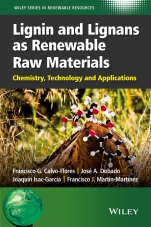
Lignin and Lignans as Renewable Raw Materials: Chemistry, Technology and Applications
ISBN 9781118597866
Autor: Francisco G. Calvo–Flores, José A. Dobado, Joaquín Isac–García, Francisco J. Martín–Martí
Wydawca: Wiley
Dostępność: 3-6 tygodni
Cena: 718,20 zł
Przed złożeniem zamówienia prosimy o kontakt mailowy celem potwierdzenia ceny.
ISBN13: |
9781118597866 |
ISBN10: |
1118597869 |
Autor: |
Francisco G. Calvo–Flores, José A. Dobado, Joaquín Isac–García, Francisco J. Martín–Martí |
Oprawa: |
Hardback |
Rok Wydania: |
2015-09-25 |
Ilość stron: |
506 |
Wymiary: |
249x171 |
Tematy: |
PN |
As naturally occurring and abundant sources of non–fossil carbon, lignin and lignans offer exciting possibilities as a source of commercially valuable products, moving away from petrochemical–based feedstocks in favour of renewable raw materials. Lignin can be used directly in fields such as agriculture, livestock, soil rehabilitation, bioremediation and the polymer industry, or it can be chemically modified for the fabrication of specialty and high–value chemicals such as resins, adhesives, fuels and greases.
Lignin and Lignans as Renewable Raw Materials presents a multidisciplinary overview of the state–of–the–art and future prospects of lignin and lignans. The book discusses the origin, structure, function and applications of both types of compounds, describing the main resources and values of these products as carbon raw materials.
This book is a comprehensive resource for researchers, scientists and engineers in academia and industry working on new possibilities for the application of renewable raw materials.
For more information on the Wiley Series in Renewable Resources, visit www.wiley.com/go/rrs
Topics covered include:
Structure and physicochemical properties
Lignin detection methods
Biosynthesis of lignin
Isolation methods
Characterization and modification of lignins
Applications of modified and unmodified lignins
Lignans: structure, chemical and biological properties
Future perspectives
Series Preface
Preface xiii
Acronyms xvii
List of Symbols xxi
Part One Introduction 1
1 Background and overview 3
1.1 Introduction 3
1.2 Lignin: economical aspects and sustainability 4
1.3 Structure of the book 5
References 8
Part Two What is lignin? 9
2 Structure and physicochemical properties 11
2.1 Introduction 11
2.2 Monolignols, the basis of a complex architecture 12
2.3 Chemical classification of lignins 15
2.4 Lignin linkages 19
2.5 Structural models of native lignin 22
2.6 Lignin–carbohydrate complex 37
2.7 Physical and chemical properties of lignins 44
References 48
3 Detection and determination 53
3.1 Introduction 53
3.2 The detection of lignin (colour–forming reactions) 53
3.3 Determination of lignin 59
3.4 Direct methods for the determination of lignin 61
3.5 Indirect methods for the determination of lignin 65
3.6 Comparison of the different determination methods 72
References 75
4 Biosynthesis of lignin 81
4.1 Introduction 81
4.2 The biological function of lignins 82
4.3 The shikimic acid pathway 82
4.4 The phenylpropanoid pathway 85
4.5 The biosynthesis of lignin precursors (the monolignol specific pathway) 86
4.6 The dehydrogenation of the precursors 92
4.7 Peroxidases and laccases 92
4.8 The radical polymerisation 95
4.9 The lignin–cabohydrate connectivity 109
4.10 Location of lignins (cell walls lignification) 111
4.11 Lignins from hybrids 112
4.12 Differences between Angiosperm and Gymnosperm lignins 115
References 119
Part Three Sources and Characterization of Lignin 127
5 Isolation of lignins 129
5.1 Introduction 129
5.2 Methods for lignin isolation from wood and grass for laboratory purposes 130
5.3 Commercial lignins 143
References 154
6 Functional and spectroscopic characterization of lignins 161
6.1 Introduction 161
6.2 Elemental analysis and empirical formula 161
6.3 Determination of molecular weight 163
6.4 Functional group analyses 167
6.5 Frequencies of functional groups and linkage types in lignins 176
6.6 Characterization by spectroscopic methods 182
6.7 Raman spectroscopy 186
References 195
7 Chemical characterization and modification of lignins 207
7.1 Introduction 207
7.2 Characterization by chemical degradation methods 207
7.3 Other chemical transformations of lignins 238
7.4 Other chemical modifications of lignins 247
7.5 Thermolysis (pyrolysis) 249
7.6 Biochemical transformations of lignins 250
References 252
Part Four Lignins Applications 267
8 Applications of modified and unmodified lignins 269
8.1 Introduction 269
8.2 Lignin as fuel 272
8.3 Lignin as a binder 273
8.4 Lignin as chelant agent 275
8.5 Lignin in biosciences and medicine 276
8.6 Lignin in agriculture 278
8.7 Polymers with unmodified lignin 279
8.8 Other applications of unmodified lignins 288
8.9 New polymeric materials derived from modified lignins and related biomass derivatives 294
8.10 Polymers derived from chemicals obtainable from lignin decomposition 304
8.11 Other applications of modified lignins 305
References 308
9 High–value chemical products 313
9.1 Introduction 313
9.2 Gasification: syngas from lignin 315
9.3 Thermolysis of lignin 316
9.4 Hydrodeoxygenation (hydrogenolysis) 317
9.5 Hydrothermal hydrolysis 319
9.6 Chemical depolymerisation 321
9.7 Oxidative transformation of lignin 324
9.8 High–value chemicals from lignin 328
References 335
Part Five Lignans 339
10 Structure and chemical properties of lignans 341
10.1 Introduction 341
10.2 Structure and classification of lignans 341
10.3 Nomenclature of lignans 346
10.4 Lignan occurrence in plants 349
10.5 Methods of isolation of lignans from plants 354
10.6 Structure determination of lignans 356
10.7 The chemical synthesis of lignans 357
References 387
11 Biological properties of lignans 401
11.1 Introduction 401
11.2 Biosynthesis of lignans 402
11.3 Metabolism of lignans 413
11.4 Plant physiology and plant defence 418
11.5 Podophyllotoxin 422
11.6 Biological activity of different lignan structures 435
References 466
Part Six Outcome and Challenges 491
12 Summary, conclusions, and perspectives on lignin chemistry 493
12.1 Sources of lignin 493
12.2 On the structure of lignin 494
12.3 Biosynthesis and biological function 495
12.4 Applications of lignin 495
12.5 Lignans 497
12.6 Perspectives 498
References 499
General index 500
Author index 501
Koszyk
Książek w koszyku: 0 szt.
Wartość zakupów: 0,00 zł
Informacje


Kontakt
Gambit
Centrum Oprogramowania
i Szkoleń Sp. z o.o.
Al. Pokoju 29b/22-24
31-564 Kraków
Siedziba Księgarni
ul. Kordylewskiego 1
31-542 Kraków
+48 12 410 5991
+48 12 410 5987
+48 12 410 5989
Subskrypcje
Administratorem danych osobowych jest firma Gambit COiS Sp. z o.o. Na podany adres będzie wysyłany wyłącznie biuletyn informacyjny.
Autoryzacja płatności

Informacje na temat autoryzacji płatności poprzez PayU.

© Copyright 2012: GAMBIT COiS Sp. z o.o. Wszelkie prawa zastrzeżone.
Projekt i wykonanie: Alchemia Studio Reklamy