


Wydawcy
Katalog tematyczny
- Archeologia (109)
- Ekonomia, finanse, business (13704)
- Filozofia (1445)
- Historia (3040)
- Języki i językoznawstwo (2356)
- Lifestyle, hobby i rozrywka (475)
- Medycyna (9704)
- Nauki humanistyczne (4)
- Nauki o Ziemi i środowisku (2638)
- Nauki ścisłe (20412)
- Nauki społeczne (8486)
- Nauki techniczne (13450)
- Prawo (1696)
- Publikacje informacyjne i interdyscyplinarne (1288)
- Religia i wierzenia (917)
- Technika komputerowa (4067)
- Zdrowie, relacje międzyludzkie i rozwój osobisty (657)





Informacje szczegółowe o książce
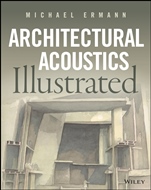
Architectural Acoustics Illustrated
ISBN 9781118568491
Autor: Michael Ermann
Wydawca: Wiley
Dostępność: 3-6 tygodni
Cena: 422,10 zł
Przed złożeniem zamówienia prosimy o kontakt mailowy celem potwierdzenia ceny.
ISBN13: |
9781118568491 |
ISBN10: |
1118568494 |
Autor: |
Michael Ermann |
Oprawa: |
Hardback |
Rok Wydania: |
2015-02-27 |
Ilość stron: |
272 |
Wymiary: |
275x225 |
Tematy: |
AM |
APPLY THE PRINCIPLES OF DESIGN TO THE SCIENCE OF SOUND
RECIPIENT OF THE VIRGINIA SOCIETY AMERICAN INSTITUTE OF ARCHITECTS 2014 PRIZE FOR SCHOLARSHIP AND DESIGN RESEARCH
Architectural Acoustics Illustrated translates the quantitative and qualitative content of acoustics into the graphic language of architecture. Important to performance space design as well as surface material selection, room shaping and sizing, building placement and orientation, building skin and barrier composition, space planning, and architectural detailing building acoustics begins at the earliest stages of schematic design and continues through construction administration. Better building acoustics makes better buildings and architectural acoustics needn′t be a mystery.
This highly visual guide includes over 350 illustrations that outline the physics of sound and the established methods of mitigating unwanted noise in buildings. With authoritative guidance on the latest materials and techniques, topics include a summary checklist of acoustic design guidelines. The Companion website offers video animations that help readers to:
Understand the fundamental behaviors and movements of sound, including sound level, propagation, and frequencySelect building surfaces with sound absorption (or reflection) in mindDesign to make music fuller and speech clearerReduce unwanted noise from both within the room and from outside the roomMaster the calculations that direct acoustic design solutionsAll design professionals should have a clear understanding of how sound and space interact, and Architectural Acoustics Illustrated is a comprehensive, practical guide designed for the visual learner.
Acknowledgments xi
Introduction xiii
1. Basic Theory 1
Sound Level 2
Sound Level 2
Source Path Receiver 4
Measuring Sound Level 5
Measuring Sound Level 8
Multiple Sound Sources 9
Decibel Addition 10
Sound Propagation 11
Sound Propagation 11
Directivity 12
Sound Frequency 13
Frequency 13
Octave Bands 17
Sound Level Perception and Frequency 19
A ]Weighted Decibels 20
The Special Case of Low ]Frequency Sound 22
2. Sound Absorption 25
Principles of Absorptive and Reflective Surfaces 26
Absorption Coefficient 27
Types of Sound Absorbers 29
Room Constant 33
Room Average Absorption 33
Noise Reduction Coefficient (NRC) 36
Sound Absorption Data 38
3. Room Acoustics 57
Room Acoustics Qualities 58
Impulse Response 58
Reverberance 60
Optimal Reverberation Time 65
Clarity 66
Variable Acoustics 70
Reverberation Time Calculation Checklist 74
Room Shaping for Speech and Music 75
Loudness 76
Balconies 80
Sightlines 82
Warmth 83
Concert Hall Types 85
Spatial Impression 87
Intimacy 94
Diffusion 95
Theater Planning 97
Stage Acoustics 97
Orchestra Pits 101
What Makes a Good Room for Music? 102
Performance Venue Seats 106
Acoustic Defects 109
Acoustic Defects 109
Performance Venues 114
Room Acoustics History 114
Performance Venues to Visit 117
Design Checklists 118
Rooms for Unamplified Music Performance Checklist 118
Other Types of Rooms Checklist 119
Sound System Design 123
Electronic Sound Reinforcement 123
4. Noise Control 131
Sound Isolation Principles 132
Apartment Layout Graphic Quiz 132
Flanking 133
Flanking Graphic Checklist 134
Flanking Noise Checklist 134
Measures of Airborne Sound Isolation 140
Transmission Loss (TL) 140
Sound Transmission Class (STC) 142
How to Measure Sound Transmission Class (STC) 144
Target STC Ratings 146
Noise Reduction (NR) 147
Achieving Higher Acoustical Privacy 148
Background Noise 152
Background Noise 152
Noise Criteria (NC) 153
Speech Intelligibility and Noise 155
Open ]Plan Office Acoustics 157
Sound Transmission Loss Data 162
Noise Reduction Example Problem 175
Air ]Structure ]Air Flanking 178
Acoustic Privacy Checklist 179
Apartment Layout Quiz Answer 180
Door and Window Sound Isolation 182
Doors 182
Noise Isolation and Windows 184
Impact Noise 185
Impact Noise Isolation 185
How to Measure IIC 190
Impact Noise Checklist 192
Recommended Floor ]Ceiling Assemblies 195
Resiliently Mounted Room Surfaces 197
Community Noise 202
Principles of Community Noise 202
Building ]in ]Building Design 202
Noise Sources 204
Community Noise Research 207
Community Noise Example Problem 208
Outdoor Barriers 209
Outdoor Barriers Checklist 210
Outdoor Barrier Example Problem 212
Wind Turbine Noise 214
Community Noise Checklist 215
Mechanical System Noise 217
Principles of Mechanical System Noise 217
Ducted Fan Noise 220
Mechanical Room Graphic Checklist 224
Ducted Air Turbulence Noise 225
Vibration Isolation 229
Mechanical Noise Checklist 232
Plumbing Noise 237
Isolating Pipes from Structure 238
Plumbing Noise Checklist 239
index 243
MICHAEL ERMANN is an associate professor at Virginia Tech′s School of Architecture + Design, and a past undergraduate architecture program co–chairman. He teaches architectural acoustics, design studio, and environmental building systems. Prior to joining the VT faculty, Professor Ermann was an acoustical consultant at Artec in New York, NY and Siebein Associates in Gainesville, FL.
Koszyk
Książek w koszyku: 0 szt.
Wartość zakupów: 0,00 zł
Informacje


Kontakt
Gambit
Centrum Oprogramowania
i Szkoleń Sp. z o.o.
Al. Pokoju 29b/22-24
31-564 Kraków
Siedziba Księgarni
ul. Kordylewskiego 1
31-542 Kraków
+48 12 410 5991
+48 12 410 5987
+48 12 410 5989
Subskrypcje
Administratorem danych osobowych jest firma Gambit COiS Sp. z o.o. Na podany adres będzie wysyłany wyłącznie biuletyn informacyjny.
Autoryzacja płatności

Informacje na temat autoryzacji płatności poprzez PayU.

© Copyright 2012: GAMBIT COiS Sp. z o.o. Wszelkie prawa zastrzeżone.
Projekt i wykonanie: Alchemia Studio Reklamy